

Principle and Working Scene Characteristics of Fish Meal Pneumatic Conveying
HeadPowder, a leading provider in the field of material handling solutions, specializes in the design and implementation of advanced pneumatic conveying systems for various industrial applications. This article delves into the fundamental principles of fish meal pneumatic conveying and highlights the key characteristics of working environments where such systems are typically employed.
Understanding the Core Principles of Fish Meal Pneumatic Conveying
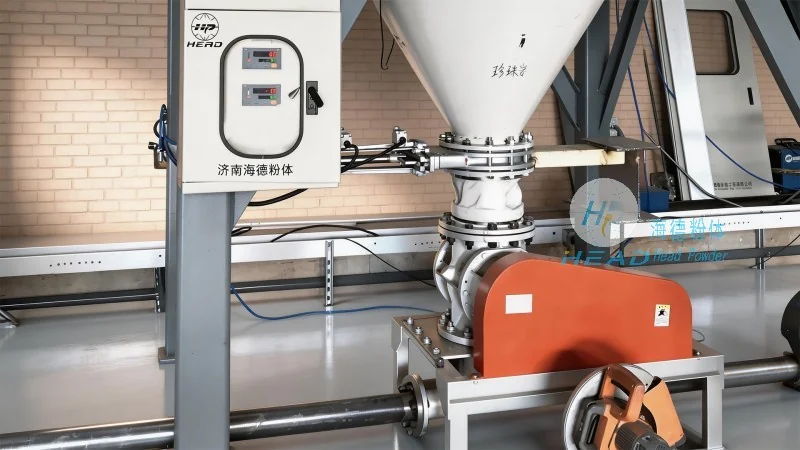
Fish meal, a nutrient-rich byproduct of fish processing, is often handled in bulk quantities across the food processing and animal feed industries. Traditional methods of transporting fish meal, such as manual handling or mechanical conveyors, can be inefficient, costly, and pose health and safety risks. Pneumatic conveying offers a more efficient and hygienic alternative by utilizing air pressure to transport the material through a closed system. The basic principle involves creating a flow of air within a pipeline, which then carries the fish meal particles along the path of least resistance. This method not only minimizes contamination but also reduces the need for manual labor, making it ideal for high-volume operations.
Key Working Scene Characteristics of Fish Meal Pneumatic Conveying Systems
The effectiveness of fish meal pneumatic conveying systems is heavily influenced by the specific working environment in which they are deployed. Several key characteristics define these systems and their operational parameters:
1. Material Properties and Flowability
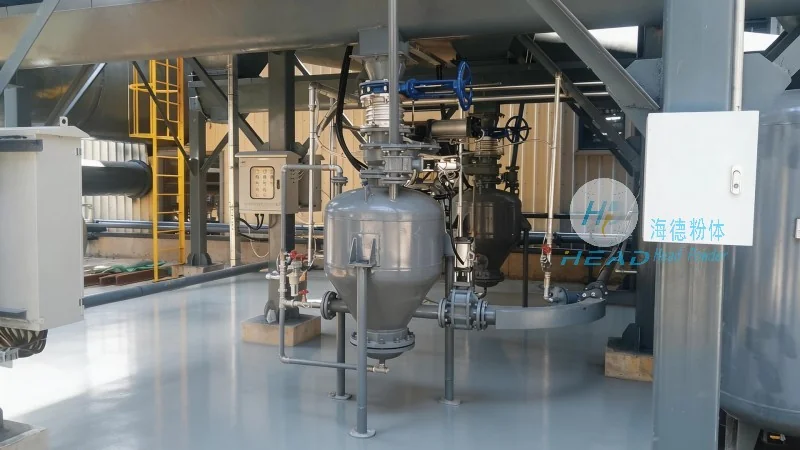
The physical properties of fish meal, including its particle size, moisture content, and bulk density, directly impact the design and performance of the conveying system. For instance, fish meal with higher moisture content may require additional drying steps or specialized air filtration to prevent clogging and ensure consistent flow. The flowability of the material, often measured by its angle of repose and bulk density, determines the required air velocity and pressure to maintain a stable conveying process. Systems are typically designed to handle materials with varying characteristics, ensuring flexibility in different production settings.
2. System Design and Configuration
The configuration of a pneumatic conveying system for fish meal involves several critical components, including the feed hopper, air compressor, pipeline network, and discharge unit. The feed hopper is responsible for feeding the fish meal into the system, while the air compressor generates the necessary pressure to move the material. The pipeline network, made of materials resistant to corrosion and wear, ensures the material is transported efficiently without degradation. The discharge unit, such as a rotary valve or a dust collector, controls the release of the fish meal at the destination point. The design of these components must be tailored to the specific requirements of the fish meal processing facility, considering factors like production capacity, distance of transport, and the need for dust control.
3. Operational Efficiency and Maintenance
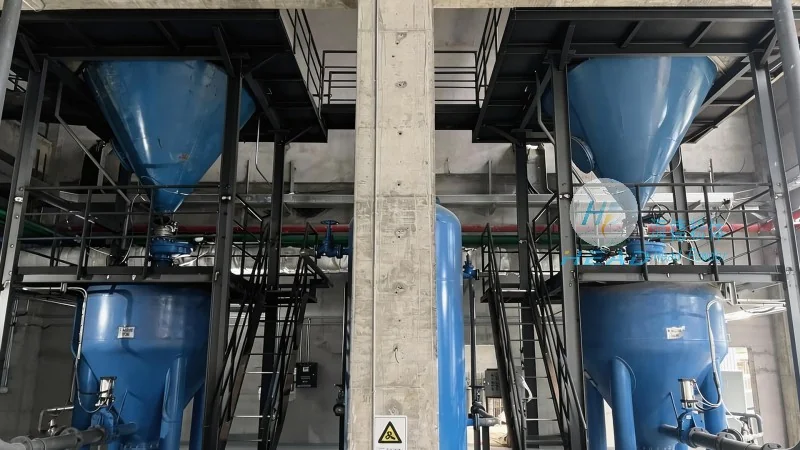
Efficiency in fish meal pneumatic conveying systems is a critical factor for industrial operations. The system's ability to maintain consistent flow rates, minimize energy consumption, and reduce downtime is essential for cost-effectiveness. Regular maintenance, including cleaning of pipelines, checking air compressor performance, and inspecting filter systems, is crucial to prevent system failures and ensure long-term reliability. Advanced systems may incorporate monitoring and control technologies to optimize performance, automatically adjusting air pressure and flow rates based on real-time conditions. This proactive approach to maintenance helps in extending the lifespan of the equipment and maintaining product quality.
4. Environmental and Safety Considerations
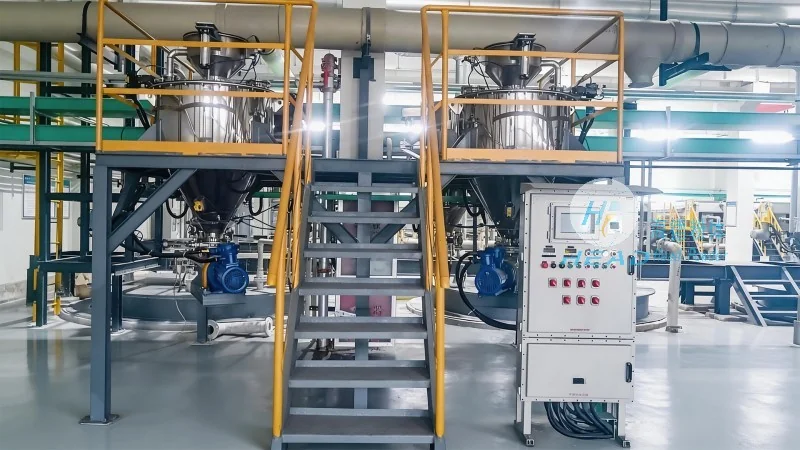
Working environments for fish meal pneumatic conveying systems must adhere to strict environmental and safety standards. The system's design includes features to minimize dust emissions and prevent air pollution, which is vital for compliance with environmental regulations. Dust collectors and filtration systems are integrated to capture and remove airborne particles, ensuring a clean and safe working area. Additionally, the system is engineered to prevent material spillage and cross-contamination, which is particularly important in food processing facilities where hygiene is paramount. Safety features, such as emergency shut-off valves and pressure relief systems, are incorporated to protect operators and prevent accidents during operation.
Conclusion
Fish meal pneumatic conveying systems, as presented by Shandong HeadPowder Engineering Co., Ltd., represent a sophisticated solution for the efficient and safe handling of fish meal in industrial settings. By understanding the core principles and working scene characteristics, businesses can leverage these systems to enhance operational efficiency, reduce costs, and maintain high standards of product quality and safety. The expertise and experience of HeadPowder in designing and implementing such systems make them a trusted partner for companies seeking to optimize their material handling processes.