With more than 10‑year industry experience, Shandong Headpowder delivers full‑service pneumatic‑conveying systems and blowers, undertaking nationwide turn‑key powder‑handling projects.
Gas-pneumatic conveying systems are essential for the efficient handling and transport of dust and fine powders in industrial applications. Proper design and implementation are critical to ensure optimal performance, reliability, and safety. This article outlines key considerations for the design of dust collection gas-pneumatic conveying systems, emphasizing practical aspects that can enhance system efficiency and longevity.
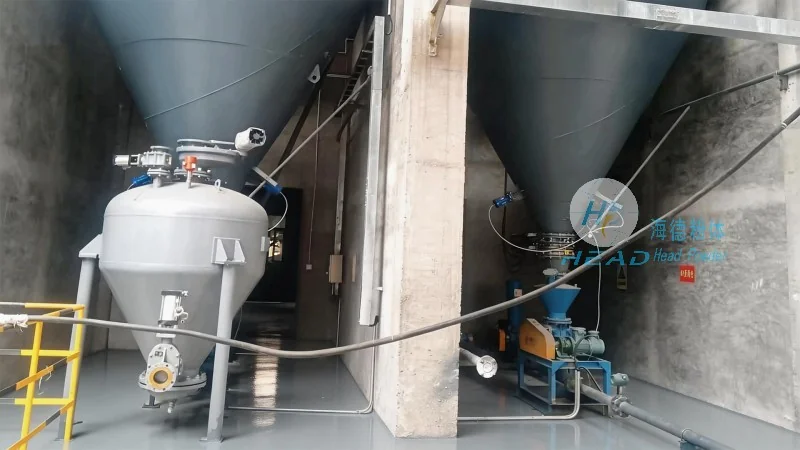
When designing a dust collection gas-pneumatic conveying system, several factors must be carefully evaluated to meet operational requirements and maintain system integrity. The selection of appropriate components, material compatibility, and system layout are foundational to successful implementation. For instance, the type of dust being handled—whether it is abrasive, corrosive, or has specific moisture content—directly influences the choice of conveyor materials and components. Materials such as stainless steel, aluminum, or specialized coatings may be required to prevent wear and degradation over time.
The core components of a dust collection gas-pneumatic conveying system include the dust collector, conveying line, air compressor, and control valves. Each component plays a vital role in the overall functionality of the system. The dust collector, typically a baghouse or cartridge filter, is responsible for capturing and separating dust from the air stream. This captured dust is then conveyed through the system using compressed air. The conveying line, often made of flexible or rigid tubing, must be designed to withstand the pressure and flow rates of the air and dust mixture. Air compressors provide the necessary pressure to move the material, while control valves regulate the flow and pressure within the system, ensuring smooth operation and preventing backflow or pressure surges.
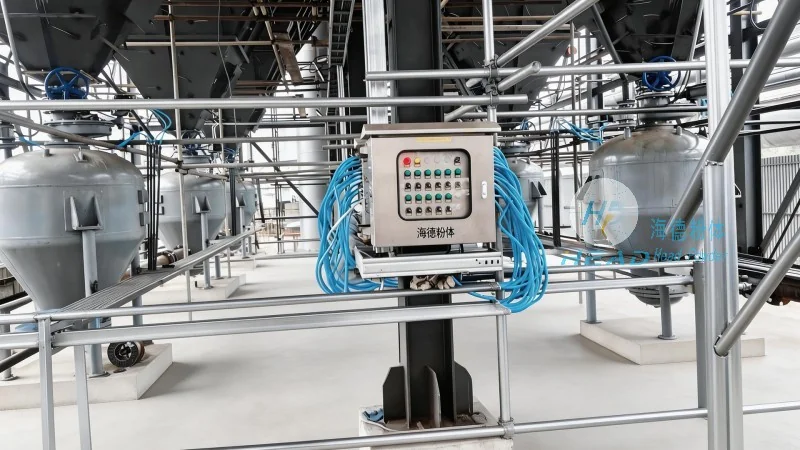
Material selection is a critical design consideration, as it directly impacts the system's durability and performance. The dust being handled may be abrasive, which can cause wear on metal components. In such cases, high-strength alloys or wear-resistant coatings are recommended to extend the lifespan of the system. Additionally, if the dust is corrosive, materials like stainless steel or corrosion-resistant polymers should be used to prevent degradation. The air compressor and other pneumatic components must also be compatible with the dust's properties, ensuring that no adverse reactions occur during operation. Proper material selection not only enhances system longevity but also reduces maintenance costs and downtime.
The layout of the dust collection gas-pneumatic conveying system significantly affects its efficiency and performance. A well-designed layout minimizes pressure losses and ensures consistent material flow. Key considerations include the placement of the dust collector, the length and diameter of the conveying line, and the positioning of the air compressor and control valves. The conveying line should be as short and direct as possible to reduce energy consumption and pressure drop. Additionally, the use of bends and fittings should be minimized, as they can cause turbulence and increase wear on the system. Proper flow optimization ensures that the system operates at its designed capacity, reducing the risk of clogging or material buildup.
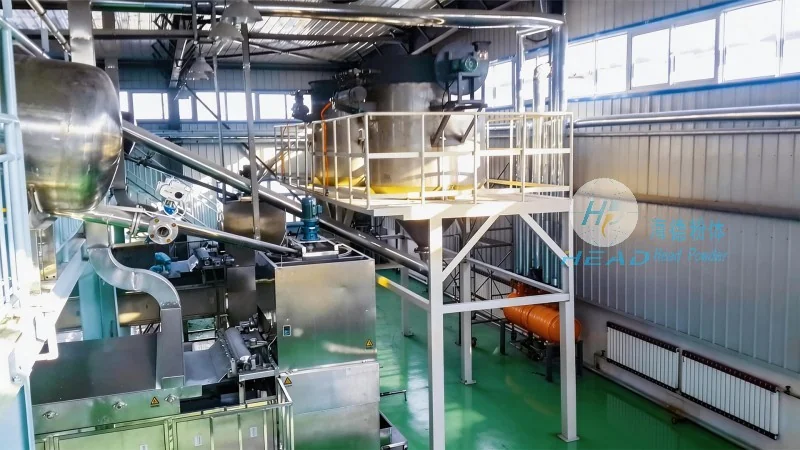
Modern dust collection gas-pneumatic conveying systems often incorporate advanced control and monitoring features to enhance operational efficiency and safety. These systems may include pressure sensors, flow meters, and automated control valves that adjust the system's operation based on real-time conditions. For example, pressure sensors can detect changes in system pressure, triggering adjustments to the air compressor or control valves to maintain optimal flow. Flow meters help monitor the material's transport rate, ensuring that the system is operating within its capacity. Additionally, monitoring systems can detect potential issues such as clogs or pressure surges, allowing for timely maintenance and preventing system failures. These features not only improve system performance but also enhance safety by reducing the risk of accidents or equipment damage.
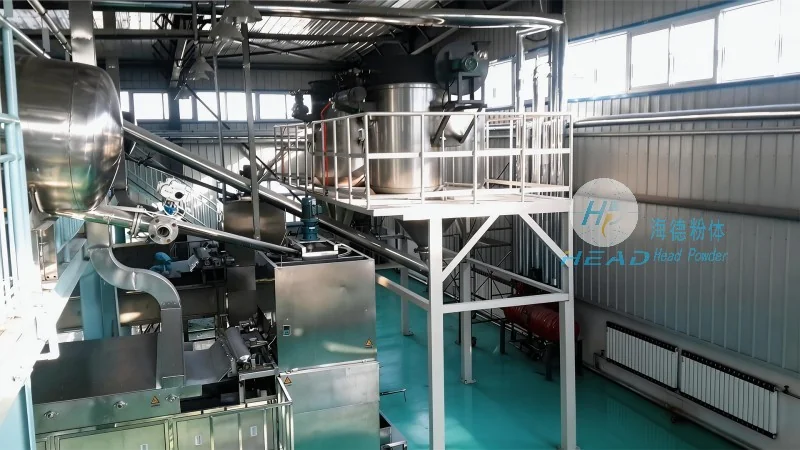
Shandong HeadPowder Engineering Co., Ltd. (headpowder) is a leading provider of dust collection and gas-pneumatic conveying solutions. With years of experience in the industry, headpowder specializes in designing and manufacturing customized systems tailored to the specific needs of clients. The company's team of engineers and technicians work closely with clients to understand their operational requirements and provide solutions that meet their unique challenges. HeadPowder's systems are designed with attention to detail, incorporating the latest technologies and best practices to ensure optimal performance and reliability. The company's commitment to quality and customer satisfaction has made it a trusted partner for businesses in various industries, including manufacturing, pharmaceuticals, and food processing.
Designing a dust collection gas-pneumatic conveying system requires careful consideration of various factors, including material properties, system components, layout, and control systems. By addressing these factors and working with experienced professionals, businesses can ensure that their system operates efficiently and reliably. Shandong HeadPowder Engineering Co., Ltd. offers comprehensive solutions and expertise to help clients achieve their operational goals. Whether it's a new system installation or an upgrade to an existing system, headpowder provides the support and technology needed to enhance dust collection and material handling processes.

 Shandong Headpowder Engineering Co., Ltd.
 156-6277-7102(Manager Zhang)
  0531-83386006
  Zhangqiu District, Jinan City, Shandong Province, China
telephone
WeChatconsult
top