With more than 10‑year industry experience, Shandong Headpowder delivers full‑service pneumatic‑conveying systems and blowers, undertaking nationwide turn‑key powder‑handling projects.
For industrial applications, the efficient and reliable transport of polyethylene materials is crucial. Various conveying methods are employed to handle polyethylene, each suited to different operational requirements and material characteristics. This article explores the primary methods used for polyethylene conveying, highlighting their applications and benefits. The information is provided by Shandong HeadPowder Engineering Co., Ltd., a leading manufacturer of material handling solutions based in China, with headquarters in Shandong, China.
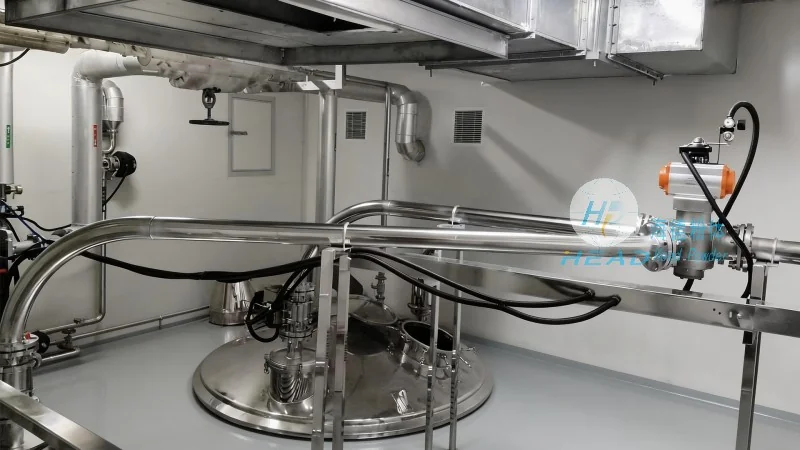
Pneumatic conveying systems utilize air or other gases to transport polyethylene particles or pellets. These systems are particularly effective for handling fine powders or small pellets, as they can move materials over long distances with minimal loss. The process involves creating a pressure differential to draw or push the polyethylene through a pipeline. Pneumatic conveyors are often used in food processing, pharmaceuticals, and chemical industries where hygiene and contamination control are paramount. They offer advantages such as enclosed transport, which prevents dust and contamination, and the ability to handle a wide range of particle sizes. However, they may require higher energy input and careful maintenance to ensure consistent performance.
Belt conveyors are one of the most common and versatile methods for transporting polyethylene. These systems consist of a continuous loop of belt, typically made from durable materials like rubber or synthetic fabrics, that moves over rollers or pulleys. The belt is driven by a motor, and the polyethylene is placed on the belt surface, which then transports it to the desired location. Belt conveyors are widely used in manufacturing plants, warehouses, and mining operations due to their ability to handle large volumes of material and their adaptability to various environments. They are particularly suitable for transporting bulk polyethylene, such as pellets or granules, and can be customized with features like inclines or declines to suit specific layout requirements. The design of the belt and the type of idlers used can impact the efficiency and longevity of the conveyor system.
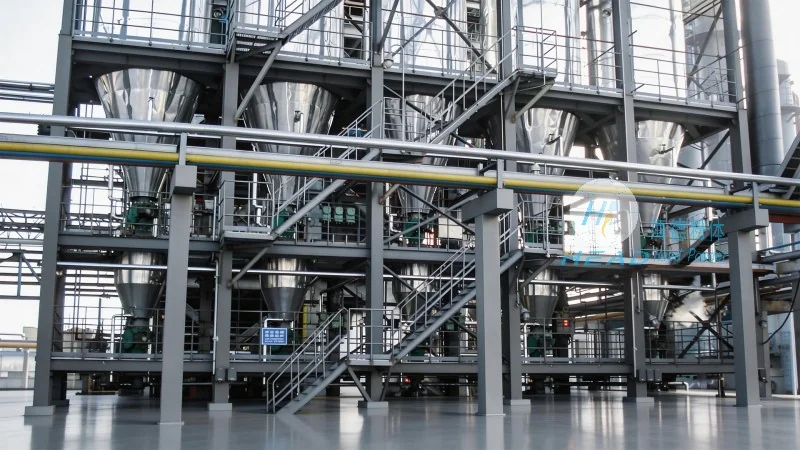
Screw conveyors, also known as auger conveyors, use a rotating screw or helical blade to move polyethylene materials. The screw is enclosed in a tube or trough, and as it rotates, it pushes the polyethylene forward. This method is ideal for transporting bulk materials, including polyethylene pellets or granules, in a controlled manner. Screw conveyors are commonly used in industries like agriculture, food processing, and chemical manufacturing, where the material needs to be moved vertically or horizontally. They offer advantages such as simplicity, low maintenance, and the ability to handle a wide range of materials, including those with varying moisture content. However, they may not be suitable for very fine powders, as the screw can cause excessive friction and degradation. Proper selection of the screw pitch and speed is essential to ensure efficient and damage-free transport.
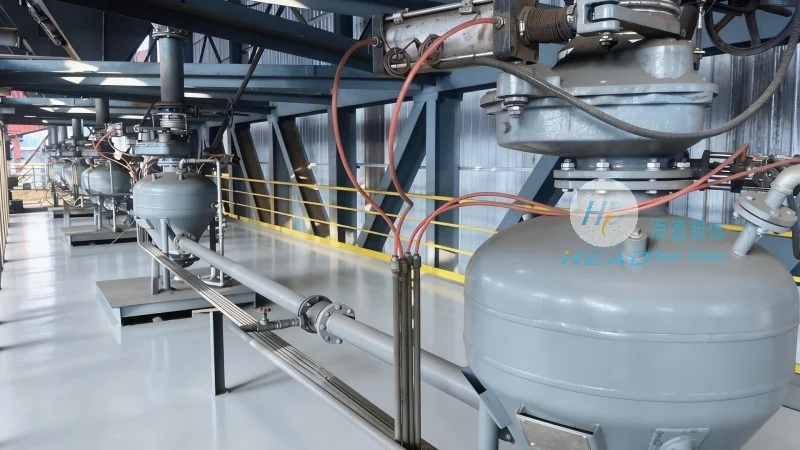
Bucket elevators are a type of vertical conveyor system designed to transport polyethylene materials vertically over significant heights. These systems consist of a continuous chain with attached buckets that move along a vertical or inclined track. The buckets are filled with polyethylene at the bottom and then lifted to the top, where the material is discharged. Bucket elevators are commonly used in industries like mining, cement production, and food processing, where vertical transport of bulk materials is required. They offer high capacity and the ability to transport materials over long vertical distances without the need for multiple levels. However, they require careful alignment and maintenance to prevent bucket wear and chain failure. The design of the buckets and the speed of the conveyor can impact the efficiency and safety of the system.
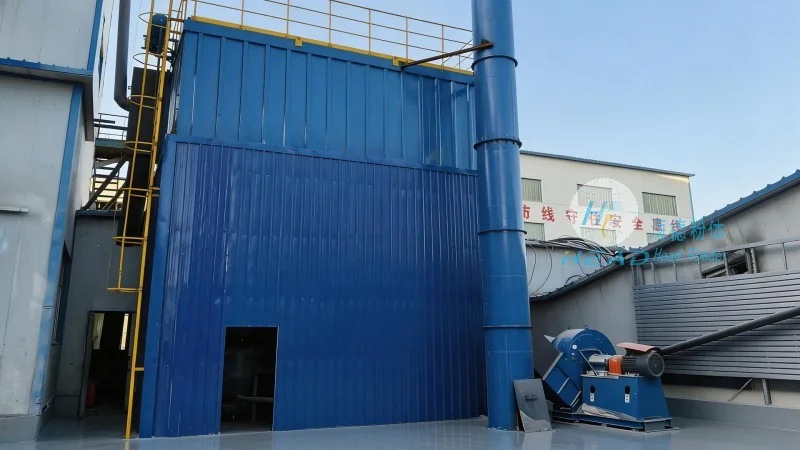
Roller conveyors use a series of rollers to transport polyethylene items, such as bags or containers. These systems are commonly used in warehouses and distribution centers for moving finished products or packaged polyethylene. The rollers are typically made from metal or plastic and are arranged in a line or curve to guide the material along the path. Roller conveyors are ideal for transporting items with flat or irregular surfaces, as the rollers provide smooth and consistent movement. They can be customized with features like inclines or declines to suit specific layout requirements. The spacing and diameter of the rollers can affect the speed and efficiency of the conveyor system. Roller conveyors are often used in combination with other equipment, such as sorters or dividers, to create an automated material handling system.
Choosing the appropriate conveying method for polyethylene depends on several factors, including the material's characteristics, the required transport distance, and the operational environment. Pneumatic systems are suitable for fine powders and enclosed transport, while belt and screw conveyors are ideal for bulk materials. Bucket elevators are effective for vertical transport, and roller conveyors are perfect for packaged items. By understanding the advantages and limitations of each method, industries can select the most efficient and reliable conveying system for their polyethylene handling needs. The choice of system should also consider factors like cost, maintenance requirements, and safety regulations to ensure long-term operational success. For more information on polyethylene conveying solutions, contact Shandong HeadPowder Engineering Co., Ltd., a trusted provider of industrial material handling equipment.

 Shandong Headpowder Engineering Co., Ltd.
 156-6277-7102(Manager Zhang)
  0531-83386006
  Zhangqiu District, Jinan City, Shandong Province, China
telephone
WeChatconsult
top