With more than 10‑year industry experience, Shandong Headpowder delivers full‑service pneumatic‑conveying systems and blowers, undertaking nationwide turn‑key powder‑handling projects.
High-calcium pneumatic conveying is a specialized method of material handling that involves transporting powders or granules through a pipeline using air or other gas as the conveying medium. This technology is particularly relevant for materials with high calcium content, such as certain types of limestone, gypsum, or other calcium-based minerals. The process relies on the principle of creating a pressure differential to move the material from a source to a destination, making it an efficient alternative to traditional mechanical conveying systems.
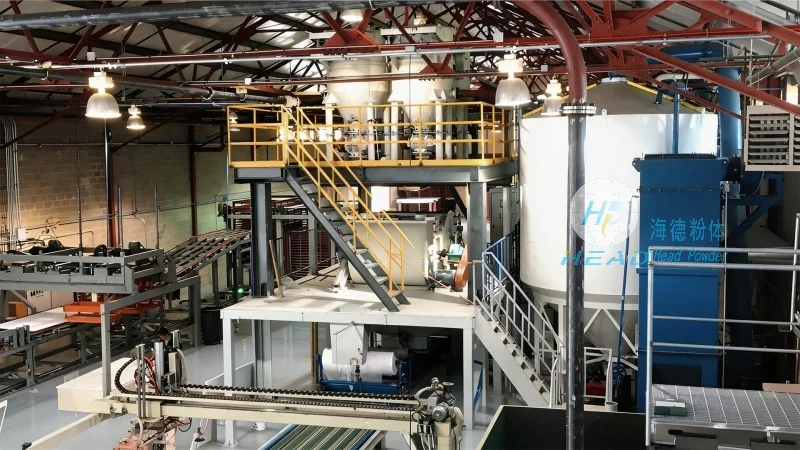
Pneumatic conveying systems can be broadly classified into two main categories: pressure and vacuum systems. Pressure systems operate by introducing compressed air or gas into the material to be conveyed, creating a positive pressure that forces the material through the pipeline. Vacuum systems, on the other hand, use a vacuum pump to create a negative pressure that draws the material into the pipeline. Within these categories, there are further subtypes based on the specific application and material characteristics.
For high-calcium materials, the choice of conveying system depends on factors such as particle size, moisture content, and the distance to be covered. Dense phase conveying is often preferred for high-calcium powders as it minimizes particle degradation and reduces wear on the system components. This method involves operating the system at a pressure where the material is in a semi-solid state, which helps maintain the integrity of the calcium-based particles. Another common type is dilute phase conveying, which is suitable for shorter distances and less abrasive materials. Dilute phase systems operate at higher velocities, using air to transport the material in a dispersed state.
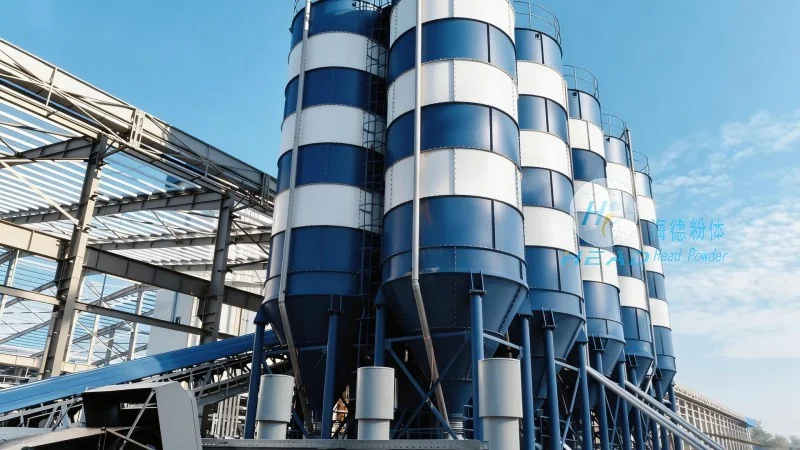
High-calcium pneumatic conveying is widely used in various industrial applications, particularly in the manufacturing of cement, lime, and other calcium-based products. In cement production, for example, high-calcium limestone is conveyed from storage silos to the grinding mills where it is processed into clinker. The efficiency of pneumatic conveying in this context is crucial for maintaining consistent material flow and reducing downtime. Similarly, in the production of gypsum board, high-calcium gypsum is transported from the calcination process to the board manufacturing lines. The ability to handle high volumes of material with minimal maintenance makes pneumatic conveying an attractive option for these industries.
Compared to traditional mechanical conveying methods, high-calcium pneumatic conveying offers several advantages. One of the key benefits is the ability to handle materials with high moisture content or abrasive properties without causing significant wear or degradation. This is particularly important for calcium-based materials, which can be prone to clumping or particle breakage under mechanical stress. Additionally, pneumatic systems are more flexible in terms of layout, as they can be easily reconfigured to accommodate changes in production processes or facility expansions. The reduced need for physical contact with the material also minimizes contamination risks, which is critical in food and pharmaceutical applications where calcium-based ingredients are used.
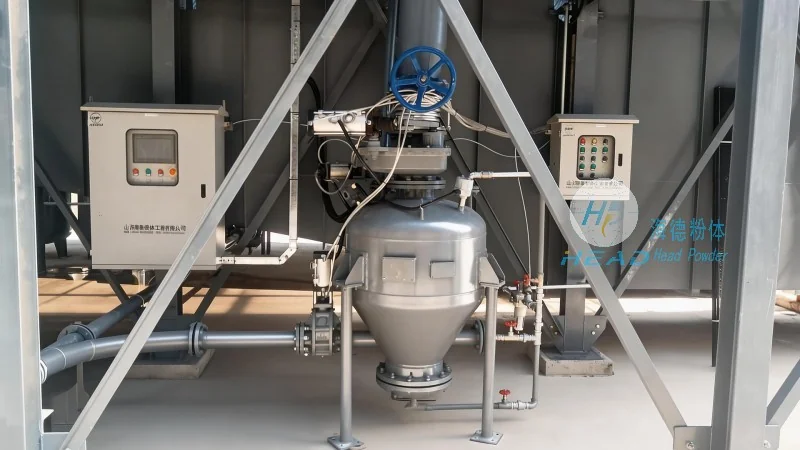
Despite its advantages, high-calcium pneumatic conveying also presents certain challenges. One of the main issues is the potential for material buildup in the pipeline, especially with high-calcium powders that have a tendency to stick to the walls. This can lead to blockages and reduced system efficiency. Proper design of the pipeline, including the use of appropriate bends and elbows, is essential to mitigate this problem. Another consideration is the energy consumption of the system, as pneumatic conveying requires significant power to generate the necessary pressure or vacuum. However, advancements in system design, such as the use of energy-efficient blowers and optimized pipeline layouts, have helped to reduce operational costs over time.
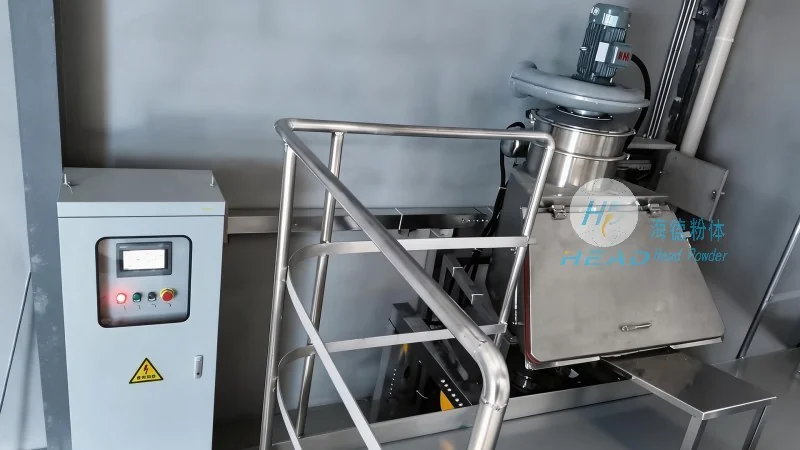
Shandong HeadPowder Engineering Co., Ltd., a leading provider of material handling solutions, specializes in the design and implementation of high-calcium pneumatic conveying systems. With years of experience in the industry, HeadPowder has developed a deep understanding of the unique challenges associated with handling high-calcium materials. The company's engineers work closely with clients to assess their specific material characteristics and operational requirements, ensuring that the selected system is optimized for performance and reliability. HeadPowder's solutions are tailored to meet the needs of various industries, including cement, lime, and chemical manufacturing, providing clients with efficient and cost-effective material handling solutions.
High-calcium pneumatic conveying is a vital technology in modern industrial material handling, offering efficient and flexible solutions for transporting calcium-based materials. By understanding the classification and applications of pneumatic conveying systems, industries can select the most appropriate method for their specific needs. With the expertise of companies like Shandong HeadPowder Engineering Co., Ltd., the implementation of high-calcium pneumatic conveying systems has become more accessible and effective, contributing to improved productivity and operational efficiency in various sectors.

 Shandong Headpowder Engineering Co., Ltd.
 156-6277-7102(Manager Zhang)
  0531-83386006
  Zhangqiu District, Jinan City, Shandong Province, China
telephone
WeChatconsult
top