With more than 10‑year industry experience, Shandong Headpowder delivers full‑service pneumatic‑conveying systems and blowers, undertaking nationwide turn‑key powder‑handling projects.
This document outlines a comprehensive solution for the pneumatic conveying of monosodium glutamate (MSG), a critical food additive widely used in the food processing industry. The system is designed to ensure efficient, safe, and reliable transport of MSG from storage to processing units, addressing the unique challenges associated with handling this hygroscopic and potentially abrasive material.
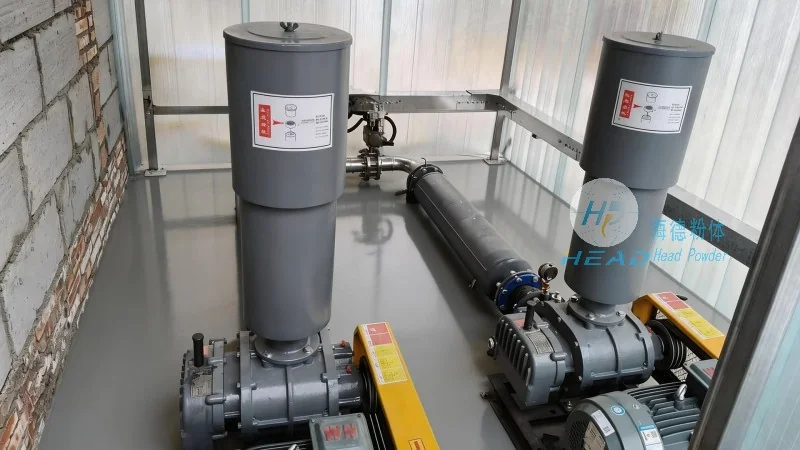
HeadPowder, operating under the corporate name Shandong HeadPowder Engineering Co., Ltd., is a specialized engineering firm based in Shandong, China. With a focus on industrial process solutions, the company has developed expertise in designing and implementing pneumatic conveying systems tailored to the needs of the food and chemical industries. Our team of engineers and technicians brings extensive experience in material handling, process optimization, and compliance with industry standards, ensuring that each project meets both functional and regulatory requirements.
The monosodium glutamate pneumatic conveying system incorporates several key components to achieve optimal performance. The design prioritizes material integrity, energy efficiency, and operational safety. A primary component is the material feed hopper, which is equipped with a rotary valve to control the flow of MSG into the conveying line. This hopper is typically constructed from stainless steel to prevent corrosion and maintain hygiene standards essential for food-grade applications.
Conveying lines are constructed from high-quality, food-grade materials such as stainless steel or specialized plastic composites, ensuring that the MSG remains uncontaminated during transport. The system utilizes positive pressure or negative pressure (or a combination of both) depending on the specific application requirements. Positive pressure systems are often preferred for long-distance or high-capacity conveying, as they provide consistent material flow and minimize the risk of blockages. The selection of the appropriate pressure type is determined by factors such as the distance between the source and destination, the volume of material to be transported, and the physical properties of the MSG, including its moisture content and particle size.
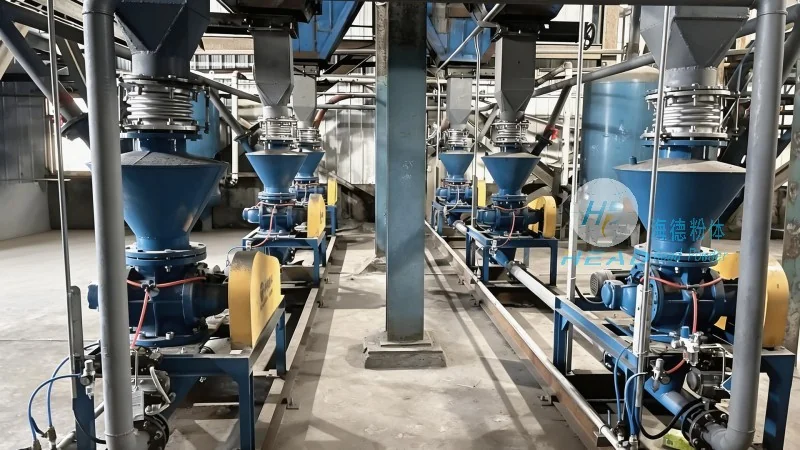
For efficient and reliable operation, the system includes a series of filters and cyclones to separate any entrained air or fine particles from the conveyed material. These components are crucial for maintaining the purity of the MSG and preventing system blockages. The filters are typically equipped with automatic cleaning mechanisms to ensure continuous operation without interruption. Additionally, the system incorporates pressure sensors and flow meters to monitor performance in real-time, allowing for immediate adjustments if deviations are detected.
Implementing a pneumatic conveying system for monosodium glutamate offers several significant advantages over traditional methods such as belt conveyors or bucket elevators. One of the primary benefits is the reduction in material handling time and labor costs. Pneumatic systems can transport large volumes of material over long distances with minimal human intervention, streamlining the production process and increasing overall efficiency.
Another key advantage is the improved safety and hygiene. Unlike mechanical systems that may involve direct contact with the material, pneumatic conveying minimizes the risk of contamination and exposure to dust. This is particularly important for food-grade products like MSG, where strict hygiene standards are mandatory. The enclosed system design also reduces the risk of dust emissions, contributing to a cleaner and safer working environment.
Energy efficiency is another critical factor. Modern pneumatic conveying systems are designed to optimize energy consumption by using variable speed drives and efficient air compressors. This not only reduces operational costs but also aligns with sustainability goals, making the system environmentally friendly. The system's ability to handle varying material loads without significant performance degradation further enhances its economic viability.
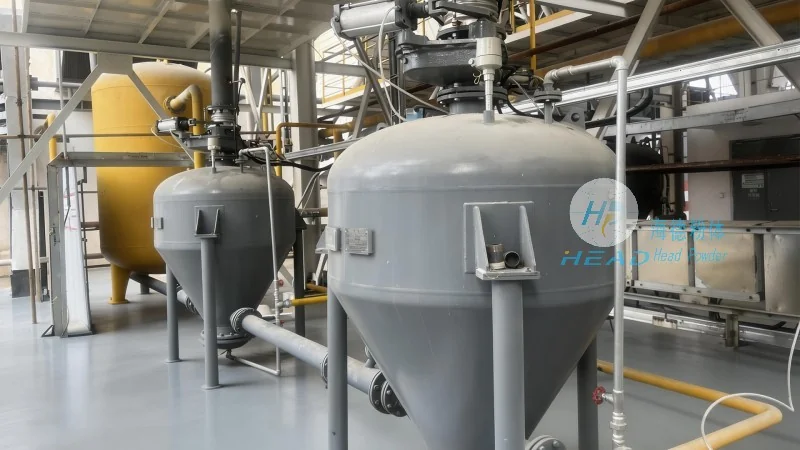
The monosodium glutamate pneumatic conveying system is designed to integrate seamlessly with existing production lines. It can be customized to accommodate different production capacities and operational requirements, ensuring that it fits within the existing infrastructure of food processing facilities. The system is compatible with a wide range of equipment, including storage silos, mixing tanks, and packaging machines, allowing for a smooth transition from material receipt to final product output.
During the integration process, the system is configured to work in harmony with other process equipment, such as feeders, mixers, and packaging lines. This ensures that the flow of MSG is synchronized with the overall production schedule, minimizing downtime and maximizing throughput. The system's modular design allows for easy expansion or modification as production needs evolve, providing long-term value to the client.
Shandong HeadPowder Engineering Co., Ltd. offers a robust and reliable monosodium glutamate pneumatic conveying system that addresses the unique challenges of handling this essential food additive. By combining advanced engineering, high-quality materials, and a focus on operational efficiency, the system ensures that MSG is transported safely, efficiently, and in compliance with industry standards. For more information or to discuss how this system can enhance your production processes, please contact our team at HeadPowder.

 Shandong Headpowder Engineering Co., Ltd.
 156-6277-7102(Manager Zhang)
  0531-83386006
  Zhangqiu District, Jinan City, Shandong Province, China
telephone
WeChatconsult
top