With more than 10‑year industry experience, Shandong Headpowder delivers full‑service pneumatic‑conveying systems and blowers, undertaking nationwide turn‑key powder‑handling projects.
For companies in the lithium battery industry, the efficient and reliable handling of mineral powders is a critical operational requirement. The design of a pneumatic conveying system for these materials requires careful consideration of various factors to ensure optimal performance, safety, and cost-effectiveness. This article explores the key elements involved in designing a reasonable lithium battery mineral powder pneumatic conveying system, with a focus on practical solutions and industry best practices.
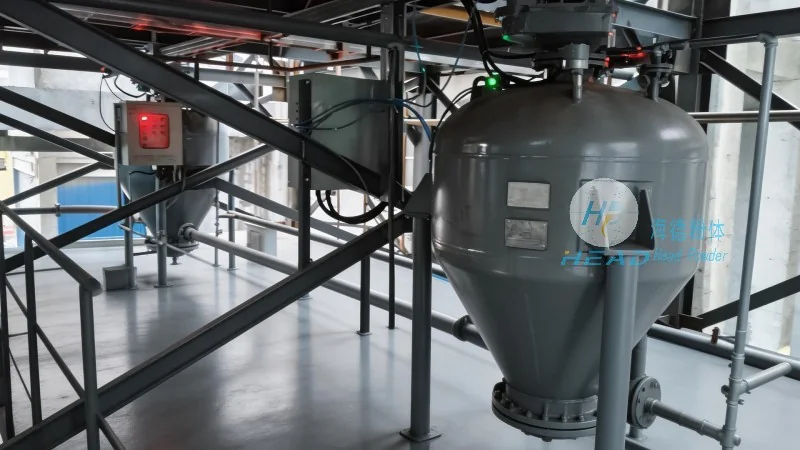
A pneumatic conveying system for lithium battery mineral powders typically consists of several interconnected components. These include a material feed hopper, a conveying line (either positive or negative pressure), a dust collector, and a discharge unit. The choice of system type—such as dilute phase or dense phase—depends on the specific characteristics of the mineral powder, including particle size, moisture content, and flowability. Dilute phase systems use high air velocities to transport particles in a dispersed state, while dense phase systems employ lower air velocities to move material in a slurry-like state, which is often preferred for sensitive or abrasive powders.
When designing a pneumatic conveying system for lithium battery mineral powders, several critical factors must be addressed to ensure system efficiency and longevity. First, the material's physical properties, such as particle size distribution, density, and abrasiveness, directly impact the selection of equipment and system parameters. For example, fine, dry powders may require higher air velocities to prevent clogging, while coarser or more abrasive materials may need specialized hopper designs and wear-resistant components to minimize wear and tear. Additionally, the moisture content of the mineral powder is a key consideration, as excess moisture can lead to material agglomeration or increased friction within the system, potentially causing blockages or reduced conveying efficiency.
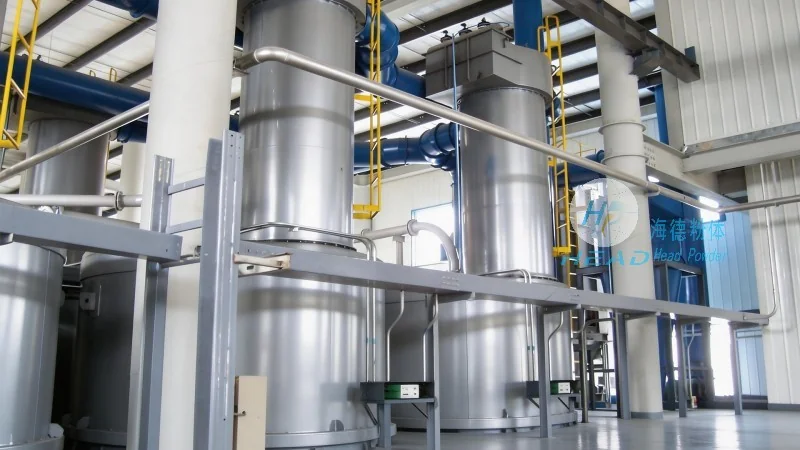
Another critical design consideration is the system's pressure and flow requirements. The conveying line's pressure must be sufficient to overcome the resistance of the material and the system's components, while maintaining an appropriate air-to-material ratio to prevent excessive energy consumption. Proper sizing of the air compressor, filter, and dust collector is essential to ensure consistent performance and to minimize downtime due to maintenance or component failure. Furthermore, the system's layout and integration with existing production lines must be carefully planned to avoid bottlenecks and to ensure smooth material flow from the feed point to the discharge point.
Shandong HeadPowder Engineering Co., Ltd., commonly known as HeadPowder, is a leading provider of engineering solutions for material handling systems, including pneumatic conveying for lithium battery mineral powders. With years of experience in the industry, HeadPowder specializes in designing and implementing customized systems tailored to the unique needs of each client. The company's team of engineers utilizes advanced computational fluid dynamics (CFD) and system modeling tools to simulate and optimize the performance of pneumatic conveying systems, ensuring that the final design meets the client's operational requirements and budget constraints.
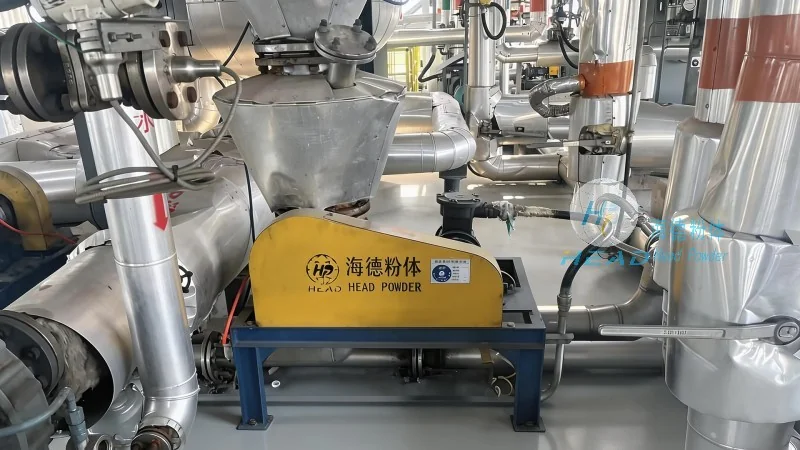
HeadPowder's approach to system design emphasizes safety, efficiency, and durability. The company works closely with clients to understand their specific production processes and material characteristics, then develops a comprehensive system design that addresses all critical aspects, from material feed and conveying to dust collection and waste disposal. By leveraging their expertise in material science and engineering, HeadPowder ensures that the pneumatic conveying systems they design are not only effective but also reliable and cost-effective over the long term.
Despite the benefits of pneumatic conveying, several challenges can arise when handling lithium battery mineral powders. One common issue is material clogging, which can occur due to agglomeration or the presence of moisture. To mitigate this, HeadPowder incorporates features such as agitators, vibrators, or heated hoppers to maintain material flowability. Another challenge is the potential for dust generation and air pollution, which can impact both worker safety and environmental compliance. HeadPowder addresses this by integrating advanced dust collection systems, such as baghouse or cartridge filters, to capture and remove airborne particles, ensuring that the system operates within regulatory limits and maintains a safe working environment.
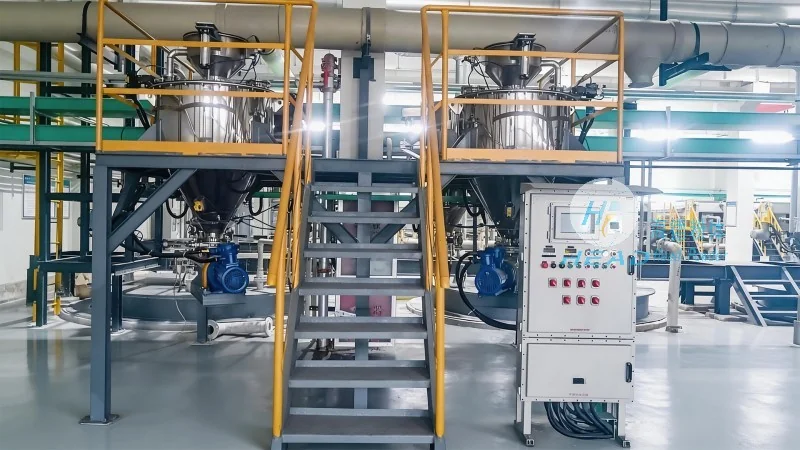
Additionally, the abrasive nature of some lithium battery mineral powders can lead to premature wear of system components, such as hoppers, pipelines, and valves. HeadPowder mitigates this by specifying wear-resistant materials, such as stainless steel or high-chrome alloys, and by designing components with appropriate thickness and reinforcement. This approach extends the lifespan of the system and reduces maintenance costs, providing a more sustainable and cost-effective solution for clients.
Designing a reasonable lithium battery mineral powder pneumatic conveying system requires a deep understanding of both the material properties and the technical aspects of pneumatic conveying. By addressing key design considerations, such as material characteristics, system pressure, and component durability, companies can achieve efficient and reliable material handling that supports their production goals. Shandong HeadPowder Engineering Co., Ltd. offers expert guidance and customized solutions to help clients navigate the complexities of pneumatic conveying, ensuring that their systems are optimized for performance, safety, and longevity.

 Shandong Headpowder Engineering Co., Ltd.
 156-6277-7102(Manager Zhang)
  0531-83386006
  Zhangqiu District, Jinan City, Shandong Province, China
telephone
WeChatconsult
top