With more than 10‑year industry experience, Shandong Headpowder delivers full‑service pneumatic‑conveying systems and blowers, undertaking nationwide turn‑key powder‑handling projects.
Yeast powder material handling is a critical process in the food and beverage industry, particularly for the efficient transportation and processing of yeast powders used in fermentation and other applications. Understanding the design principles behind such systems is essential for optimizing production efficiency, ensuring product quality, and maintaining operational safety. This article delves into the key aspects of yeast powder material handling, highlighting the technical considerations and practical applications that define modern solutions.
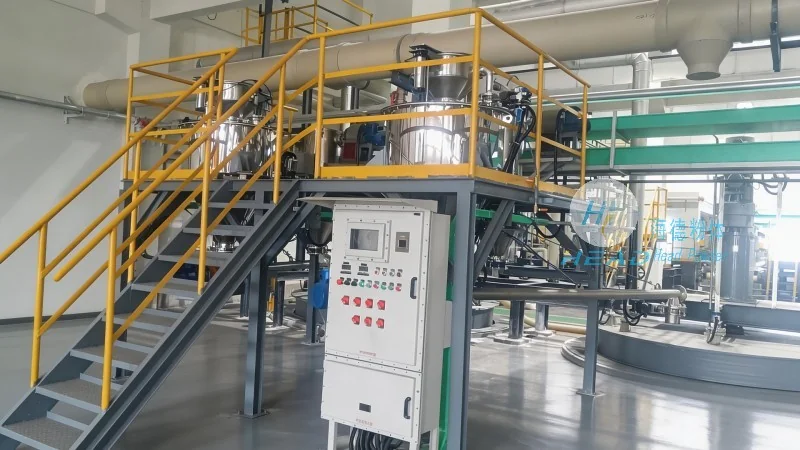
Yeast powder, a vital ingredient in various industries including brewing, baking, and pharmaceuticals, requires specialized handling due to its fine particle size, hygroscopic nature, and potential for dust generation. Traditional methods of transporting and processing yeast powders often involve manual labor, which can lead to inefficiencies, contamination risks, and safety hazards. Modern material handling systems address these challenges by integrating advanced engineering solutions that ensure seamless, controlled, and safe movement of yeast powders from storage to processing units.
The design of yeast powder material handling systems is guided by several fundamental principles aimed at maximizing performance and reliability. These principles include:
1. Aseptic and Contamination Control: Yeast powders are highly sensitive to contamination, which can compromise their efficacy in fermentation processes. Design principles emphasize the use of sealed systems, sterile materials, and minimal human intervention to maintain a clean environment. This involves incorporating features such as air filtration, dust suppression, and enclosed conveyor systems to prevent cross-contamination.
2. Efficient Material Flow: Ensuring smooth and continuous movement of yeast powders is crucial for maintaining production throughput. Designers focus on minimizing friction, preventing blockages, and optimizing the layout of the handling system. This may involve using inclined chutes, rotary valves, and pneumatic conveying systems that are specifically engineered for fine powders.
3. Energy Efficiency: Modern handling systems prioritize energy conservation while maintaining performance. Design principles incorporate energy-efficient motors, variable speed drives, and optimized air flow to reduce operational costs without compromising the quality of material transport.
4. Flexibility and Scalability: As production needs evolve, handling systems must be adaptable to accommodate changes in powder volume, processing requirements, or product lines. Design principles emphasize modular components and scalable designs that allow for easy expansion or reconfiguration without significant downtime.
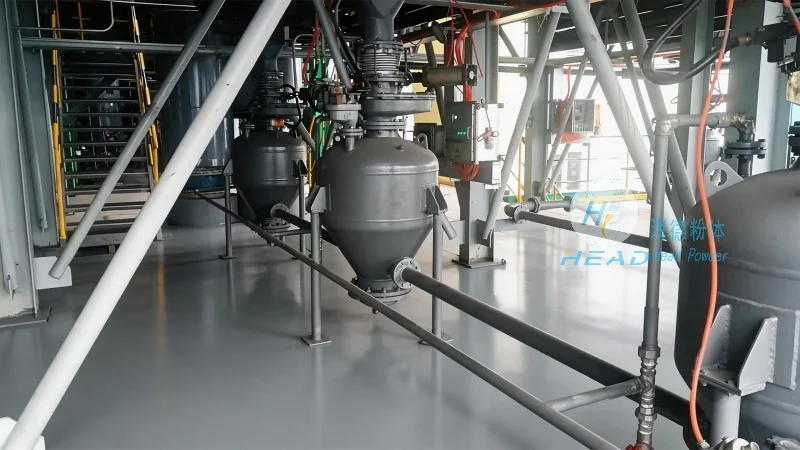
A comprehensive yeast powder material handling system typically consists of several interconnected components, each playing a critical role in the overall process. These components include:
1. Storage Silos: Large-capacity silos are used to store yeast powders in bulk, ensuring a steady supply for production. These silos are often equipped with agitators or sweepers to prevent material bridging and ensure uniform material flow.
2. Conveying Equipment: Conveyors, such as belt conveyors or screw conveyors, are used to transport yeast powders horizontally or vertically. For fine powders, pneumatic conveying systems are preferred, as they can handle dust and provide gentle material movement.
3. Dosing and Metering Devices: Accurate dosing of yeast powder is essential for consistent product quality. Devices like rotary valves, gravimetric feeders, and volumetric feeders are used to control the flow rate and quantity of yeast powder being added to the processing line.
4. Processing and Mixing Equipment: After handling, yeast powders may be mixed with other ingredients or processed further. This may involve mixers, blenders, or reactors that are integrated with the handling system to ensure seamless transition.
5. Control and Monitoring Systems: Advanced control systems are used to monitor and regulate the entire handling process. These systems provide real-time data on material flow, pressure, and temperature, allowing operators to make adjustments and prevent issues before they escalate.
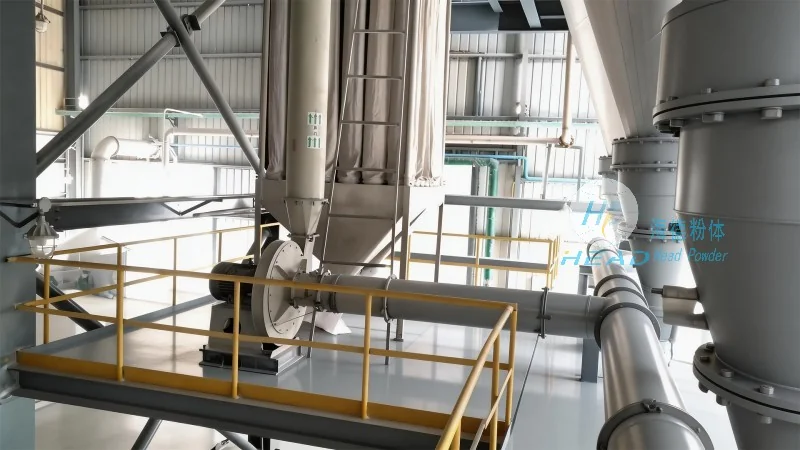
Implementing a well-designed yeast powder material handling system offers numerous benefits for businesses. These advantages include:
1. Enhanced Product Quality: By maintaining a controlled environment and preventing contamination, handling systems ensure that yeast powders remain in optimal condition, leading to consistent and high-quality end products.
2. Increased Operational Efficiency: Automated and efficient handling reduces labor costs, minimizes downtime, and increases production throughput, allowing businesses to meet market demands more effectively.
3. Improved Safety: Enclosed systems and dust suppression measures reduce the risk of dust explosions and exposure to fine particles, creating a safer working environment for employees.
4. Cost Savings: Energy-efficient designs and reduced waste from contamination lead to long-term cost savings, making the investment in professional handling solutions worthwhile.
Yeast powder material handling is a complex but essential process that requires careful consideration of design principles to ensure optimal performance. By integrating advanced engineering solutions and adhering to best practices, businesses can achieve efficient, safe, and cost-effective handling of yeast powders. Companies like Shandong HeadPowder Engineering Co., Ltd., with their expertise in material handling systems, provide tailored solutions that meet the specific needs of clients in the food and beverage industry. With a focus on quality, efficiency, and safety, these systems play a vital role in supporting modern production processes and maintaining competitive advantages in the market.

 Shandong Headpowder Engineering Co., Ltd.
 156-6277-7102(Manager Zhang)
  0531-83386006
  Zhangqiu District, Jinan City, Shandong Province, China
telephone
WeChatconsult
top