With more than 10‑year industry experience, Shandong Headpowder delivers full‑service pneumatic‑conveying systems and blowers, undertaking nationwide turn‑key powder‑handling projects.
Embolic material transport systems are specialized equipment used in industrial settings to handle and transport bulk materials efficiently. These systems are particularly valuable in applications where precise control over material flow is essential, such as in pharmaceutical, food processing, and chemical industries. Understanding the core components and design principles of such systems is crucial for optimizing operational efficiency and ensuring product quality.
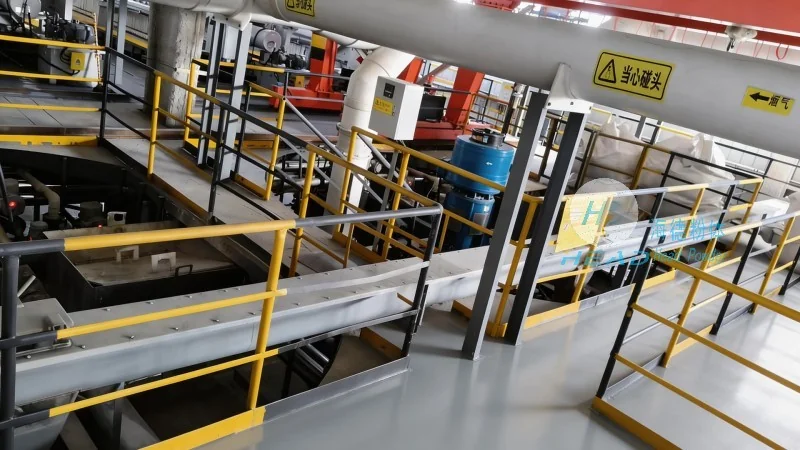
An embolism-type material transport system, often referred to as an embolism-type material handling system, is a mechanical device designed to move bulk materials from one location to another. The term "embolism-type" typically refers to the system's ability to create a controlled, intermittent flow of material, similar to how an embolism (a blockage in a blood vessel) temporarily restricts flow. This design allows for precise dosing and control, which is critical in applications requiring accurate material delivery. Such systems are engineered and manufactured by Shandong HeadPowder Engineering Co., Ltd., a leading company based in Shandong, China, specializing in industrial material handling solutions.
The design of an embolism-type material transport system is centered on several fundamental principles to ensure reliable and efficient operation. These principles include:
1. **Controlled Flow Mechanism**: The system utilizes a valve or plunger mechanism to regulate the flow of material. This mechanism allows for the creation of a "block" or "embolism" that temporarily stops material movement, followed by a controlled release. This intermittent flow prevents material from being over-pressurized or flowing uncontrollably.
2. **Material Compatibility**: The design considers the physical and chemical properties of the materials being handled. For instance, materials that are abrasive, corrosive, or have a tendency to clog are accommodated through the use of durable materials like stainless steel or specialized coatings. This ensures the system's longevity and maintains product integrity.
3. **Precision and Accuracy**: The system is engineered to deliver materials with high precision, often within tight tolerances. This is achieved through calibrated components, such as adjustable valves and pressure sensors, which allow operators to fine-tune the flow rate and dosage. Such accuracy is vital in industries where consistency is non-negotiable, like pharmaceutical manufacturing.
4. **Safety and Reliability**: Safety is a paramount consideration in the design. Features like overload protection, emergency stop mechanisms, and pressure relief valves are integrated to prevent accidents and ensure continuous operation. The system is also built for durability, with robust construction to withstand harsh industrial environments.
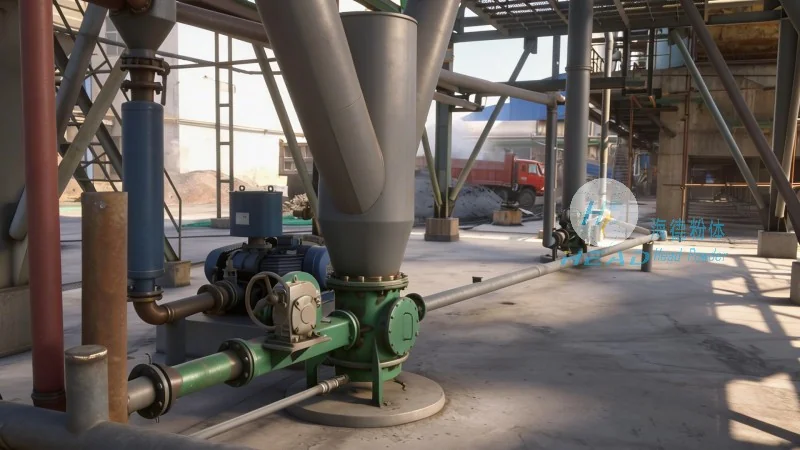
The embolism-type material transport system consists of several key components that work in tandem to achieve its objectives. These components typically include:
1. **Hopper or Feed Hopper**: This is the container that holds the bulk material. It is designed to feed material into the system at a controlled rate. The hopper may include features like a discharge gate or a vibratory feeder to ensure consistent material flow.
2. **Plunger or Valve Assembly**: The heart of the system, this component creates the controlled flow. The plunger moves back and forth, compressing the material and then releasing it in a controlled manner. The speed and force of the plunger's movement determine the flow rate and dosage.
3. **Piping and Conveying System**: The material is transported through a network of pipes or hoses. The design of these conduits is critical to prevent material buildup or clogging. Often, they are equipped with cleaning mechanisms or are made of smooth materials to facilitate material movement.
4. **Control Unit**: This component manages the operation of the system. It includes sensors, a control panel, and possibly a programmable logic controller (PLC). The control unit monitors parameters like pressure, flow rate, and material level, and adjusts the system's operation as needed to maintain optimal performance.
The operational workflow begins with material being fed into the hopper. The control unit then activates the plunger, which compresses the material and forces it through the piping system. The controlled release of material ensures that the flow is steady and consistent, preventing surges or drops in material delivery. This process is repeated in cycles, allowing for precise and repeatable material transport.
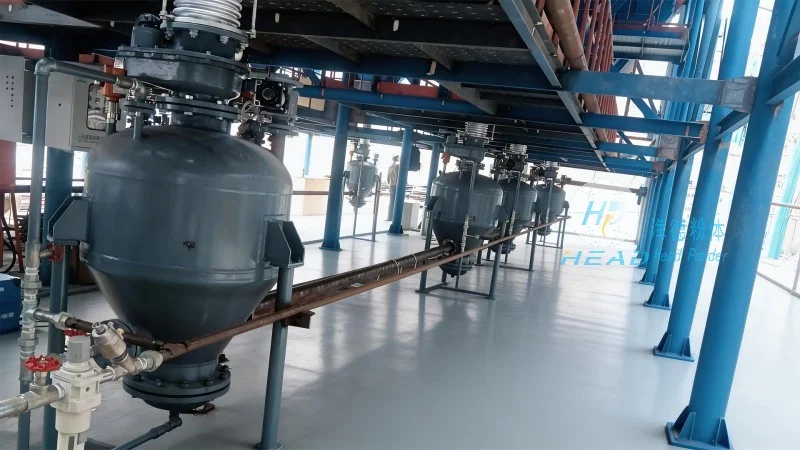
Embolic material transport systems are widely used across various industries due to their ability to handle a diverse range of materials with precision. Some common applications include:
1. **Pharmaceutical Manufacturing**: In the production of powders and granules, these systems are used to transfer raw materials and finished products with high accuracy. This ensures that the dosage of active ingredients is consistent, which is critical for product efficacy and safety.
2. **Food Processing**: The food industry utilizes embolism-type systems to handle ingredients like spices, powders, and other food additives. The systems are designed to maintain hygiene standards and prevent contamination, making them suitable for food-grade applications.
3. **Chemical Processing**: In chemical plants, these systems are used to transport powders and granules, such as catalysts or reagents. The controlled flow helps prevent dust explosions and ensures safe handling of potentially hazardous materials.
4. **Agricultural Applications**: Some systems are used in agricultural settings to handle fertilizers and other agricultural chemicals. The precision in material delivery helps optimize application rates and reduce waste.
Compared to traditional material handling methods, embolism-type systems offer several advantages that make them a preferred choice in many industries:
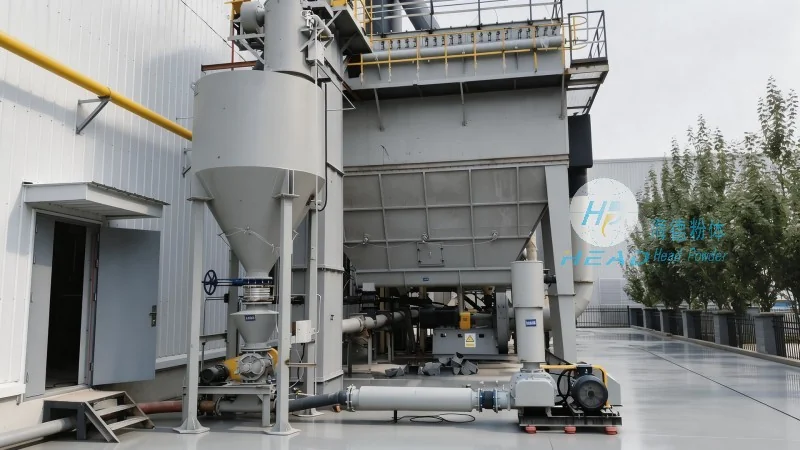
1. **High Precision and Accuracy**: The controlled flow mechanism allows for precise dosing, which is essential in applications where even small variations can impact product quality or safety.
2. **Reduced Material Waste**: By controlling the flow precisely, these systems minimize material waste, leading to cost savings and environmental benefits.
3. **Improved Safety**: The intermittent flow and safety features reduce the risk of over-pressurization, dust explosions, and other hazards commonly associated with traditional bulk material handling.
4. **Versatility**: These systems can handle a wide range of materials, from fine powders to coarse granules, making them adaptable to various industrial needs.
5. **Easy Maintenance**: The modular design of many embolism-type systems allows for easy maintenance and replacement of components, reducing downtime and maintenance costs.
Embolic material transport systems represent a sophisticated solution for efficient and precise bulk material handling. By understanding their design principles and operational workflow, industries can leverage these systems to enhance productivity, ensure product quality, and maintain safety standards. As technology advances, these systems continue to evolve, offering even greater precision and adaptability to meet the demands of modern industrial applications.

 Shandong Headpowder Engineering Co., Ltd.
 156-6277-7102(Manager Zhang)
  0531-83386006
  Zhangqiu District, Jinan City, Shandong Province, China
telephone
WeChatconsult
top