With more than 10‑year industry experience, Shandong Headpowder delivers full‑service pneumatic‑conveying systems and blowers, undertaking nationwide turn‑key powder‑handling projects.
HeadPowder, a leading provider of industrial material handling solutions, specializes in advanced pneumatic conveying systems tailored for diverse applications. This article provides a detailed comparison between positive pressure and negative pressure conveying methods, focusing on their applications in clay material transport, and highlights the technical advantages and operational considerations of each approach.
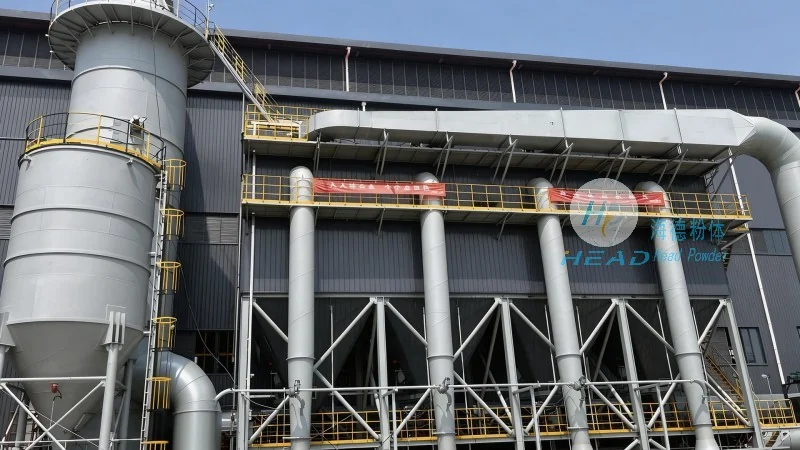
Pneumatic conveying is a widely used technique for transporting bulk materials, including powders and granules, over short to medium distances. It involves the use of air or other gases to move materials through a pipeline system. The two primary methods of pneumatic conveying are positive pressure and negative pressure systems, each with distinct operational principles and suitability for different material types and process requirements.
Positive pressure conveying, also known as pressure conveying, operates by blowing air or gas into the conveying line under pressure. This method is particularly effective for transporting clay materials, as it can handle high material loads and maintain consistent flow rates. The system typically includes a positive displacement blower or a rotary lobe blower as the air source, which generates the necessary pressure to move the material through the pipeline.

Key advantages of positive pressure clay conveying include its ability to handle abrasive and sticky materials, such as clay, without causing excessive wear on the equipment. The high pressure ensures that the material is fully suspended in the air stream, reducing the risk of blockages and ensuring efficient transport. Additionally, positive pressure systems are well-suited for long-distance conveying, as the pressure can be maintained throughout the entire pipeline.
However, positive pressure conveying may require more robust equipment and higher energy consumption compared to negative pressure systems. The high pressure also necessitates careful consideration of pipeline design and material selection to prevent leaks and ensure safety. HeadPowder's positive pressure clay conveying solutions are engineered to optimize performance while minimizing operational costs, leveraging advanced blower technology and durable components.
Negative pressure conveying, or vacuum conveying, operates by creating a vacuum in the conveying line, which draws the material into the system. This method is commonly used for transporting lighter materials, such as fine powders, and is often preferred for applications where the material is to be collected from multiple points or for short-distance transport.
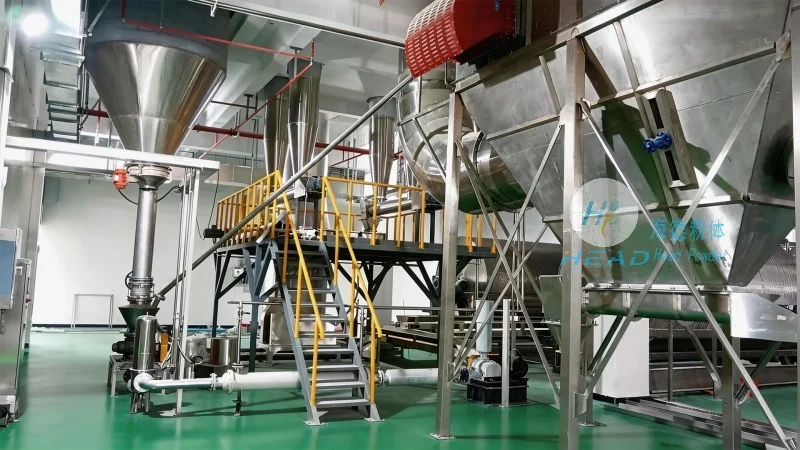
For clay materials, negative pressure conveying offers several benefits, including lower energy consumption and reduced equipment complexity. The vacuum system can be more compact and less expensive to install compared to high-pressure positive systems. Additionally, negative pressure conveying is effective for handling materials that are sensitive to high pressure or that require gentle handling to prevent degradation.
Nevertheless, negative pressure systems may have limitations in handling highly abrasive or sticky clay materials, as the vacuum may not provide sufficient force to fully suspend the material, potentially leading to blockages or reduced conveying efficiency. The system also requires careful maintenance to prevent dust and material buildup in the vacuum pump and pipeline, which can affect performance over time.
When selecting between positive and negative pressure conveying for clay materials, several factors must be considered, including material characteristics, conveying distance, system complexity, and operational costs. Positive pressure systems are generally more suitable for high-volume, long-distance transport of clay, while negative pressure systems are better suited for low-volume, short-distance applications or where material sensitivity is a concern.
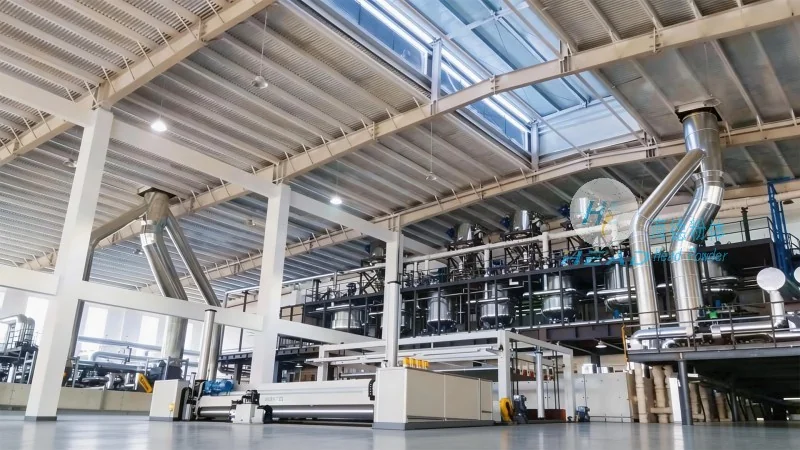
HeadPowder's expertise in both positive and negative pressure conveying allows us to provide customized solutions that meet the specific needs of our clients. Our engineers work closely with customers to assess their material properties, process requirements, and operational constraints to recommend the most efficient and cost-effective conveying method. Whether a positive pressure or negative pressure system is preferred, HeadPowder's advanced technology ensures reliable and consistent material transport for clay applications.
Both positive pressure and negative pressure pneumatic conveying methods offer viable solutions for transporting clay materials, each with its own set of advantages and considerations. Positive pressure systems excel in high-volume, long-distance applications with robust material handling capabilities, while negative pressure systems provide efficient, low-cost options for shorter distances or sensitive materials. By understanding the operational differences and material requirements, industrial facilities can select the most appropriate conveying method to optimize their material handling processes. HeadPowder remains committed to delivering innovative and reliable pneumatic conveying solutions that enhance operational efficiency and reduce costs for our clients.

 Shandong Headpowder Engineering Co., Ltd.
 156-6277-7102(Manager Zhang)
  0531-83386006
  Zhangqiu District, Jinan City, Shandong Province, China
telephone
WeChatconsult
top