With more than 10‑year industry experience, Shandong Headpowder delivers full‑service pneumatic‑conveying systems and blowers, undertaking nationwide turn‑key powder‑handling projects.
When it comes to transporting mineral sands, the choice between positive pressure and negative pressure pneumatic conveying systems is a critical decision for industrial operations. Both methods offer unique advantages and are tailored to specific operational requirements, making a thorough understanding of their characteristics essential for optimizing material handling processes. This analysis delves into the fundamental differences, operational principles, and practical applications of these two approaches, providing insights for industry professionals seeking to enhance efficiency and reliability in their mineral sand transportation systems.
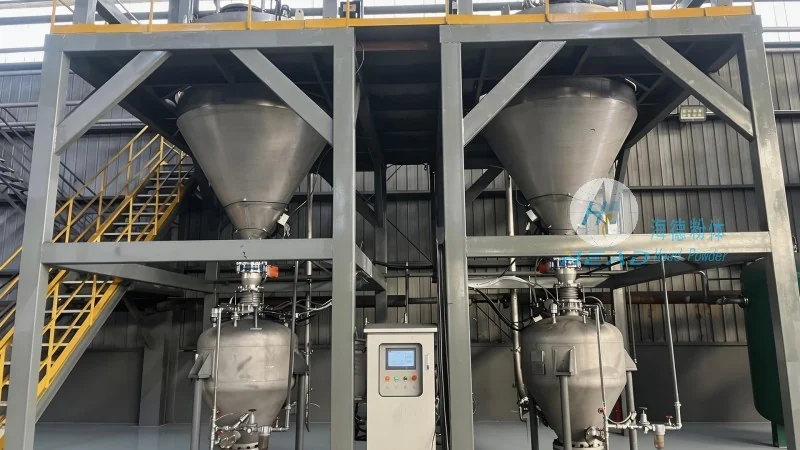
Positive pressure conveying, also known as direct pressure or pressure-assisted conveying, operates by forcing air or a carrier gas through a pipeline at a pressure higher than the ambient atmosphere. This method actively pushes the material forward, ensuring consistent flow and preventing backflow. The system typically includes a positive displacement blower or a high-pressure compressor that generates the necessary pressure to move the material. One of the key benefits of positive pressure systems is their ability to handle a wide range of particle sizes and densities, including abrasive and corrosive mineral sands. The high pressure also allows for longer conveying distances and can accommodate vertical lifts, making it suitable for complex layouts. Additionally, positive pressure systems are generally more reliable in terms of maintaining a continuous flow, as they are less susceptible to blockages caused by low air velocity or material settling. However, they may require more robust equipment and higher energy consumption compared to negative pressure systems, particularly when dealing with very fine or low-density materials.
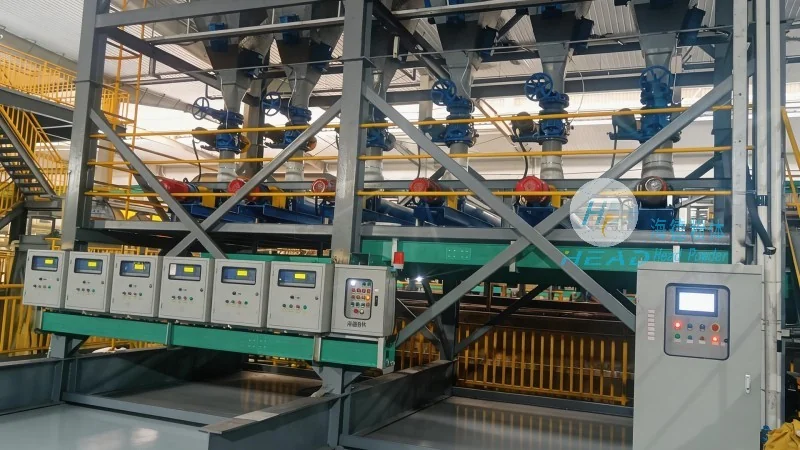
Negative pressure conveying, or vacuum-assisted conveying, works by creating a vacuum in the pipeline, which draws the material into the system. The air flow is directed opposite to the material movement, pulling it from the source to the destination. This method is particularly effective for handling fine powders and granular materials that are prone to dust generation. The low pressure environment reduces the risk of material degradation and minimizes the potential for product contamination. Negative pressure systems are often more energy-efficient for short to medium conveying distances and are easier to install in existing facilities, as they do not require high-pressure components. They are also better suited for applications where the material source is located at a higher elevation than the destination, as the vacuum can help pull the material upward. However, negative pressure systems may be less effective for handling large, heavy, or abrasive particles, as the suction force may not be sufficient to maintain consistent flow. Blockages can also occur if the system is not properly maintained, as the low air velocity can lead to material accumulation in the pipeline.
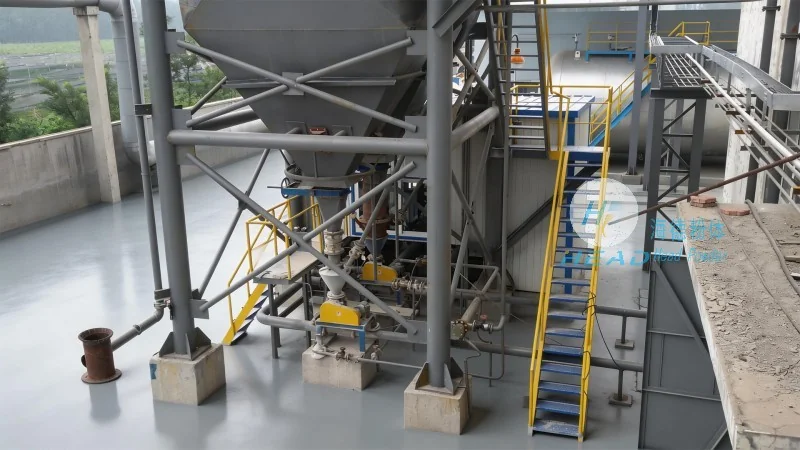
When comparing positive and negative pressure conveying for mineral sands, several factors come into play. The choice often depends on the specific characteristics of the material, the distance and elevation changes, the required flow rate, and the available space for equipment installation. Positive pressure systems excel in scenarios requiring high flow rates, long distances, and the handling of coarse or abrasive materials. They are ideal for applications where the material source is at a lower elevation than the destination, as the pressure can push the material upward. Conversely, negative pressure systems are preferable for fine powders, shorter distances, and when the material source is at a higher elevation. They are also advantageous in environments where dust control and product purity are critical, as the vacuum helps contain particles and reduce emissions. Energy consumption is another significant consideration: positive pressure systems typically consume more energy due to the high-pressure blower, while negative pressure systems are more energy-efficient for shorter runs. Maintenance requirements also differ, with positive pressure systems needing more robust components to withstand high pressures and abrasive materials, whereas negative pressure systems may require more frequent cleaning to prevent blockages from fine particles.
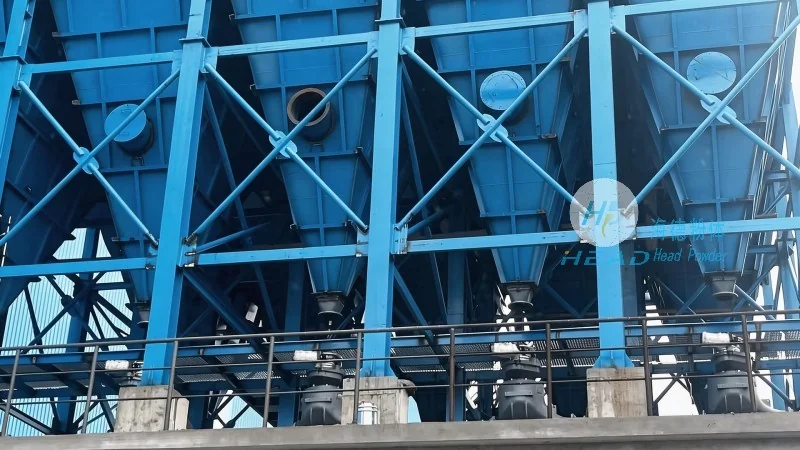
Shandong HeadPowder Engineering Co., Ltd., a leading provider of industrial conveying solutions, specializes in designing and manufacturing customized pneumatic conveying systems tailored to the unique needs of mineral sand operations. With a focus on innovation and reliability, HeadPowder offers a range of equipment, including positive pressure blowers, vacuum pumps, and specialized pipelines, to ensure efficient and safe material handling. The company’s expertise lies in understanding the specific challenges of mineral sands, such as their abrasive nature and varying particle sizes, and developing solutions that maximize system performance while minimizing operational costs. HeadPowder’s team of engineers works closely with clients to assess their operational requirements, conduct feasibility studies, and provide comprehensive system designs that integrate the most suitable conveying method—whether positive or negative pressure—based on the project’s specific constraints and objectives. By leveraging advanced technology and a deep understanding of pneumatic conveying principles, HeadPowder delivers high-quality, durable systems that enhance productivity and ensure long-term reliability in mineral sand transportation. The company’s commitment to customer satisfaction and technical excellence has made it a trusted partner for industries relying on efficient material handling solutions.

 Shandong Headpowder Engineering Co., Ltd.
 156-6277-7102(Manager Zhang)
  0531-83386006
  Zhangqiu District, Jinan City, Shandong Province, China
telephone
WeChatconsult
top