With more than 10‑year industry experience, Shandong Headpowder delivers full‑service pneumatic‑conveying systems and blowers, undertaking nationwide turn‑key powder‑handling projects.
Cornstarch, a versatile and widely used industrial material, often requires efficient and reliable handling solutions for its transportation. Pneumatic conveying systems have emerged as a preferred method for moving cornstarch due to their ability to handle fine powders with minimal product degradation. The design of such systems involves careful consideration of several key factors to ensure optimal performance, safety, and longevity. This article outlines essential design considerations for cornstarch pneumatic conveying systems, focusing on the technical and operational aspects that contribute to successful implementation.
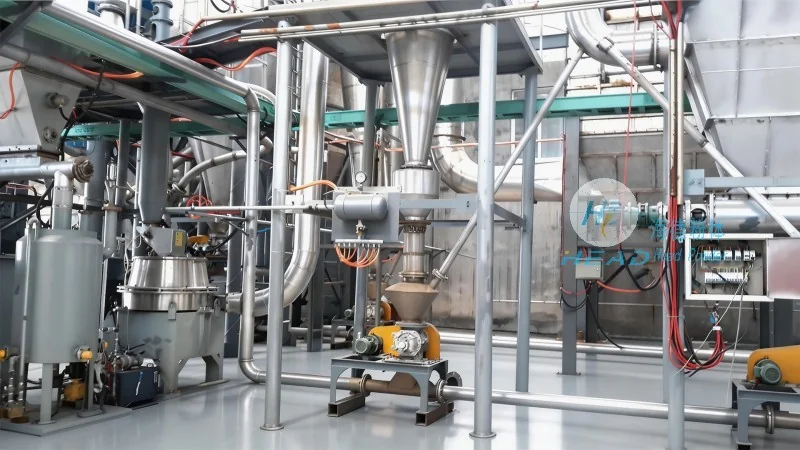
The effectiveness of a cornstarch pneumatic conveying system is largely determined by its design, which must address the unique properties of cornstarch. Cornstarch is a fine powder with a relatively low bulk density and high moisture sensitivity. These characteristics influence the selection of components such as the conveyor type, air flow rate, and system pressure. A well-designed system should maintain consistent air flow to prevent clogging and ensure uniform material transport. Additionally, the system must be equipped with appropriate filtration and separation mechanisms to handle any potential dust or moisture issues, which can impact the quality of the cornstarch and the overall system performance.
Choosing the right materials and equipment is critical in cornstarch pneumatic conveying systems. The components must be resistant to corrosion and wear, as cornstarch can be abrasive and may contain moisture that could lead to rust or degradation over time. Stainless steel is often preferred for the construction of pipelines, hoppers, and other parts of the system due to its durability and resistance to chemical reactions. The selection of the conveyor type—such as pressure or vacuum systems—depends on the specific application and the distance the cornstarch needs to travel. For short distances and low volumes, a vacuum system may be sufficient, while longer distances or higher volumes may require a pressure system. The system should also include proper sealing and connection points to prevent air leaks and maintain the integrity of the cornstarch flow.
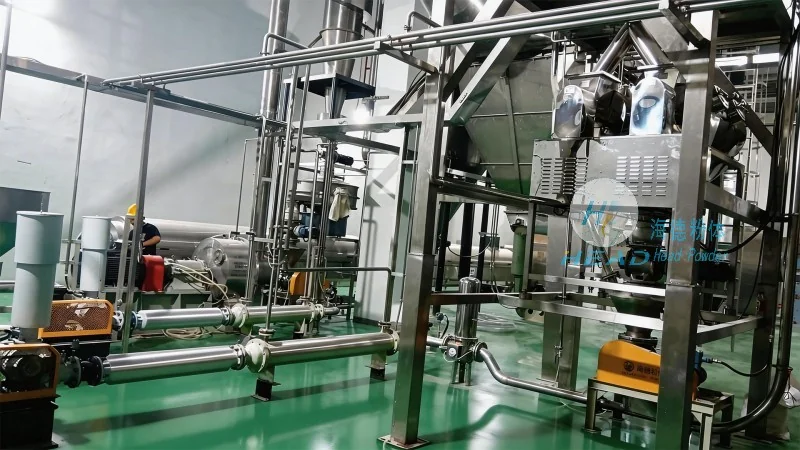
Accurate sizing of the pneumatic conveying system is essential to ensure efficient operation. The air flow rate must be carefully calculated based on the cornstarch's bulk density, particle size, and the required conveying velocity. An insufficient air flow can lead to blockages and material buildup, while an excessive flow may result in higher energy consumption and reduced system efficiency. The system should be designed to maintain a consistent conveying velocity, typically ranging from 10 to 30 meters per second, depending on the cornstarch characteristics. Proper air flow management also involves the use of appropriate valves, regulators, and flow meters to control and monitor the air pressure and flow rate in real-time. This allows for adjustments to be made as needed to maintain optimal performance and prevent system failures.
Preserving the quality of cornstarch is a top priority in its handling. Pneumatic conveying systems must be designed to minimize product degradation, which can occur due to friction, impact, or exposure to air. The use of smooth, non-abrasive surfaces in the system components helps reduce particle breakage. Additionally, the system should incorporate features such as temperature control and moisture management to prevent the cornstarch from becoming clumped or degraded. Filtration systems are also crucial to prevent dust and contaminants from entering the system or being carried along with the cornstarch. Regular maintenance and cleaning of the system are necessary to ensure that the cornstarch remains free from contaminants and maintains its quality throughout the conveying process.
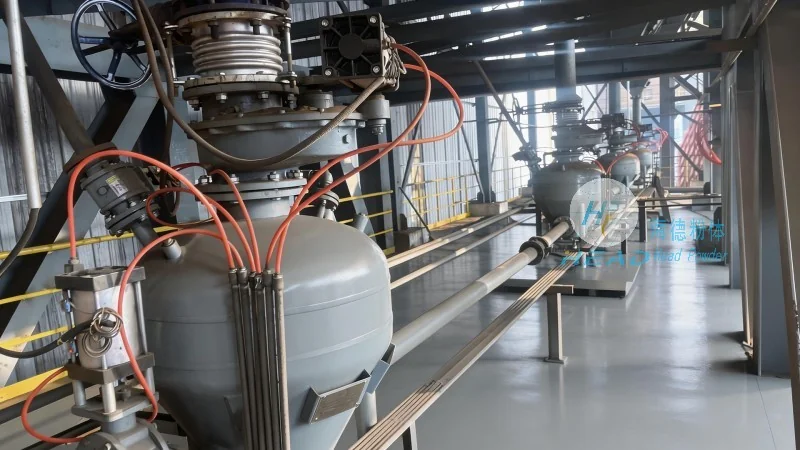
Safety is a critical aspect of cornstarch pneumatic conveying system design. The system must be equipped with safety features such as pressure relief valves, emergency shut-off mechanisms, and proper ventilation to prevent the buildup of dust or pressure. The design should also consider the potential for explosion hazards, especially in environments where cornstarch dust may accumulate. Proper grounding and electrical safety measures are essential to prevent electrical fires or shocks. Operational considerations include the ease of maintenance and the availability of spare parts. The system should be designed for easy access to components for cleaning and repair, reducing downtime and maintenance costs. Training for operators on proper system operation and maintenance is also important to ensure safe and efficient operation.
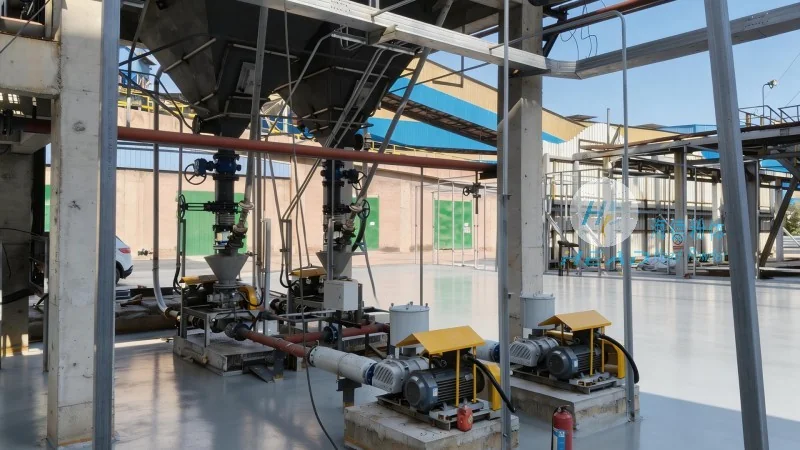
When designing a cornstarch pneumatic conveying system, it is important to consider its integration with existing facilities and process flow. The system should be compatible with the current infrastructure, such as the storage and processing equipment, to ensure a seamless flow of materials. The layout of the system should be optimized to minimize the distance the cornstarch needs to travel, reducing energy consumption and system complexity. The design should also account for future expansion or changes in the process, allowing for scalability and adaptability. Proper planning and coordination with the existing facility layout can help avoid costly modifications and ensure a smooth transition to the new system.
Designing an effective cornstarch pneumatic conveying system requires a comprehensive approach that considers the material properties, operational requirements, and safety considerations. By addressing key factors such as material selection, air flow management, and system sizing, engineers can develop a system that efficiently handles cornstarch while maintaining product quality and operational safety. The involvement of experienced professionals, such as those from Shandong HeadPowder Engineering Co., Ltd., can provide valuable expertise in designing and implementing such systems, ensuring that the final solution meets the specific needs of the application. With proper design and maintenance, cornstarch pneumatic conveying systems can provide reliable and efficient material handling for years to come.

 Shandong Headpowder Engineering Co., Ltd.
 156-6277-7102(Manager Zhang)
  0531-83386006
  Zhangqiu District, Jinan City, Shandong Province, China
telephone
WeChatconsult
top