With more than 10‑year industry experience, Shandong Headpowder delivers full‑service pneumatic‑conveying systems and blowers, undertaking nationwide turn‑key powder‑handling projects.
Shandong HeadPowder Engineering Co., Ltd., a leading provider in the field of material handling solutions, specializes in the design and implementation of advanced pneumatic conveying systems. With a focus on efficiency, reliability, and safety, the company's expertise lies in creating tailored systems for various industrial applications, including the transportation of glucose powder. This article outlines key design considerations essential for optimizing the performance of a glucose powder pneumatic conveying system.
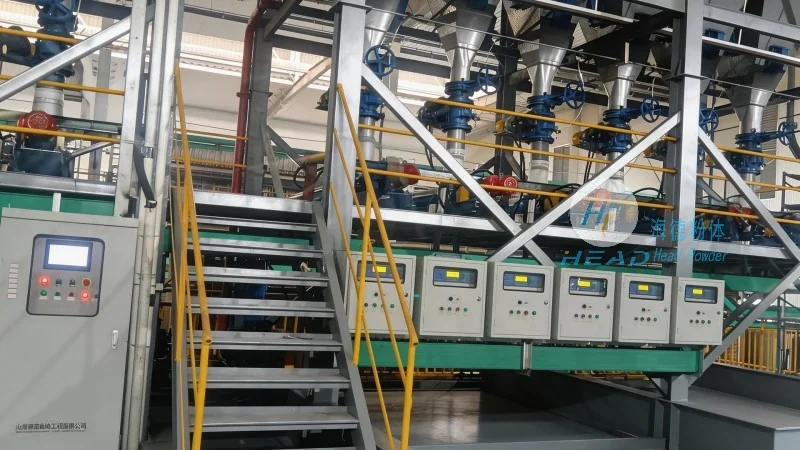
Pneumatic conveying systems utilize air or other gases to transport bulk materials like glucose powder from one location to another. For glucose powder, which is a fine, hygroscopic material, the design must address specific challenges such as dust control, material flow consistency, and system efficiency. The choice of conveying method—whether dilute-phase or dense-phase—plays a critical role in determining the system's effectiveness. Dilute-phase systems use high-velocity air to move particles, while dense-phase systems employ lower velocities with higher material concentration, offering advantages in controlling particle impact and reducing product degradation. Selecting the appropriate method depends on factors like the material's properties, required distance, and desired system capacity.
Several critical factors must be considered when designing a glucose powder pneumatic conveying system to ensure optimal performance and longevity. First, the material's physical properties, including particle size distribution, moisture content, and bulk density, directly influence the system's design. For glucose powder, which is typically fine and hygroscopic, proper moisture control is essential to prevent caking or agglomeration, which can lead to blockages and system inefficiencies. The system must be designed to maintain consistent moisture levels, often through integrated drying or conditioning units.
Second, the selection of air handling equipment is paramount. The blower or compressor must provide sufficient air volume and pressure to move the glucose powder efficiently without causing excessive energy consumption. The type of blower—such as rotary lobe, centrifugal, or positive displacement—impacts system performance and maintenance requirements. For glucose powder, a positive displacement blower is often preferred due to its ability to maintain consistent pressure and flow, even with varying material loads.
Third, the design of the conveying line and associated components, including pipelines, elbows, and valves, is crucial. The material of construction for these components must be compatible with glucose powder to prevent contamination or corrosion. Stainless steel or food-grade materials are commonly used to ensure the product remains pure and meets regulatory standards. Additionally, the system must incorporate features like air filters and dust collectors to manage airborne particles and maintain a clean environment, which is vital for food-grade applications.
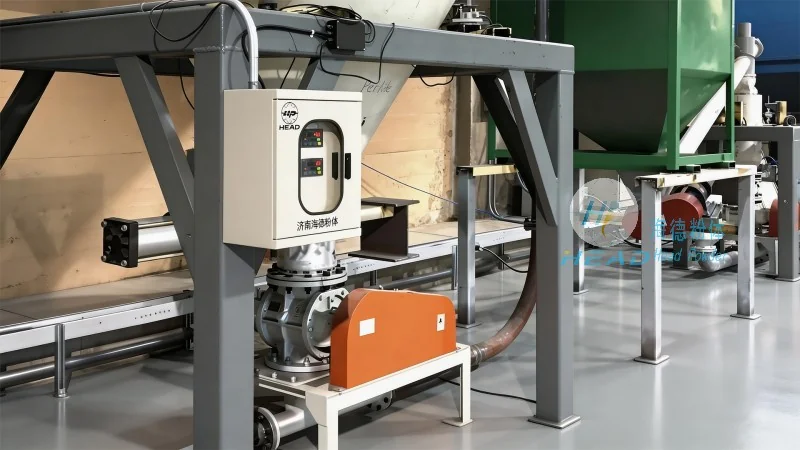
Fourth, the system's control and monitoring mechanisms are essential for operational efficiency and safety. Automated controls allow for real-time adjustments to air pressure, flow rate, and material feed, ensuring smooth operation and preventing overloading or underflow. Sensors and alarms can detect blockages, pressure drops, or other anomalies, enabling immediate intervention to avoid system downtime. For glucose powder applications, where product quality is paramount, these controls help maintain consistent product characteristics and prevent contamination.
Optimizing a glucose powder pneumatic conveying system involves balancing several factors to achieve maximum efficiency and minimal maintenance. Regular maintenance is critical to ensure the system operates at peak performance. This includes cleaning air filters, inspecting pipelines for blockages, and checking the condition of the blower and other components. The system should be designed with easy access to maintenance points to facilitate routine checks and repairs.
Energy efficiency is another key consideration. By selecting the appropriate blower type and optimizing air flow, the system can reduce energy consumption without compromising performance. For example, using a variable frequency drive (VFD) to adjust the blower speed based on demand can significantly lower energy costs while maintaining system responsiveness.
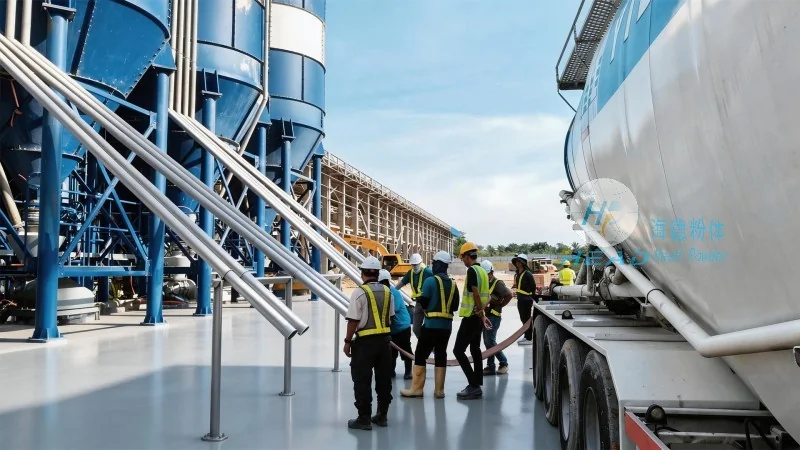
Reliability is enhanced through redundancy and backup systems. For critical applications, incorporating a secondary blower or backup power source can prevent interruptions in material transport. Additionally, the system should be designed with fail-safe mechanisms, such as automatic shut-off valves, to prevent material spillage or environmental contamination in case of an emergency.
The design of a glucose powder pneumatic conveying system must be tailored to the specific application, whether it's for a manufacturing plant, a storage facility, or a distribution center. For example, in a pharmaceutical or food processing plant, the system must meet stringent hygiene and safety standards. This may involve using sanitary fittings, easy-to-clean surfaces, and closed-loop systems to prevent cross-contamination.
In a large-scale industrial setting, the system may need to handle high volumes of glucose powder over long distances. In such cases, the design may include multiple conveying lines, intermediate storage silos, and automated feeding systems to ensure continuous operation. The system must also be scalable, allowing for future expansion as production needs grow.
For applications requiring precise dosing or blending, the system may incorporate additional equipment like feeders or mixers. These components work in conjunction with the pneumatic conveying system to ensure accurate material delivery and consistent product quality. The integration of these systems requires careful planning to avoid bottlenecks and ensure smooth operation.

 Shandong Headpowder Engineering Co., Ltd.
 156-6277-7102(Manager Zhang)
  0531-83386006
  Zhangqiu District, Jinan City, Shandong Province, China
telephone
WeChatconsult
top