With more than 10‑year industry experience, Shandong Headpowder delivers full‑service pneumatic‑conveying systems and blowers, undertaking nationwide turn‑key powder‑handling projects.
Cotton seed pneumatic conveying technology represents a sophisticated method for transporting cotton seeds efficiently and reliably. This technology utilizes air as the primary medium to move material through a system of pipes and equipment. The core principle involves creating a pressure differential that propels the cotton seeds forward, enabling seamless transfer from one location to another without the need for mechanical components like belts or buckets. By leveraging the power of air, this system minimizes friction and wear, leading to lower maintenance costs and enhanced operational longevity.
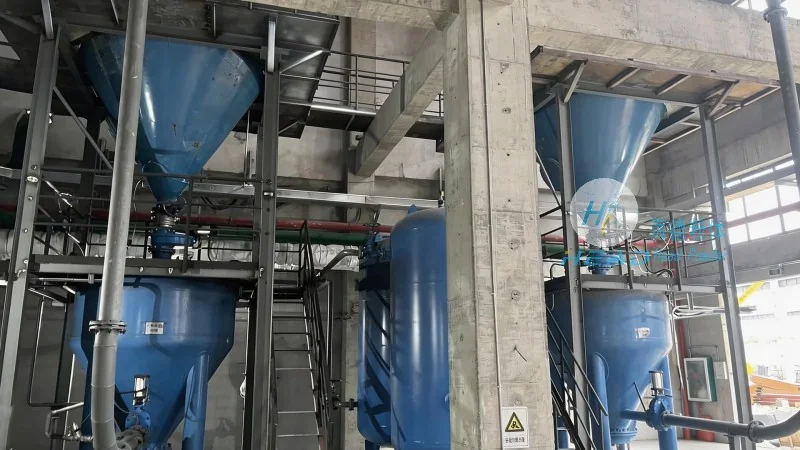
The fundamental principles of cotton seed pneumatic conveying revolve around the generation of airflow and the control of material flow. In a typical system, a blower or compressor creates a high-pressure air stream within the conveying line. As the cotton seeds are introduced into the system, they are entrained by the air and carried through the pipeline. The design of the system, including the size of the pipes, the velocity of the air, and the angle of the lines, all play critical roles in determining the efficiency and effectiveness of the conveying process. Properly engineered systems ensure that the cotton seeds are transported without damage, maintaining their quality and integrity throughout the process.
HeadPowder, a leading provider of engineering solutions, has successfully applied pneumatic conveying technology in various cotton seed processing applications. One primary use is in the transfer of raw cotton seeds from storage silos to processing facilities. This allows for a continuous and automated flow of material, reducing labor costs and improving production throughput. Additionally, the technology is utilized in the distribution of processed cotton seeds to storage or packaging areas, ensuring that the product reaches its destination in optimal condition. The versatility of pneumatic conveying also makes it suitable for handling cotton seeds with varying moisture content and sizes, adapting to the diverse needs of cotton seed processing operations.
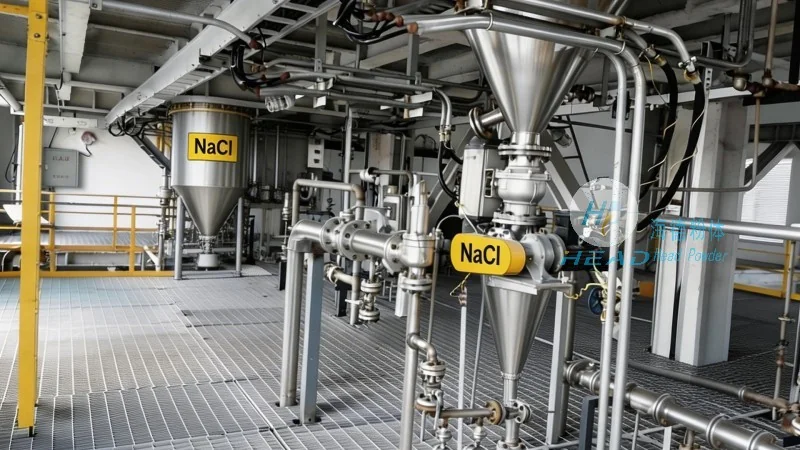
Implementing pneumatic conveying technology in cotton seed handling offers several significant advantages. Firstly, it significantly reduces the risk of material contamination and cross-contamination compared to mechanical systems. The enclosed pipeline system prevents exposure to external elements and contaminants, maintaining the purity of the cotton seeds. Secondly, the system minimizes product damage, as the air flow is gentle and controlled, avoiding the high impact forces associated with mechanical conveyors. This is particularly important for cotton seeds, which are delicate and can be easily bruised or broken. Thirdly, pneumatic conveying systems are highly scalable, allowing for adjustments in capacity based on production needs. This flexibility enables businesses to expand their operations without significant infrastructure changes. Finally, the reduced need for maintenance and lower energy consumption compared to traditional systems contribute to long-term cost savings and operational efficiency.
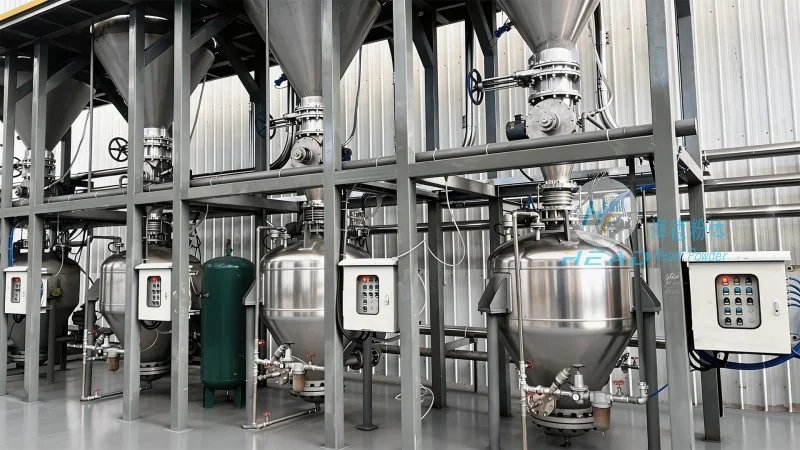
As the industry evolves, technological advancements continue to enhance the capabilities of cotton seed pneumatic conveying systems. Modern systems now incorporate advanced control systems that monitor and adjust air pressure, flow rates, and material feed rates in real-time. This automation ensures optimal performance and prevents system overloads or inefficiencies. Additionally, the use of high-efficiency blower technology and energy recovery systems has improved the overall energy efficiency of the conveying process. These innovations not only enhance the operational performance but also contribute to environmental sustainability by reducing energy consumption and emissions. Furthermore, the integration of sensors and data analytics allows for predictive maintenance, reducing downtime and extending the lifespan of the equipment.
The future of cotton seed pneumatic conveying technology is marked by a focus on automation, sustainability, and integration with broader industrial systems. As automation becomes more prevalent in manufacturing and processing, pneumatic conveying systems are expected to become more integrated with other equipment, such as sorting and cleaning machinery, creating comprehensive automated processing lines. Sustainability will also play a key role, with continued efforts to reduce energy consumption and minimize environmental impact. The development of more efficient materials and components, such as lightweight and corrosion-resistant pipes, will further enhance the durability and performance of the systems. Additionally, the adoption of digital twins and simulation tools will enable engineers to optimize system designs before implementation, leading to more efficient and cost-effective solutions. Overall, the trends indicate a move towards smarter, more efficient, and environmentally conscious cotton seed handling solutions.

 Shandong Headpowder Engineering Co., Ltd.
 156-6277-7102(Manager Zhang)
  0531-83386006
  Zhangqiu District, Jinan City, Shandong Province, China
telephone
WeChatconsult
top