With more than 10‑year industry experience, Shandong Headpowder delivers full‑service pneumatic‑conveying systems and blowers, undertaking nationwide turn‑key powder‑handling projects.
When it comes to transporting rice starch efficiently and safely, the choice of pneumatic conveying system is critical. Two primary methods dominate the industry: positive pressure conveying and negative pressure conveying. Understanding the differences between these two approaches is essential for optimizing material handling processes, especially in applications involving delicate or sensitive materials like rice starch. This article provides a detailed comparison of positive pressure and negative pressure conveying systems, highlighting their advantages, disadvantages, and ideal use cases. We will also explore how Shandong HeadPowder Engineering Co., Ltd., a leading provider of material handling solutions, leverages these technologies to deliver reliable and efficient conveying solutions for rice starch applications.
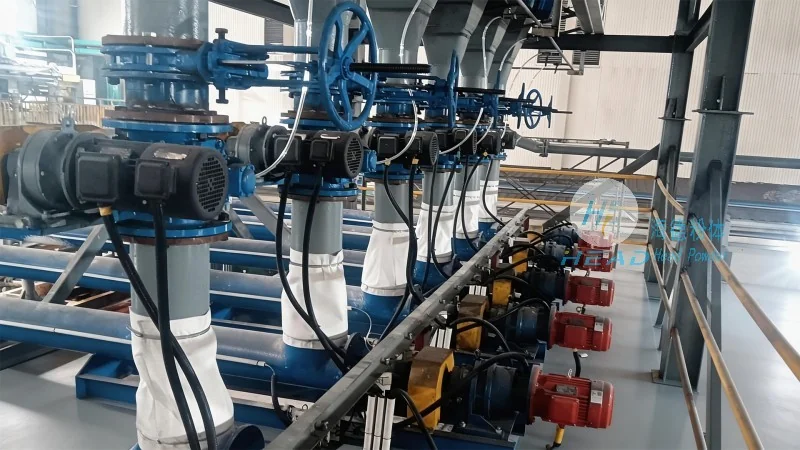
Pneumatic conveying is a method of transporting bulk materials through a pipeline using air or gas as the conveying medium. It offers several advantages over traditional mechanical conveying systems, including reduced equipment wear, lower maintenance costs, and the ability to handle a wide range of materials, from fine powders to granules. The two main types of pneumatic conveying are positive pressure and negative pressure systems, each with distinct characteristics and applications.
Positive pressure conveying, also known as pressure pneumatic conveying, operates by blowing air or gas into the conveying line under pressure. The material is fed into the system at the inlet, and the high-pressure air pushes the material through the pipeline to the discharge point. This method is particularly effective for transporting materials over long distances or through complex piping networks. The positive pressure system ensures that the material is continuously pushed forward, minimizing the risk of clogging or blockages.
For rice starch, positive pressure conveying is often preferred when the material needs to be transported from a central storage area to multiple processing units or when the conveying distance is significant. The high-pressure air maintains the material in suspension, preventing it from settling or clumping together, which could lead to system inefficiencies. Shandong HeadPowder Engineering Co., Ltd. specializes in designing and manufacturing positive pressure conveying systems tailored to the specific needs of rice starch producers, ensuring optimal performance and reliability.
Negative pressure conveying, or vacuum pneumatic conveying, works by creating a vacuum in the conveying line. The material is drawn into the system from the inlet, and the vacuum pulls the material through the pipeline to the discharge point. This method is typically used for shorter conveying distances and for materials that are less abrasive or less prone to clogging. The negative pressure system is generally more energy-efficient for short-distance applications, as it requires less power to create the vacuum compared to maintaining high pressure.
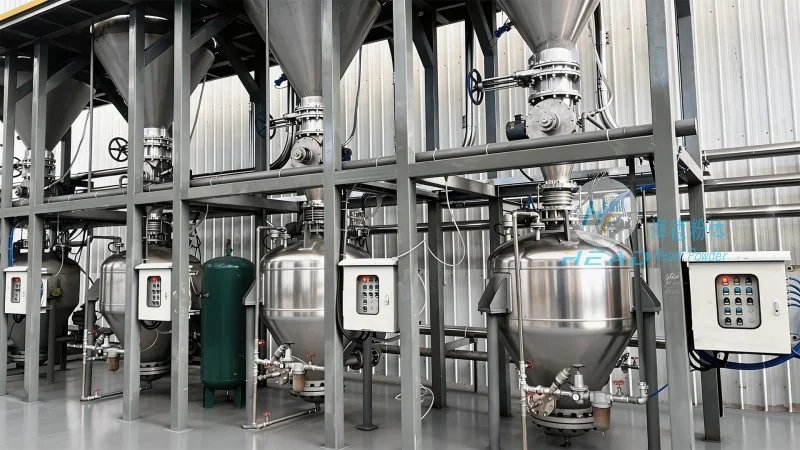
When handling rice starch, negative pressure conveying may be suitable for applications where the material is transported from a single source to a single destination, such as from a storage silo to a processing plant. However, it may not be as effective for long-distance or complex conveying routes, as the vacuum can weaken over time, potentially leading to material deposition or blockages in the pipeline. Shandong HeadPowder Engineering Co., Ltd. offers negative pressure conveying solutions that are optimized for rice starch, ensuring consistent performance and minimal maintenance.
Several key factors differentiate positive pressure and negative pressure conveying systems. The most significant difference is the direction of air flow and the pressure within the system. Positive pressure systems use high-pressure air to push the material, while negative pressure systems use a vacuum to pull the material. This affects the system's energy consumption, as positive pressure systems typically require more power to maintain pressure, whereas negative pressure systems are more energy-efficient for short distances.
Another critical difference is the material's behavior within the pipeline. In positive pressure systems, the material is suspended in high-pressure air, which helps prevent agglomeration and ensures smooth flow. In negative pressure systems, the material is drawn into the vacuum, which can sometimes lead to material settling or clumping if the vacuum is not maintained properly. For rice starch, which is a fine powder, positive pressure conveying is generally more effective at preventing clogging and maintaining consistent flow rates.
The design and maintenance requirements also differ between the two systems. Positive pressure systems often require more robust components, such as high-pressure pumps and seals, to handle the increased pressure. Negative pressure systems, on the other hand, may require more careful attention to filtration and air quality to prevent dust accumulation and maintain vacuum integrity. Shandong HeadPowder Engineering Co., Ltd. designs both types of systems with these factors in mind, ensuring that each solution is tailored to the specific characteristics of rice starch and the application requirements.
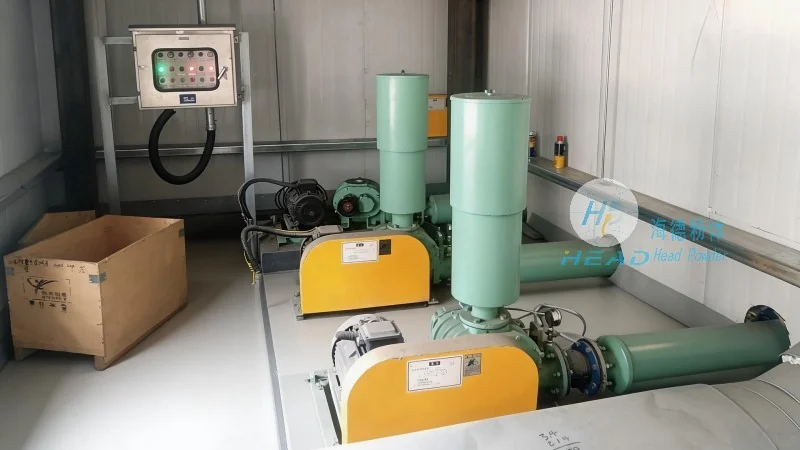
Positive pressure conveying offers several advantages for rice starch applications. It is highly effective for long-distance conveying, as the high-pressure air maintains the material in suspension and prevents blockages. It also provides better control over the material's flow rate and direction, making it suitable for complex piping networks. However, the main disadvantage is the higher energy consumption and the need for more robust equipment, which can increase initial costs and maintenance requirements.
Negative pressure conveying, while more energy-efficient for short distances, has its own set of advantages. It is generally less expensive to install and maintain, as it requires fewer high-pressure components. It is also more suitable for applications where the material is less abrasive or where the conveying distance is short. The primary disadvantage is the risk of material deposition and blockages, especially over longer distances or with fine powders like rice starch. This can lead to system downtime and increased maintenance costs.
Shandong HeadPowder Engineering Co., Ltd. evaluates each application to determine the most suitable conveying method. For rice starch producers, the choice often depends on factors such as the conveying distance, the number of discharge points, the material's properties, and the overall system budget. By understanding the advantages and disadvantages of each method, rice starch manufacturers can select the most efficient and cost-effective conveying solution.
Both positive and negative pressure conveying systems are widely used in rice starch processing plants. Positive pressure conveying is commonly used for transporting rice starch from storage silos to processing units, such as mills or centrifuges. The high-pressure air ensures that the material is delivered consistently and without clogging, which is crucial for maintaining production efficiency. Shandong HeadPowder Engineering Co., Ltd. has successfully implemented positive pressure conveying systems in several rice starch processing facilities, improving material handling efficiency and reducing downtime.
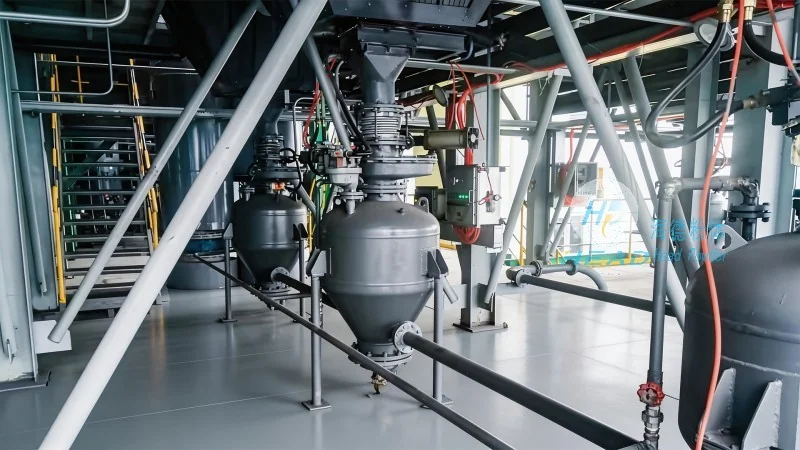
Negative pressure conveying is often used for shorter conveying distances, such as from a processing unit back to a storage silo or for transferring rice starch to packaging equipment. This method is particularly useful when the conveying distance is less than 100 meters and when the material is less prone to clogging. However, for applications involving fine rice starch powders, negative pressure systems may require additional filtration and maintenance to prevent dust accumulation and maintain vacuum integrity.
Shandong HeadPowder Engineering Co., Ltd. provides customized solutions for both scenarios, ensuring that rice starch producers can optimize their material handling processes. Whether using positive or negative pressure systems, the goal is to maintain consistent material flow, minimize system downtime, and ensure the quality of the rice starch product.
Choosing between positive pressure and negative pressure conveying for rice starch applications requires careful consideration of several factors, including conveying distance, material properties, system complexity, and energy efficiency. Positive pressure conveying is generally more suitable for long-distance or complex applications, while negative pressure conveying is better for short-distance or simpler systems. Shandong HeadPowder Engineering Co., Ltd. specializes in designing and manufacturing both types of systems, ensuring that rice starch producers can select the most appropriate solution for their specific needs.
By understanding the differences between positive and negative pressure conveying, rice starch manufacturers can make informed decisions that optimize their material handling processes, reduce costs, and improve overall production efficiency. Whether using positive or negative pressure systems, the key is to select a solution that is tailored to the material's characteristics and the application requirements. Shandong HeadPowder Engineering Co., Ltd. is committed to providing reliable and efficient conveying solutions that meet the unique needs of rice starch producers, helping them achieve their production goals with minimal downtime and maximum efficiency.

 Shandong Headpowder Engineering Co., Ltd.
 156-6277-7102(Manager Zhang)
  0531-83386006
  Zhangqiu District, Jinan City, Shandong Province, China
telephone
WeChatconsult
top