With more than 10‑year industry experience, Shandong Headpowder delivers full‑service pneumatic‑conveying systems and blowers, undertaking nationwide turn‑key powder‑handling projects.
HeadPowder, a leading engineering firm based in Shandong, China, specializes in advanced pneumatic conveying solutions tailored for the rice starch industry. This article delves into the technical nuances of pneumatic conveying systems, focusing on the comparison between positive and negative pressure modes to help industry professionals make informed decisions.
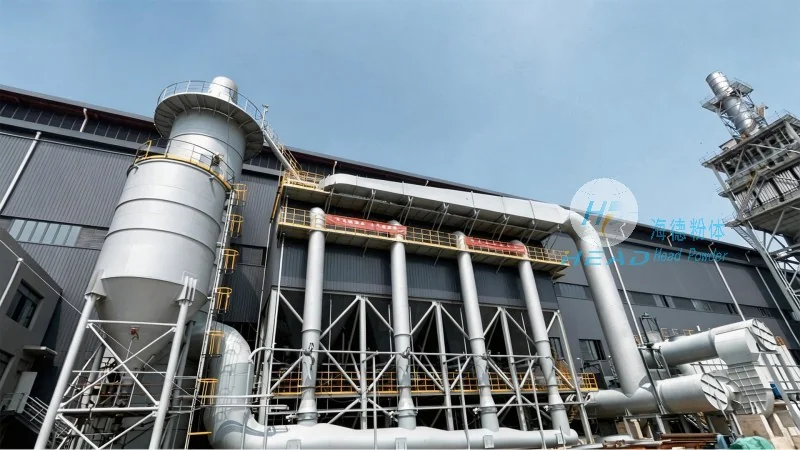
Pneumatic conveying is a critical process in the rice starch production line, enabling the efficient transport of bulk materials like rice starch from one stage to another. The technology involves the use of air or other gases to move particles through a pipeline, eliminating the need for mechanical components such as conveyors or elevators. For rice starch, which is a fine powder, selecting the right pneumatic conveying mode is essential to maintain product quality, minimize degradation, and ensure operational efficiency.
Positive pressure pneumatic conveying operates by blowing air or gas into the material to be conveyed, creating a pressure higher than the ambient air. This method is commonly used for short to medium-distance transport and is particularly suitable for materials that are non-abrasive and have low dust generation. In the context of rice starch, positive pressure systems can effectively handle the powder without causing excessive wear on the pipeline or equipment. The system typically includes a blower, a hopper, and a pipeline, with the air being introduced at the inlet to push the material forward.
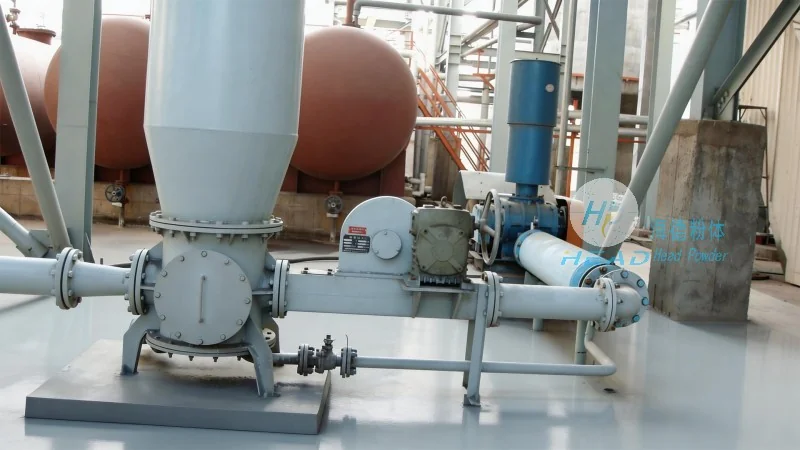
One of the primary advantages of positive pressure pneumatic conveying is its ability to handle a wide range of particle sizes and moisture content without clogging. The high air velocity ensures that even fine rice starch particles are transported smoothly. Additionally, positive pressure systems are generally more energy-efficient for shorter distances, as the pressure differential is maintained at a lower level compared to negative pressure systems. This makes them cost-effective for applications where the material is sourced from a nearby storage or processing unit.
Despite its benefits, positive pressure systems have certain limitations. The high air pressure can lead to increased energy consumption, especially over longer distances. Moreover, the system may not be suitable for materials that are highly abrasive or prone to generating dust, as the high-pressure air can cause wear and tear on the pipeline walls. Another consideration is the potential for air leakage, which can affect the overall efficiency and product quality. For rice starch, which is a fine powder, these factors need to be carefully evaluated to ensure optimal performance.
Negative pressure pneumatic conveying, also known as suction or vacuum conveying, operates by creating a vacuum in the pipeline, drawing the material into the system. This method is ideal for long-distance transport and is commonly used when the material needs to be collected from multiple points or from a distant source. In the rice starch industry, negative pressure systems are often employed to transport starch from storage silos to processing units, especially when the distance is significant.
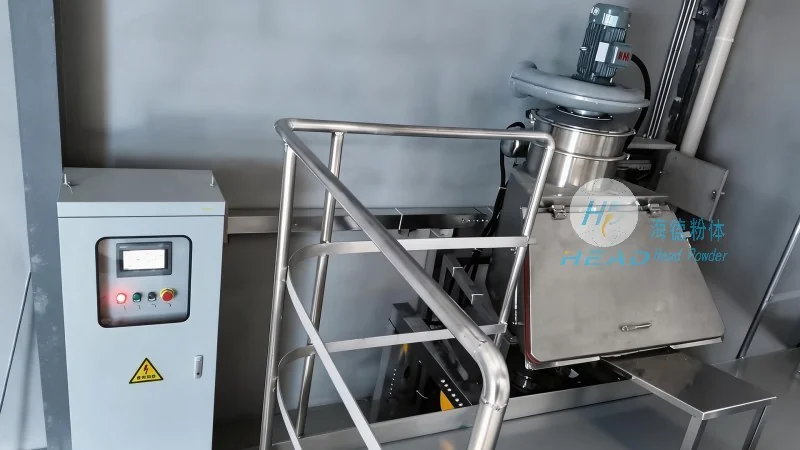
One of the main advantages of negative pressure systems is their ability to handle long-distance transport with minimal energy consumption. The vacuum created in the pipeline draws the material in, reducing the need for high-pressure air. This makes them more energy-efficient for longer distances compared to positive pressure systems. Additionally, negative pressure systems are less likely to cause product degradation due to the lower air velocity and reduced turbulence. This is particularly important for rice starch, which is sensitive to high temperatures and mechanical stress.
However, negative pressure systems have their own set of challenges. The primary drawback is the higher risk of dust generation and air leakage, which can lead to product loss and environmental issues. The vacuum created in the system may also cause the material to stick to the pipeline walls, especially if the rice starch is sticky or has high moisture content. Another consideration is the need for a high-efficiency filter system to capture the fine particles and prevent them from being released into the environment. For rice starch, which is a fine powder, these factors need to be addressed to maintain product purity and compliance with environmental regulations.
When comparing positive and negative pressure pneumatic conveying for rice starch, several factors come into play. The choice between the two modes depends on the specific application, distance, material characteristics, and operational requirements. For short to medium distances with non-abrasive materials, positive pressure systems are generally more suitable due to their efficiency and lower maintenance costs. For long-distance transport or when the material needs to be collected from multiple points, negative pressure systems offer better performance and energy efficiency.
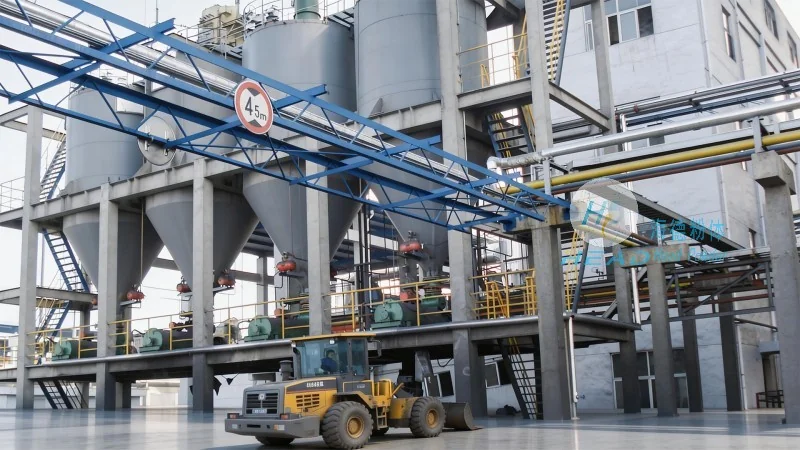
When selecting a pneumatic conveying system for rice starch processing, several key factors should be considered. The first is the distance of transport, as this directly impacts the choice between positive and negative pressure modes. Longer distances typically favor negative pressure systems due to their lower energy consumption. The second factor is the material characteristics, including particle size, moisture content, and abrasiveness. Fine rice starch particles may require higher air velocity, which can be better managed in positive pressure systems. The third factor is the system layout and the need for multiple inlets or outlets, as negative pressure systems are more flexible in this regard. Finally, the operational costs, including energy consumption and maintenance, should be evaluated to ensure the chosen system provides the best return on investment.
Both positive and negative pressure pneumatic conveying systems offer viable solutions for rice starch transport, each with its own set of advantages and limitations. Positive pressure systems are ideal for short to medium distances and non-abrasive materials, providing efficient and cost-effective transport. Negative pressure systems, on the other hand, are better suited for long-distance transport and applications requiring flexibility in material collection. By carefully evaluating the specific requirements of the rice starch processing plant, including distance, material characteristics, and operational constraints, industry professionals can select the most appropriate pneumatic conveying mode to ensure optimal performance, product quality, and operational efficiency.

 Shandong Headpowder Engineering Co., Ltd.
 156-6277-7102(Manager Zhang)
  0531-83386006
  Zhangqiu District, Jinan City, Shandong Province, China
telephone
WeChatconsult
top