With more than 10‑year industry experience, Shandong Headpowder delivers full‑service pneumatic‑conveying systems and blowers, undertaking nationwide turn‑key powder‑handling projects.
For industrial operations dealing with bulk materials like cement dust, the cement dust pneumatic conveyor emerges as a critical solution for efficient material handling. This equipment is designed to transport dry or semi-dry powders through a pipeline using compressed air, offering a flexible and reliable method for moving materials without the need for mechanical components like belts or buckets. Understanding its design principles and operational mechanics is essential for optimizing performance in various industrial settings.
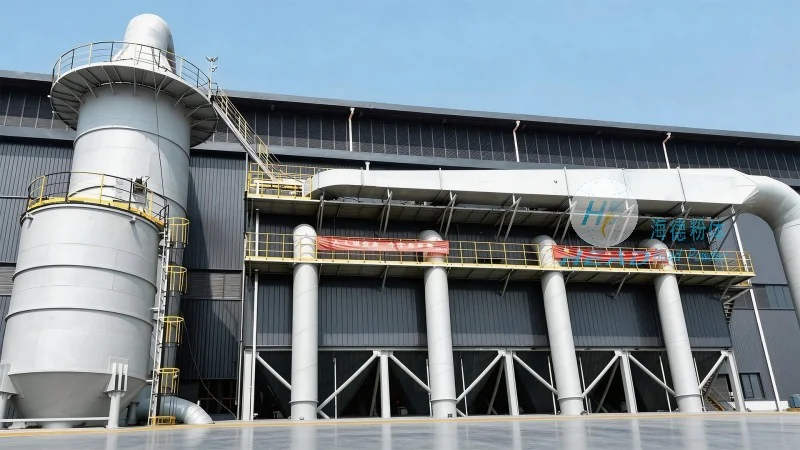
The cement dust pneumatic conveyor, also known as a pneumatic conveyor system, is a type of material handling equipment that utilizes air pressure to transport bulk materials. In the context of cement dust, this system is specifically engineered to handle the fine, dry particles commonly found in cement production and processing facilities. The primary function of this equipment is to move cement dust from one location to another within a facility, such as from a storage silo to a processing unit or from a production line to a packaging area. The system operates by creating a vacuum or pressure differential within a pipeline, which draws the cement dust particles into the conveyor and transports them to the desired destination. This method eliminates the need for traditional mechanical conveyors, which can be prone to blockages, maintenance issues, and material degradation.
The design of a cement dust pneumatic conveyor is based on several key principles to ensure efficient and reliable operation. The first principle is the use of a closed pipeline system, which prevents dust from escaping into the environment and maintains a controlled environment for material transport. The system typically consists of a series of components, including a hopper for material feeding, a blower or compressor to generate the necessary air pressure, a pipeline network for transporting the material, and a discharge unit for releasing the material at the destination. The hopper is designed to hold a sufficient quantity of cement dust, allowing for continuous feeding into the conveyor. The blower or compressor provides the energy required to move the material through the pipeline, with the pressure or vacuum level being adjusted based on the material's properties and the distance to be covered. The pipeline network is constructed from materials that are resistant to corrosion and abrasion, such as stainless steel or special alloys, to withstand the abrasive nature of cement dust. The discharge unit is designed to release the material in a controlled manner, preventing dust clouds and ensuring a smooth transition from the conveyor to the next process step.
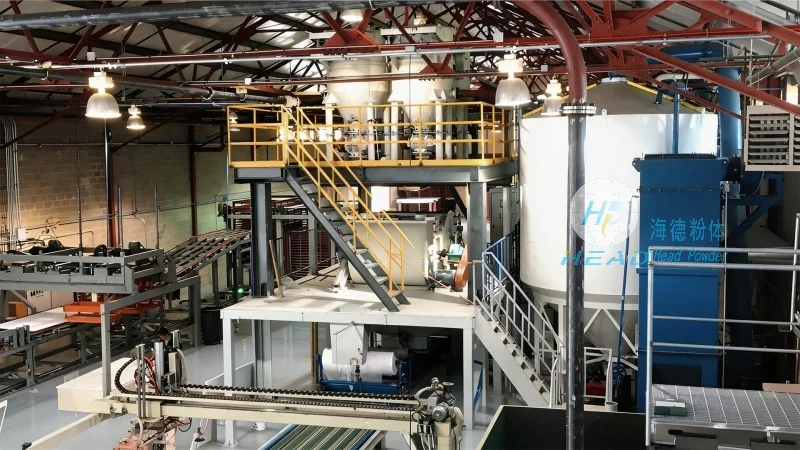
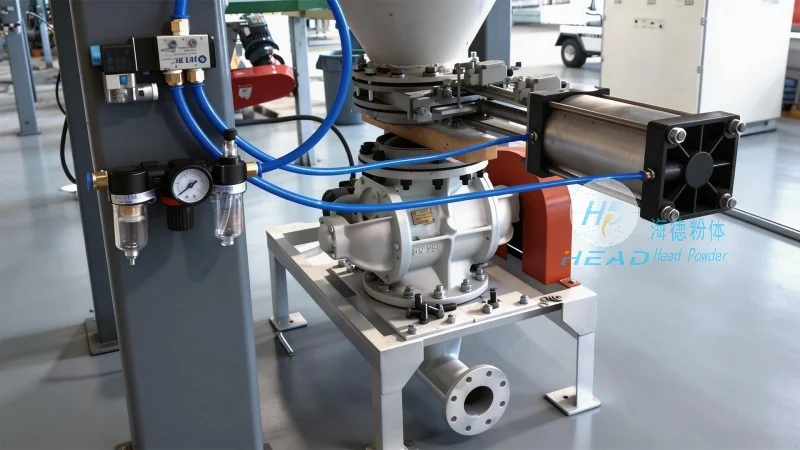
The operation of a cement dust pneumatic conveyor involves a series of steps that work together to transport the material efficiently. The process begins with the cement dust being fed into the hopper from a storage silo or a production line. The hopper is equipped with a feeder mechanism, such as a rotary valve or a screw feeder, which controls the flow rate of the material into the conveyor. Once the material enters the hopper, it is drawn into the pipeline by the pressure or vacuum created by the blower or compressor. The air and material mixture travels through the pipeline at a controlled velocity, ensuring that the material is transported without causing blockages or excessive wear on the pipeline. At the discharge end of the pipeline, the material is separated from the air using a cyclone separator or a filter, and the cement dust is collected in a collection bin or directly into a processing unit. The air, now free of dust, is either recirculated back into the system or released into the environment, depending on the system design. This process is continuous, allowing for the steady flow of cement dust from the source to the destination, with minimal downtime and maintenance.
The cement dust pneumatic conveyor offers several advantages over traditional mechanical conveyors, making it a preferred choice for many industrial applications. One of the primary advantages is its ability to handle fine, dry powders without causing degradation or segregation of the material. The closed pipeline system prevents the material from being exposed to the environment, which helps maintain its quality and prevents contamination. Another advantage is the flexibility of the system, as the pipeline can be configured in various shapes and sizes to accommodate different layouts and distances. The system is also relatively compact and can be installed in tight spaces, making it suitable for facilities with limited floor space. Additionally, the cement dust pneumatic conveyor is easy to maintain and requires less maintenance compared to mechanical conveyors, as there are no moving parts that can wear out or break. The system is also energy-efficient, as the air pressure can be adjusted to match the material's properties and the distance to be covered, reducing energy consumption. Finally, the system is safe to operate, as it eliminates the need for manual handling of bulk materials, reducing the risk of accidents and injuries.
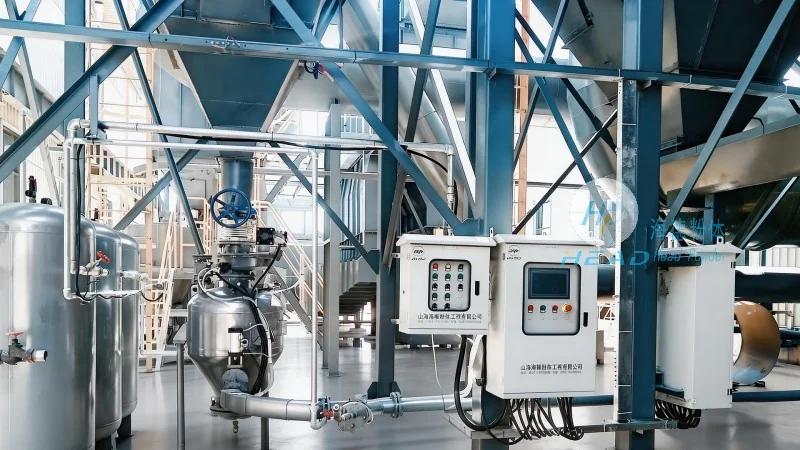
The cement dust pneumatic conveyor is widely used in various industrial applications, particularly in the cement industry. It is commonly used to transport cement dust from storage silos to grinding mills, from the grinding mills to the packaging units, and from the packaging units to the loading areas. The system is also used in other industries that handle fine powders, such as the chemical, pharmaceutical, and food industries. For example, in the chemical industry, the cement dust pneumatic conveyor can be used to transport chemicals from storage tanks to processing units, while in the pharmaceutical industry, it can be used to transport pharmaceutical powders from production lines to packaging areas. The system is also used in the food industry to transport food powders, such as flour or sugar, from storage bins to processing units. The cement dust pneumatic conveyor is also used in other applications, such as in the mining industry to transport ore dust from mining sites to processing plants.
In conclusion, the cement dust pneumatic conveyor is a critical piece of equipment for efficient material handling in industrial settings. Its design principles and operational mechanics are based on the use of a closed pipeline system and compressed air to transport fine, dry powders. The system offers several advantages over traditional mechanical conveyors, including flexibility, compactness, and low maintenance. The cement dust pneumatic conveyor is widely used in various industries, particularly in the cement industry, and is an essential tool for optimizing material flow and improving operational efficiency. As industrial operations continue to evolve, the cement dust pneumatic conveyor will remain a vital component of material handling systems, providing reliable and efficient transport of bulk materials.

 Shandong Headpowder Engineering Co., Ltd.
 156-6277-7102(Manager Zhang)
  0531-83386006
  Zhangqiu District, Jinan City, Shandong Province, China
telephone
WeChatconsult
top