With more than 10‑year industry experience, Shandong Headpowder delivers full‑service pneumatic‑conveying systems and blowers, undertaking nationwide turn‑key powder‑handling projects.
Clay pneumatic conveying is a critical process in material handling, especially for transporting clay and similar bulk materials. This technology uses air to move particles through a pipeline, offering advantages over traditional mechanical conveying methods. The choice between positive pressure and negative pressure systems significantly impacts efficiency, cost, and operational safety. This analysis delves into the technical aspects of both modes, highlighting their applications and performance characteristics.
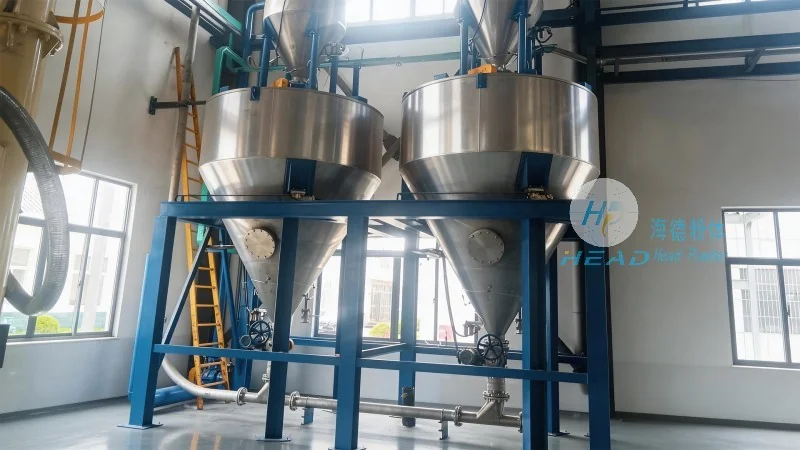
Pneumatic conveying systems rely on air flow to transport dry bulk materials like clay. The core principle involves creating a pressure differential to move material through a sealed pipeline. These systems are widely used in industries such as ceramics, construction, and agriculture due to their ability to handle fine powders and abrasive materials without mechanical wear. The two primary modes—positive pressure and negative pressure—differ in how they generate the pressure differential and manage material flow.
Positive pressure systems operate by forcing air and material through the pipeline using a blower or compressor at the inlet. This mode is often preferred for long-distance or high-capacity applications. The positive pressure ensures that the entire system is under pressure, preventing external air from entering and contaminating the material. For clay, which can be sensitive to moisture and contamination, this feature is particularly beneficial. The system typically includes a hopper, a rotary valve, and a blower, with the material being drawn from the hopper and conveyed through the pipeline. Positive pressure systems are generally more efficient for transporting large volumes of material over extended distances, as they maintain consistent air flow and pressure. However, they require robust sealing and can be more expensive to install and maintain due to the higher pressure requirements.
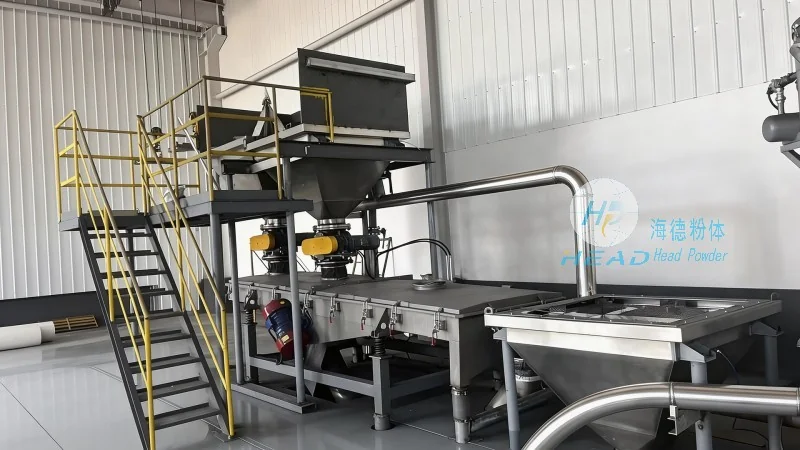
Negative pressure systems, also known as vacuum or suction systems, work by creating a vacuum at the discharge end of the pipeline. Air and material are drawn into the system from the material source, and the vacuum pulls the material through the pipeline to the collection point. This mode is often used for shorter distances or when the material source is at a higher elevation than the destination. Negative pressure systems are generally more cost-effective for shorter runs and can handle materials that are less abrasive or less sensitive to moisture. The system includes a vacuum pump, a hopper, and a rotary valve, with the material being drawn from the hopper and conveyed through the pipeline under vacuum. While negative pressure systems are simpler and cheaper to install, they may not be suitable for long-distance or high-volume applications due to limitations in suction capacity and potential for material degradation from prolonged exposure to air.
When comparing positive and negative pressure systems for clay pneumatic conveying, several factors come into play. Positive pressure systems typically offer higher conveying rates and are more suitable for long-distance transport, while negative pressure systems are better for shorter distances and less demanding applications. The choice also depends on the material's properties, such as particle size, moisture content, and abrasiveness. For clay, which is often fine and moisture-sensitive, positive pressure systems may provide better protection against contamination and moisture loss. However, negative pressure systems can be more economical for smaller-scale operations or when the material source is nearby. Performance metrics such as pressure drop, air velocity, and material velocity are critical in evaluating system efficiency. Positive pressure systems generally maintain higher air velocities, ensuring consistent material flow, whereas negative pressure systems may experience lower velocities, potentially leading to material settling or blockages.
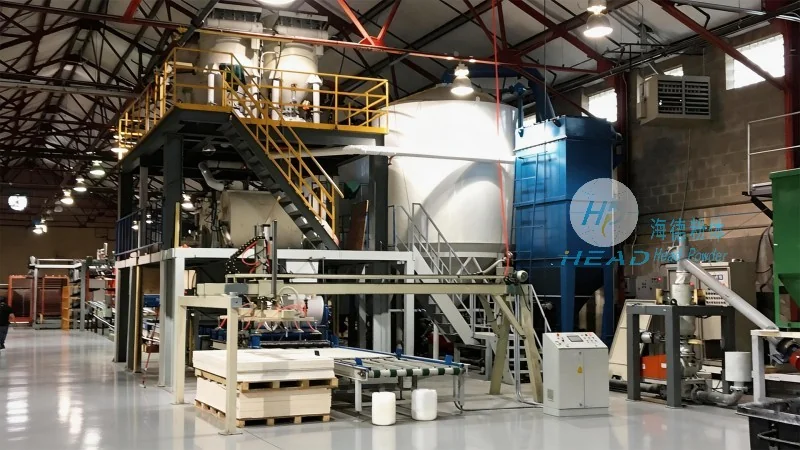
The selection of a pneumatic conveying system for clay depends on the specific application requirements. For example, in ceramic manufacturing, where clay is used to produce tiles or pottery, positive pressure systems may be preferred to maintain the quality of the raw material. In construction, where clay is used as a raw material for bricks or mortar, negative pressure systems might be suitable for shorter transport distances within a plant. The system design must also consider the environmental impact, as both modes can generate dust and require proper filtration to comply with air quality regulations. Additionally, the cost of energy consumption and maintenance should be evaluated, as positive pressure systems may have higher energy costs due to the continuous operation of the blower.
In conclusion, both positive and negative pressure pneumatic conveying systems have distinct advantages and limitations for clay handling. Positive pressure systems are generally more efficient for long-distance, high-volume applications and offer better protection against contamination and moisture loss. Negative pressure systems are more economical for shorter distances and less demanding operations. The choice should be based on the specific material properties, application requirements, and operational constraints. For optimal performance, it is recommended to conduct a thorough analysis of the material characteristics and system requirements before selecting a system. Companies like Shandong HeadPowder Engineering Co., Ltd. specialize in designing and manufacturing customized pneumatic conveying solutions tailored to the unique needs of clay handling operations, ensuring efficient and reliable material transport.

 Shandong Headpowder Engineering Co., Ltd.
 156-6277-7102(Manager Zhang)
  0531-83386006
  Zhangqiu District, Jinan City, Shandong Province, China
telephone
WeChatconsult
top