With more than 10‑year industry experience, Shandong Headpowder delivers full‑service pneumatic‑conveying systems and blowers, undertaking nationwide turn‑key powder‑handling projects.
Caustic soda, also known as sodium hydroxide, is a widely used chemical in various industrial processes, including chemical manufacturing, water treatment, and textile production. The efficient and safe transportation of caustic soda is crucial for maintaining operational efficiency and ensuring workplace safety. Pneumatic conveying technology offers a reliable solution for handling this corrosive material, with two primary modes: positive pressure and negative pressure systems. This article provides a detailed analysis of these two modes, highlighting their operational principles, advantages, and applications.

Positive pressure systems are the most common type of pneumatic conveying for caustic soda. In this mode, the conveying air is supplied under pressure, typically using a blower or a positive displacement pump. The material is drawn into the system through a hopper or a feeder, and the pressurized air forces the material along the pipeline. The positive pressure ensures that the material is continuously moved through the system, preventing blockages and ensuring a consistent flow rate. This system is particularly suitable for long-distance conveying and for handling large quantities of caustic soda. The high pressure also helps to maintain the material's integrity, reducing the risk of degradation or caking. The positive pressure system is also easier to maintain and repair, as the components are less prone to wear and tear compared to negative pressure systems.
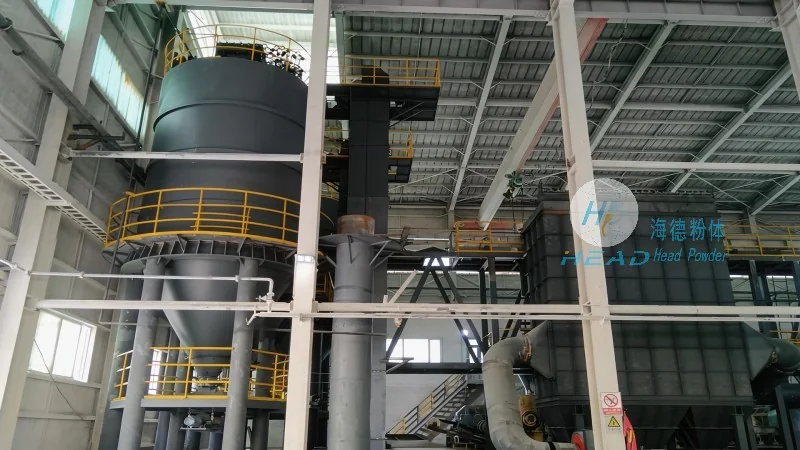
Negative pressure systems, also known as suction systems, operate by creating a vacuum in the conveying line. The material is drawn into the system by the suction created by a fan or an ejector. The material is then carried along the pipeline by the suction force, and the air is filtered and released back into the environment. The negative pressure system is ideal for applications where the material needs to be collected from multiple points or where the material is sensitive to high pressure. This system is also more suitable for short-distance conveying and for handling smaller quantities of caustic soda. The negative pressure system is less likely to cause dust emissions compared to positive pressure systems, as the material is drawn into the system rather than being blown out. However, the negative pressure system requires more careful maintenance to prevent air leaks, which can reduce the suction efficiency and increase the risk of material spillage.
When choosing between positive and negative pressure systems for caustic soda pneumatic conveying, several factors need to be considered. The primary consideration is the distance and the quantity of material to be conveyed. Positive pressure systems are generally more suitable for long-distance and high-volume conveying, while negative pressure systems are better for short-distance and low-volume applications. Another important factor is the material's properties, such as its moisture content and particle size. Materials with high moisture content or large particle sizes may require a positive pressure system to prevent blockages. The cost of the system is also a significant factor. Positive pressure systems are generally more expensive to install and maintain compared to negative pressure systems, but they offer higher conveying efficiency and reliability. The negative pressure system is more cost-effective for short-distance conveying, but it may require more frequent maintenance to ensure optimal performance.
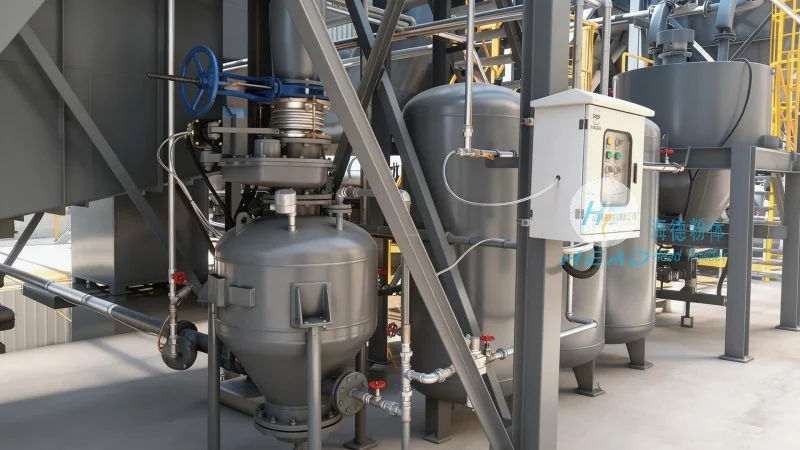
The pneumatic conveying of caustic soda is widely used in various industries. In the chemical industry, caustic soda is used as a raw material for the production of other chemicals, such as sodium carbonate and sodium hypochlorite. The positive pressure system is commonly used to transport caustic soda from storage tanks to production lines, ensuring a continuous supply of the material. In the water treatment industry, caustic soda is used to adjust the pH of water and to remove impurities. The negative pressure system is often used to collect caustic soda from waste water treatment plants, as it allows for the safe and efficient removal of the material from the system. In the textile industry, caustic soda is used in the processing of cotton and other natural fibers. The positive pressure system is used to transport caustic soda from storage tanks to the dyeing and finishing machines, ensuring that the material is delivered to the correct location at the right time. The negative pressure system is used to collect caustic soda from the waste water generated during the processing of the fibers, as it allows for the safe and efficient removal of the material from the system.

 Shandong Headpowder Engineering Co., Ltd.
 156-6277-7102(Manager Zhang)
  0531-83386006
  Zhangqiu District, Jinan City, Shandong Province, China
telephone
WeChatconsult
top