With more than 10‑year industry experience, Shandong Headpowder delivers full‑service pneumatic‑conveying systems and blowers, undertaking nationwide turn‑key powder‑handling projects.
When considering pneumatic conveying systems for seasoning products, the decision between positive pressure and negative pressure systems is a pivotal choice that impacts operational efficiency, product integrity, and overall costs. As a leading industry expert, Shandong HeadPowder Engineering Co., Ltd. specializes in delivering tailored material handling solutions for diverse bulk material applications, including the unique demands of seasoning powders and granules. This article provides a comprehensive overview to help you understand the fundamental distinctions between positive and negative pressure pneumatic conveying systems, enabling you to make an informed selection for your seasoning product handling operations.
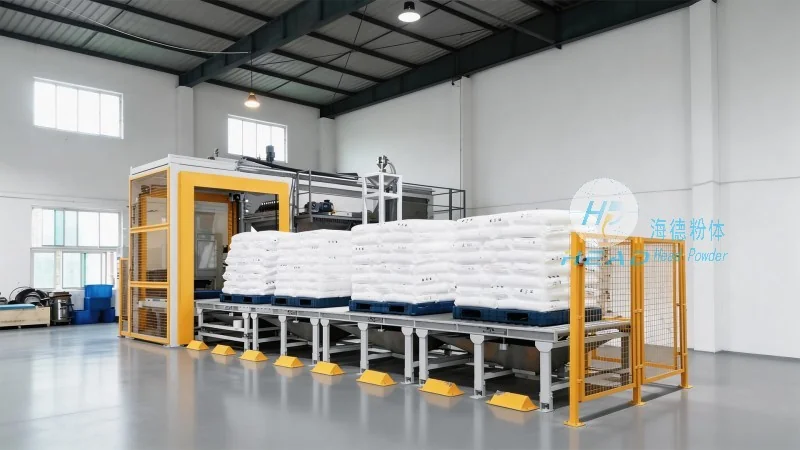
Pneumatic conveying utilizes air or gas as the medium to transport bulk materials through pipelines. The two primary system types—positive pressure and negative pressure—differ fundamentally in how they generate the necessary pressure to move material. Positive pressure systems force air into the pipeline, while negative pressure systems create a vacuum by drawing air out, thereby pulling material into the system.
Positive pressure systems are widely adopted in the seasoning industry due to their versatility in handling various materials, including fine powders and granules. These systems employ a positive displacement blower or centrifugal fan to push air and material through the pipeline. The continuous pressure ensures smooth material flow, preventing blockages and maintaining consistent transport. For delicate seasoning products like spices, herbs, and flavor enhancers, positive pressure systems offer critical advantages. They handle materials gently, minimizing friction and particle breakdown, which preserves flavor and texture. This makes them ideal for sensitive seasonings that require careful handling to maintain quality.
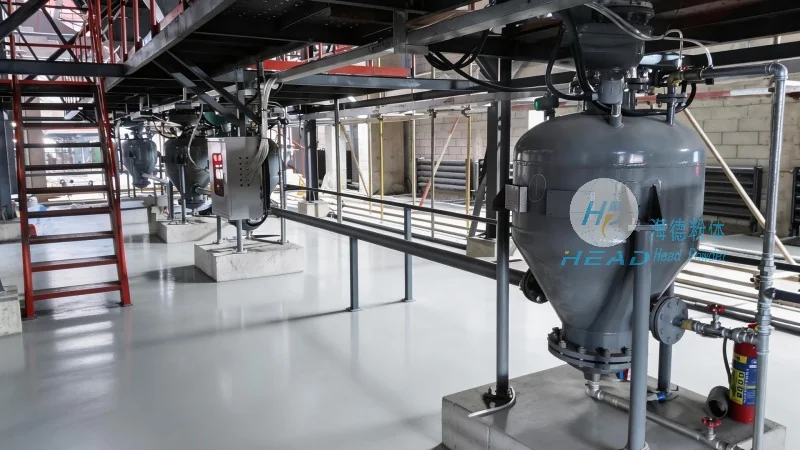
Negative pressure systems operate by creating a vacuum in the pipeline, drawing material from the source into the system. This approach is often preferred for applications where material is collected from multiple points and transported to a central processing or packaging area. Negative pressure systems are generally more energy-efficient as they do not require high-pressure air to push material, but they may present challenges with fine powders prone to dusting or clogging. For seasoning products, negative pressure systems can be effective when dealing with larger granules or when the material is less prone to particle separation. They are particularly suited for collecting material from bulk storage or production lines and delivering it to a single processing location.
Several key factors differentiate positive and negative pressure pneumatic conveying systems, especially when applied to seasoning products. These include pressure requirements, material handling capabilities, energy consumption, and system complexity. Positive pressure systems typically demand higher air pressure to ensure material movement, which can increase operational costs but offers superior control over flow rates. They excel in long-distance transport and fine powder handling. Negative pressure systems, while more economical in energy use, may have limitations with very fine or dusty materials due to increased risk of clogging and higher maintenance needs. The design of inlet and outlet components also varies, affecting how effectively each system can handle seasoning products and maintain material integrity.
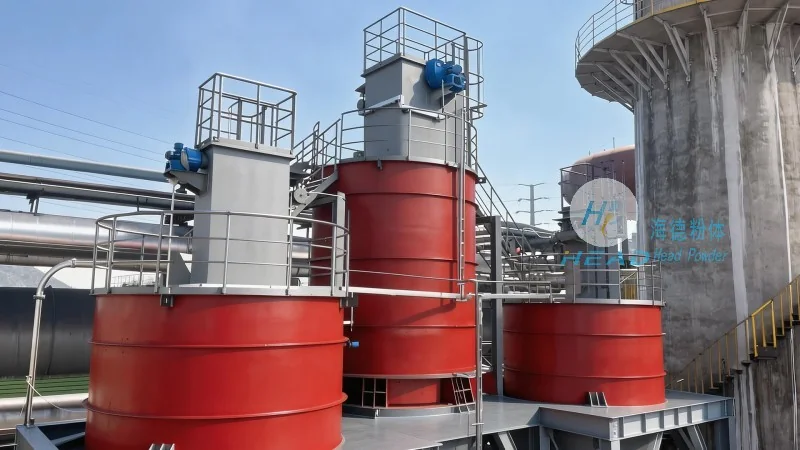
When selecting between positive and negative pressure systems for seasoning products, several critical factors must be evaluated. First, the material characteristics are paramount. Fine powders and delicate seasonings often benefit from positive pressure systems due to their gentle handling. Second, the system layout and distance matter; long-distance transport typically requires positive pressure to maintain sufficient pressure throughout the pipeline. Third, energy efficiency and operational costs play a role—negative pressure systems may be more economical for shorter distances or less prone-to-clog materials. Fourth, system complexity and maintenance requirements differ: positive pressure systems may have more moving parts and higher maintenance needs, while negative pressure systems may have simpler designs but require more frequent cleaning to prevent dust accumulation.
Choosing between positive and negative pressure pneumatic conveying systems for seasoning products requires a thorough assessment of your operational needs. Shandong HeadPowder Engineering Co., Ltd. provides expert consultation and customized solutions to help you determine the most suitable system. By understanding the trade-offs in material handling, energy use, and operational considerations, you can select a system that optimizes efficiency, maintains product quality, and reduces long-term costs. Whether you opt for a positive pressure or negative pressure system, the goal is to achieve reliable, cost-effective transport of your seasoning products while preserving their flavor, texture, and overall quality.

 Shandong Headpowder Engineering Co., Ltd.
 156-6277-7102(Manager Zhang)
  0531-83386006
  Zhangqiu District, Jinan City, Shandong Province, China
telephone
WeChatconsult
top