With more than 10‑year industry experience, Shandong Headpowder delivers full‑service pneumatic‑conveying systems and blowers, undertaking nationwide turn‑key powder‑handling projects.
For agricultural and industrial operations, efficient material handling is crucial, especially when dealing with bulk materials like fertilizers. A fertilizer pneumatic conveying system is a specialized equipment solution designed to transport granular or powdered fertilizers from one location to another using air pressure or vacuum. This technology offers a cost-effective and reliable method for moving large volumes of fertilizer, reducing the need for manual labor and minimizing material loss. The design principles behind these systems are critical to their performance, safety, and efficiency.
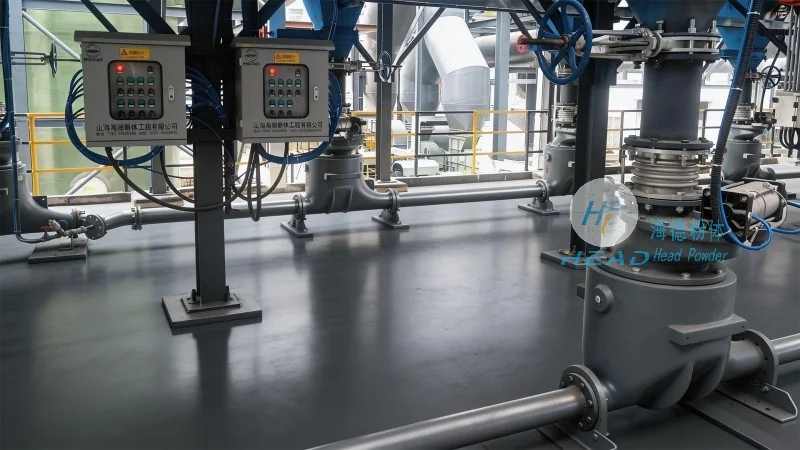
HeadPowder, a leading manufacturer based in Shandong, China, specializes in the design, manufacturing, and installation of advanced pneumatic conveying systems tailored for the fertilizer industry. With years of experience, HeadPowder has developed robust solutions that meet the demanding requirements of modern agricultural and chemical processing facilities. The company’s commitment to quality and innovation ensures that their systems are built to last, providing long-term value to clients worldwide.
The core of a fertilizer pneumatic conveying system lies in its design, which is tailored to handle the specific characteristics of fertilizer materials. These systems typically operate on either positive pressure or negative pressure (vacuum) to move material through a network of pipes. The choice between these two methods depends on factors such as the distance of material transport, the type of fertilizer, and the desired system efficiency. Positive pressure systems use compressed air to push material forward, while vacuum systems use suction to draw material into the system. Both approaches have their advantages and are selected based on the specific application requirements.
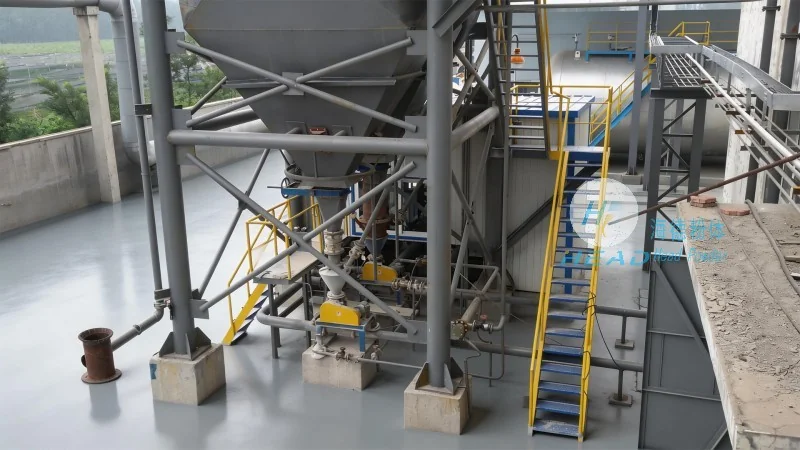
A typical fertilizer pneumatic conveying system consists of several key components, each playing a vital role in the overall operation. These include the material feed hopper, which holds the fertilizer and regulates the flow into the system; the air compressor or vacuum pump, which provides the necessary pressure or suction; the conveying line, which transports the material; and the discharge hopper or silo, where the fertilizer is deposited. The system may also include additional components such as cyclones, filters, and dust collectors to ensure the material is handled safely and efficiently. The working mechanism involves feeding the fertilizer into the hopper, where it is mixed with air under pressure or vacuum, and then transported through the pipes to the discharge point. The air-fertilizer mixture is separated at the discharge end, with the fertilizer collected and the air either released or recirculated.
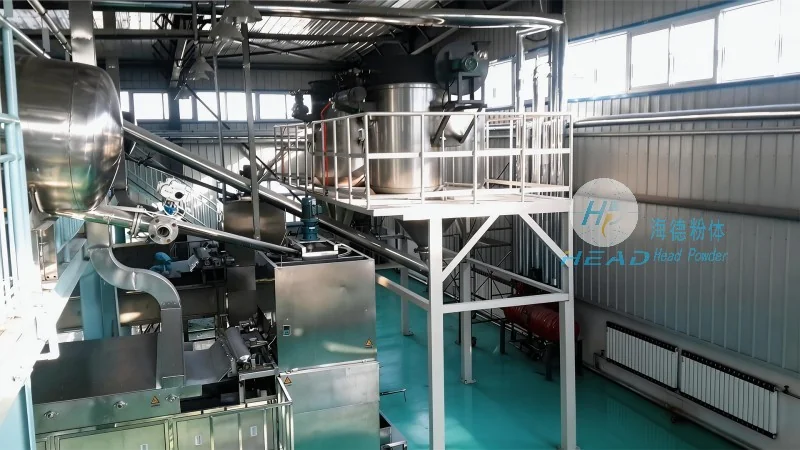
Implementing a fertilizer pneumatic conveying system offers numerous benefits for businesses in the agricultural and chemical sectors. One of the primary advantages is the significant reduction in labor costs, as the system automates the material handling process, eliminating the need for manual loading and unloading. This not only increases operational efficiency but also improves workplace safety by reducing the risk of accidents associated with manual handling. Additionally, pneumatic conveying systems minimize material loss during transport, as the enclosed system prevents spillage and contamination. The technology also allows for precise control over the flow rate and pressure, ensuring consistent and reliable delivery of fertilizer to storage or processing facilities. Furthermore, these systems are adaptable to various fertilizer types, including granular, powdered, and even bulk materials, making them versatile for different applications.
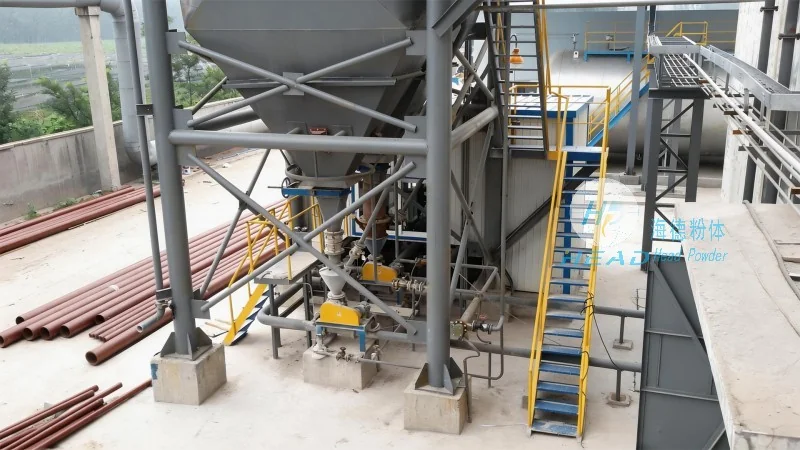
Fertilizer pneumatic conveying systems are widely used in various stages of the fertilizer production and distribution process. In manufacturing facilities, they are employed to transport raw materials such as urea, ammonium nitrate, and other chemical components from storage silos to processing equipment. During the production process, these systems help move intermediate products between different processing stages, ensuring a smooth and continuous workflow. In storage and distribution centers, pneumatic conveying systems efficiently transfer finished fertilizers from production lines to storage silos or loading areas, facilitating quick and accurate inventory management. The technology is also utilized in agricultural settings, where it can be used to transport fertilizers from storage facilities to application equipment on farms, improving the efficiency of fertilizer application and reducing waste.
Ensuring the long-term performance and reliability of a fertilizer pneumatic conveying system requires proper maintenance and regular inspections. HeadPowder emphasizes the importance of routine maintenance to prevent system downtime and extend the lifespan of the equipment. Key maintenance tasks include checking and replacing air filters to prevent dust buildup, inspecting and cleaning cyclones and filters to maintain efficient material separation, and monitoring the condition of the conveying line for any signs of wear or damage. Regular maintenance also involves checking the performance of the air compressor or vacuum pump to ensure it operates within optimal parameters. By adhering to a proper maintenance schedule, users can maximize the efficiency and lifespan of their pneumatic conveying systems, ensuring consistent and reliable operation.

 Shandong Headpowder Engineering Co., Ltd.
 156-6277-7102(Manager Zhang)
  0531-83386006
  Zhangqiu District, Jinan City, Shandong Province, China
telephone
WeChatconsult
top