With more than 10‑year industry experience, Shandong Headpowder delivers full‑service pneumatic‑conveying systems and blowers, undertaking nationwide turn‑key powder‑handling projects.
When it comes to transporting resin particles via pneumatic systems, the choice between positive pressure and negative pressure conveying is a critical decision that impacts efficiency, cost, and operational safety. Understanding the fundamental differences between these two methods is essential for selecting the most suitable solution for specific industrial applications. This article provides a detailed comparison of positive pressure and negative pressure conveying systems, focusing on key factors such as system design, operational principles, and practical considerations for resin particle handling.
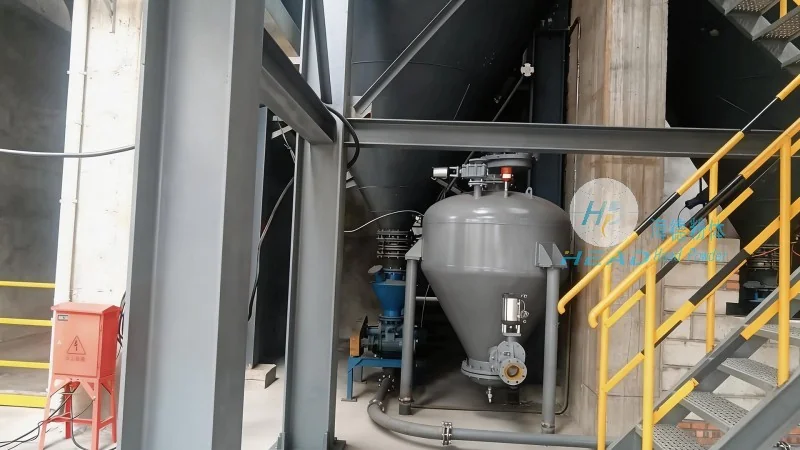
Pneumatic conveying is a technology that uses air or gas to transport solid materials, including resin particles, through a pipeline. The two primary modes of operation are positive pressure and negative pressure systems. Both methods rely on the movement of air to move particles, but they differ significantly in how they generate the necessary pressure differentials and manage material flow.
Positive pressure conveying systems operate by blowing air or gas into the conveying line, creating a pressure higher than the ambient air pressure. This method is particularly effective for transporting resin particles over longer distances or through complex network configurations. The primary advantages of positive pressure systems include higher conveying velocities, which can reduce system size and improve material throughput. Additionally, positive pressure systems are generally more suitable for abrasive or high-density resin particles, as the higher air velocity helps maintain particle separation and prevents clogging.
For resin particle applications, positive pressure conveying is often preferred in scenarios where the material needs to be transported from a central storage area to multiple processing points or when dealing with high-volume production lines. The system's ability to handle long distances and complex routing makes it ideal for large-scale manufacturing environments. Furthermore, positive pressure systems typically require less maintenance compared to negative pressure systems, as the air is continuously filtered and recycled, reducing the risk of contamination.
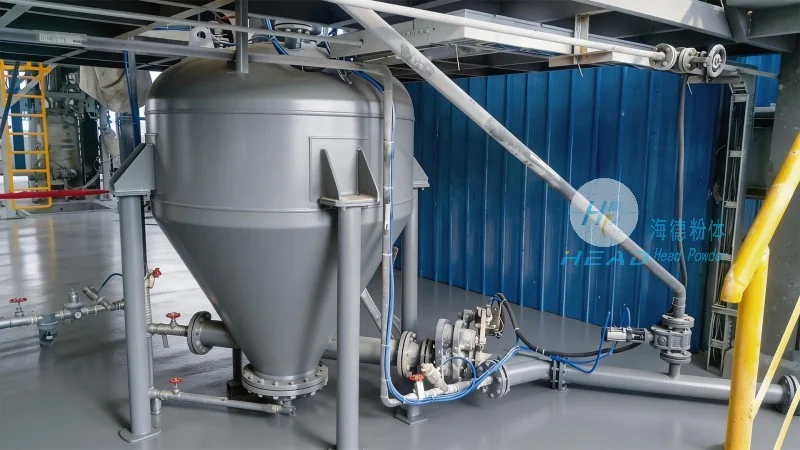
Negative pressure conveying, also known as vacuum conveying, works by creating a vacuum in the conveying line, which draws resin particles from the source into the system. This method is commonly used for shorter conveying distances and when the material is to be collected from multiple points. The main benefits of negative pressure systems include lower energy consumption and reduced noise levels compared to positive pressure systems. Negative pressure conveying is particularly advantageous for handling fine or dust-like resin particles, as the vacuum helps prevent particle loss and ensures consistent material flow.
However, negative pressure systems have limitations when dealing with high-volume or abrasive resin particles. The lower air velocity in vacuum systems can lead to increased wear on components and a higher risk of clogging, especially with resin particles that have a high density or are prone to agglomeration. Additionally, negative pressure systems require more careful design to prevent air leaks, as any breach can compromise the vacuum and reduce conveying efficiency.
When deciding between positive pressure and negative pressure conveying for resin particles, several key factors must be evaluated. The first consideration is the conveying distance and system layout. Positive pressure systems are better suited for longer distances and complex networks, while negative pressure systems are more appropriate for shorter distances and simple, linear configurations. The second factor is the nature of the resin particles, including their size, density, and abrasiveness. High-density or abrasive particles are typically better handled by positive pressure systems due to their higher air velocities and ability to maintain particle separation. Conversely, fine or low-density particles may benefit from negative pressure systems, as the vacuum helps prevent loss and ensures smooth flow.
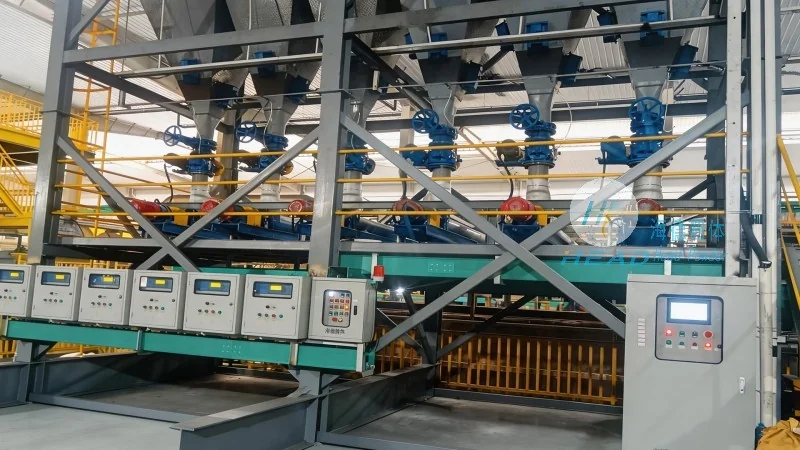
Energy consumption and operational costs are also critical factors. Positive pressure systems generally consume more energy due to the continuous air blow, but they offer higher throughput and lower maintenance requirements. Negative pressure systems, while more energy-efficient, may require more frequent maintenance and have higher initial costs due to the need for robust vacuum pumps and filtration systems. Finally, safety considerations play a role in the selection process. Positive pressure systems are less likely to release particles into the environment, making them suitable for applications where dust control is essential. Negative pressure systems, however, require careful sealing to prevent air and particle leakage, which can pose health and safety risks.
Choosing between positive pressure and negative pressure conveying for resin particles requires a thorough analysis of the specific application requirements. Positive pressure systems are ideal for high-volume, long-distance, and complex conveying scenarios, particularly with abrasive or high-density resin particles. Negative pressure systems, on the other hand, are better suited for shorter distances, fine particles, and applications where energy efficiency and low noise levels are priorities. By carefully evaluating factors such as conveying distance, particle characteristics, energy consumption, and safety requirements, industrial operators can select the most efficient and cost-effective pneumatic conveying system for their resin particle handling needs.
Shandong HeadPowder Engineering Co., Ltd., a leading provider of pneumatic conveying solutions, specializes in designing and manufacturing customized systems tailored to the unique needs of resin particle applications. With decades of experience in the industry, HeadPowder offers a range of positive and negative pressure conveying systems, ensuring optimal performance and reliability for clients across China and beyond. The company's commitment to quality and innovation has made it a trusted partner for businesses seeking to enhance their material handling processes and improve overall operational efficiency.

 Shandong Headpowder Engineering Co., Ltd.
 156-6277-7102(Manager Zhang)
  0531-83386006
  Zhangqiu District, Jinan City, Shandong Province, China
telephone
WeChatconsult
top