With more than 10‑year industry experience, Shandong Headpowder delivers full‑service pneumatic‑conveying systems and blowers, undertaking nationwide turn‑key powder‑handling projects.
For industrial applications requiring efficient and reliable transport of dry powder mortar, the design of a pneumatic conveying system is critical to ensure optimal performance, safety, and longevity. As a leading provider in the field, Shandong HeadPowder Engineering Co., Ltd. (referred to as HeadPowder) specializes in the development and implementation of advanced pneumatic conveying solutions tailored to the unique demands of the dry powder mortar industry. This article outlines key design considerations that contribute to the success of such systems, emphasizing the expertise and commitment of HeadPowder to deliver high-quality, customized solutions.
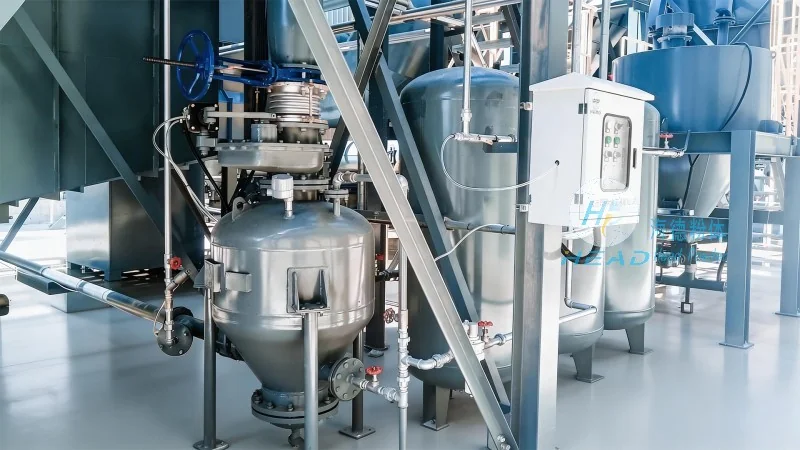
Before delving into specific design aspects, it is essential to grasp the fundamental principles of pneumatic conveying. This technology involves the use of air or gas to transport dry materials through a pipeline system. For dry powder mortar, which typically consists of cement, sand, additives, and other components, the conveying process must be designed to handle the material's physical properties, such as particle size, moisture content, and flowability. The choice between positive and negative pressure systems, as well as the selection of appropriate air velocities and pipeline diameters, are foundational decisions that impact system efficiency and material integrity.
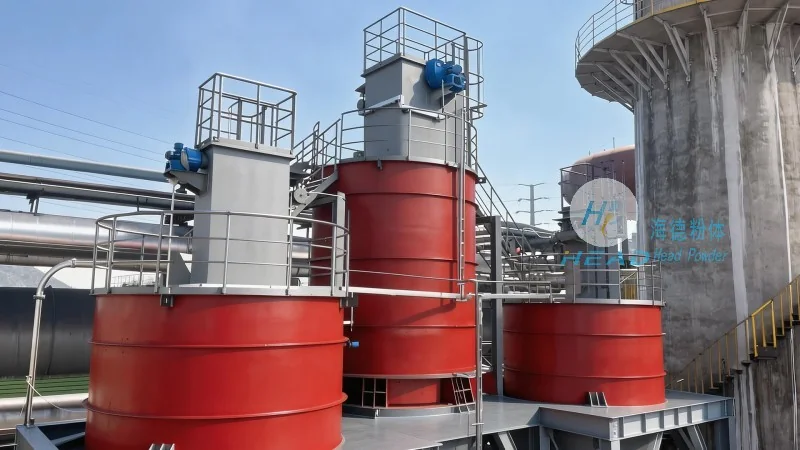
Several critical factors must be considered during the design phase to ensure the pneumatic conveying system operates effectively and meets the operational requirements of the dry powder mortar production or application process. These considerations include:
Shandong HeadPowder Engineering Co., Ltd. leverages its extensive experience and technical expertise to design and implement customized pneumatic conveying systems for dry powder mortar applications. The company's team of engineers works closely with clients to understand their specific operational needs, material characteristics, and budget constraints. Through a comprehensive consultation process, HeadPowder develops tailored solutions that address the unique challenges of each project. For example, for a client requiring long-distance transport of fine cement powder, HeadPowder designed a positive pressure system with a 150mm pipeline diameter and a pressure of 0.8 MPa, achieving a throughput of 20 tons per hour with minimal material degradation. Another project involved a negative pressure system for a short-distance conveying of sand and additives, where the system was optimized to reduce energy consumption by 15% compared to conventional designs.
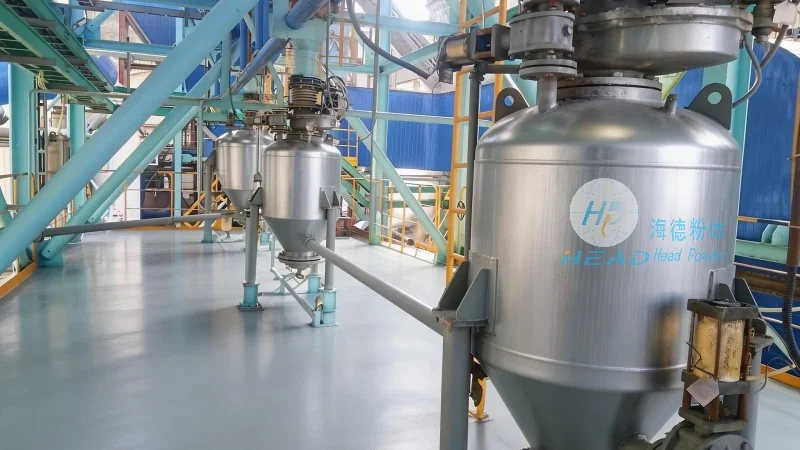
The design of a pneumatic conveying system for dry powder mortar is a complex process that requires careful consideration of material properties, system pressure, pipeline layout, and equipment integration. By adhering to these key design considerations, industries can achieve efficient, reliable, and cost-effective material transport. Shandong HeadPowder Engineering Co., Ltd. remains committed to providing innovative and customized solutions that meet the evolving needs of the dry powder mortar industry. With a focus on quality, safety, and sustainability, HeadPowder continues to be a trusted partner for businesses seeking to optimize their material handling processes.

 Shandong Headpowder Engineering Co., Ltd.
 156-6277-7102(Manager Zhang)
  0531-83386006
  Zhangqiu District, Jinan City, Shandong Province, China
telephone
WeChatconsult
top