With more than 10‑year industry experience, Shandong Headpowder delivers full‑service pneumatic‑conveying systems and blowers, undertaking nationwide turn‑key powder‑handling projects.
When designing a pneumatic conveying system for aluminum hydride powder, several critical factors must be considered to ensure efficiency, safety, and longevity of the system. Aluminum hydride is a reactive material that requires specialized handling to prevent premature decomposition or ignition, making the design process more complex than traditional bulk material transport. This article outlines key design considerations for such systems, emphasizing the importance of material compatibility, system pressure management, and safety protocols.
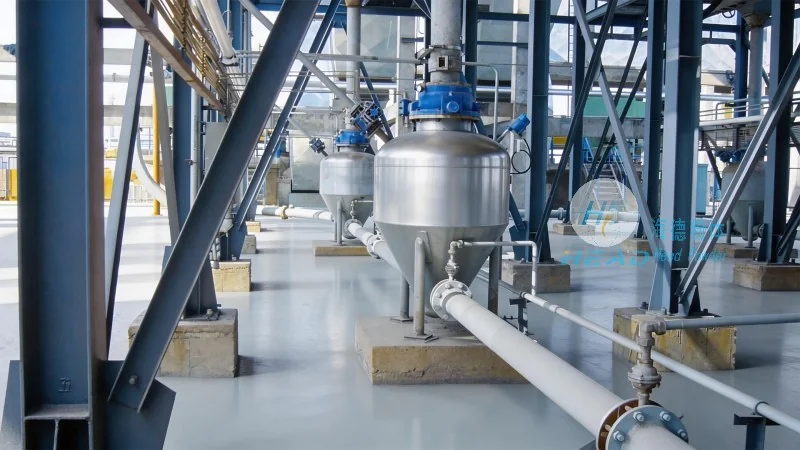
Choosing the appropriate pneumatic conveying system type is the first step in designing an effective aluminum hydride powder handling solution. The two primary categories are pressure and vacuum systems. Pressure systems, which use positive pressure to move material, are generally preferred for aluminum hydride due to their ability to handle reactive powders with less risk of air ingress that could trigger exothermic reactions. Vacuum systems, while useful for certain applications, may introduce more air into the system, increasing the risk of oxidation or ignition. For aluminum hydride, a pressure system is typically recommended to maintain a controlled environment and minimize exposure to atmospheric conditions.
Material compatibility is another critical aspect. All components of the conveying system, including pipes, valves, and pumps, must be resistant to the chemical properties of aluminum hydride. The material often reacts with certain metals, such as iron or steel, leading to corrosion or contamination. Therefore, selecting materials like stainless steel (specifically 316L or higher grades) or specialized alloys that are inert to aluminum hydride is essential. Additionally, the system should be designed to prevent moisture ingress, as water can react with aluminum hydride to produce hydrogen gas, which is flammable and poses a safety hazard.
Effective pressure management is crucial for the smooth operation of aluminum hydride pneumatic conveying systems. The system must maintain a consistent pressure to ensure uniform material flow and prevent blockages or surges. Pressure levels are typically determined based on the material's properties, such as its bulk density and flowability. Aluminum hydride has a relatively low bulk density compared to other powders, which may require higher air velocities to achieve proper transport. However, excessive air velocity can lead to erosion of system components and increased energy consumption. Therefore, optimizing the pressure and air velocity is vital to balance efficiency and durability.
Flow control devices, such as rotary air locks and control valves, play a significant role in regulating the material flow rate. These components must be designed to handle the abrasive nature of aluminum hydride powder without causing excessive wear. The selection of flow control equipment should consider the material's particle size distribution and potential for agglomeration. Properly sized and maintained flow control devices help prevent clogging and ensure the system operates within safe pressure limits.
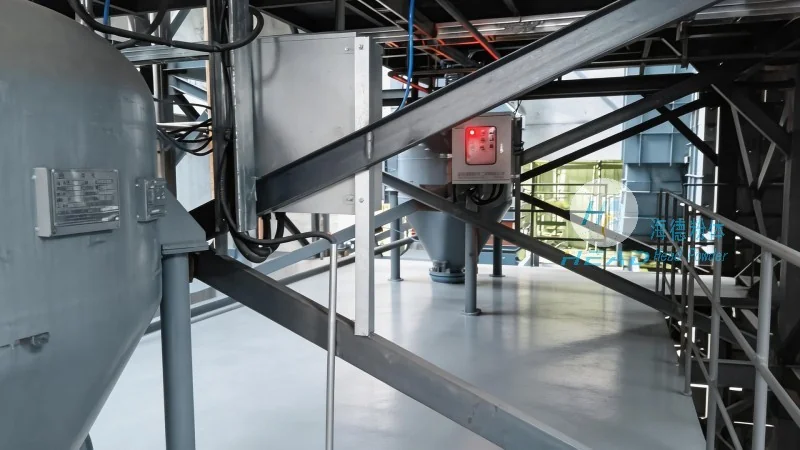
Sealing is a critical design consideration to prevent the release of aluminum hydride powder into the environment and to maintain the integrity of the system. The system must be designed with tight seals at all joints, connections, and equipment interfaces to avoid leaks. This is particularly important for reactive materials like aluminum hydride, as even small leaks can lead to hazardous situations. The sealing components should be made of materials compatible with aluminum hydride and should be regularly inspected and maintained to ensure their effectiveness.
Containment systems, including dust collection and ventilation, are also essential. Aluminum hydride is a fine powder that can create dust clouds, which are both a health hazard and a fire risk. The system should be equipped with efficient dust collection equipment, such as cyclones or baghouses, to capture and remove airborne particles. Proper ventilation is necessary to maintain a safe working environment and prevent the accumulation of explosive dust concentrations. The design should also include emergency shutdown procedures to quickly isolate the system in case of a leak or other incident.
Safety is paramount when handling aluminum hydride powder, and the design of the pneumatic conveying system must incorporate robust safety measures. The system should be equipped with pressure relief valves to prevent over-pressurization, which could lead to system failure or explosion. Additionally, temperature monitoring devices should be installed to detect any exothermic reactions or overheating, which could indicate a potential fire or explosion risk. Early detection of such conditions allows for immediate action to mitigate hazards.

Emergency shutdown systems are another critical component. In the event of a fire, explosion, or other emergency, the system must be able to shut down quickly and safely. This includes isolating the material source, stopping the air supply, and activating the dust collection system to prevent further spread of dust or fire. The design should also consider the presence of fire suppression systems, such as inert gas or foam, which can be activated to extinguish fires in the event of an incident.
Regular maintenance is essential to ensure the long-term performance and safety of the aluminum hydride pneumatic conveying system. The system should be designed with easy access to components for inspection and maintenance. This includes access panels on pipes and equipment, as well as clear labeling of all components and safety instructions. Routine maintenance tasks should include checking for leaks, inspecting seals and gaskets, and cleaning or replacing worn parts. The frequency of maintenance should be based on the system's operating hours and the material's properties, with more frequent checks during high-demand periods.
Operational considerations also include training for personnel. All operators and maintenance staff should be trained on the safe handling of aluminum hydride and the proper operation of the conveying system. This includes understanding the risks associated with the material, such as its reactivity and flammability, and knowing how to respond to emergencies. Proper training helps ensure that the system is operated within safe parameters and reduces the risk of accidents.
Designing a pneumatic conveying system for aluminum hydride powder requires careful consideration of material compatibility, pressure management, sealing, safety, and maintenance. By addressing these factors, engineers can create a system that is efficient, safe, and durable. The expertise of companies like Shandong HeadPowder Engineering Co., Ltd., with their focus on specialized material handling solutions, is invaluable in ensuring that such systems are designed and implemented correctly. By adhering to these design considerations, industries can safely and effectively transport aluminum hydride powder while minimizing risks and maximizing operational efficiency.

 Shandong Headpowder Engineering Co., Ltd.
 156-6277-7102(Manager Zhang)
  0531-83386006
  Zhangqiu District, Jinan City, Shandong Province, China
telephone
WeChatconsult
top