With more than 10‑year industry experience, Shandong Headpowder delivers full‑service pneumatic‑conveying systems and blowers, undertaking nationwide turn‑key powder‑handling projects.
When designing a pneumatic conveying system for light calcium carbonate, several critical factors must be considered to ensure efficiency, reliability, and cost-effectiveness. Light calcium carbonate, a widely used industrial material, requires specialized handling due to its fine particle size and low bulk density. A well-engineered system not only optimizes material transport but also minimizes operational risks and maintenance costs. This article outlines key design considerations that professionals in the field should address when developing such systems.
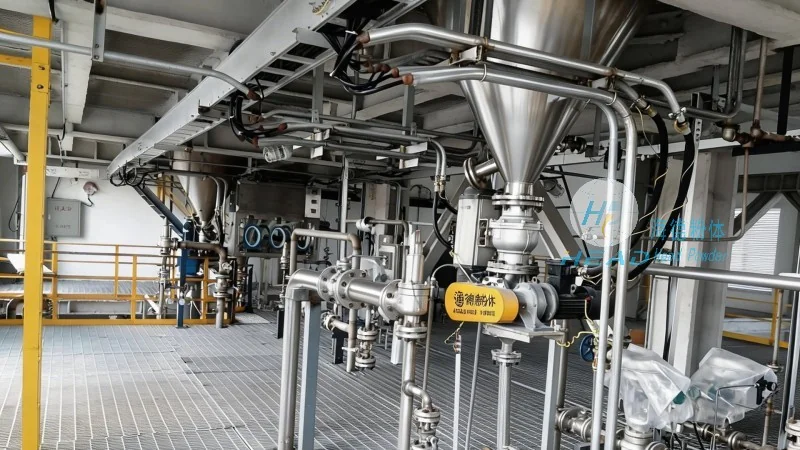
The success of a light calcium carbonate pneumatic conveying system hinges on meticulous planning across multiple technical domains. First, the selection of the appropriate conveying method—whether dense phase or dilute phase—depends on the material's properties and the distance to be covered. Dense phase conveying, which uses higher air velocities and lower material concentrations, is often preferred for light calcium carbonate to prevent particle degradation and maintain product quality. Conversely, dilute phase systems are suitable for shorter distances or when lower pressure is available. The choice of pipeline diameter, material flow rate, and air velocity must be carefully calculated to avoid excessive pressure drops or particle segregation.
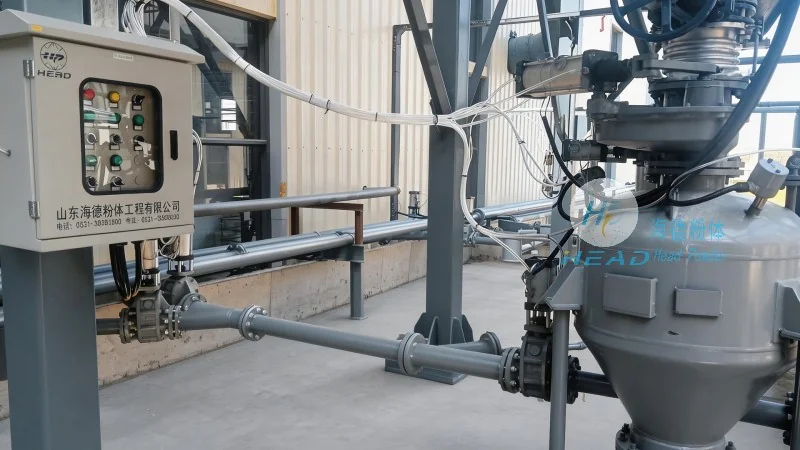
Equipment selection is a pivotal aspect of system design. The hopper and feeder are critical components that control the material feed rate and prevent blockages. For light calcium carbonate, which can be prone to bridging or caking, a rotary valve or screw feeder with anti-clogging features is recommended. The hopper should be designed with a conical bottom and a smooth interior to facilitate material flow and reduce the risk of agglomeration. Additionally, the use of a pre-separation or filtration system may be necessary to remove moisture or fine particles that could affect downstream processes. The selection of air compressors and filters is equally important, as they must provide consistent air pressure and purity to maintain system performance.
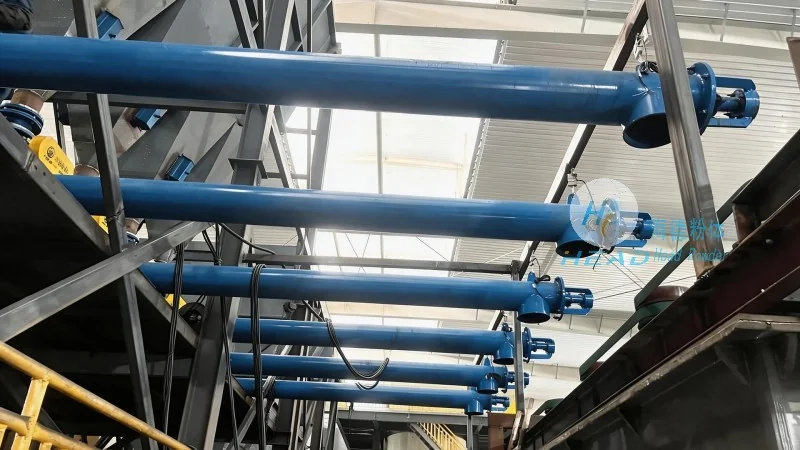
Integrating the pneumatic conveying system with other industrial processes requires careful consideration of control mechanisms. Automated control systems, such as PLC (Programmable Logic Controller) based controls, enable real-time monitoring of pressure, flow rate, and material levels. This not only enhances operational efficiency but also allows for quick adjustments in response to changes in production demand. The system should also include safety features, such as pressure relief valves and emergency shut-off mechanisms, to prevent accidents and protect personnel. Proper integration with existing infrastructure, including storage silos and processing equipment, ensures seamless material flow and minimizes downtime.
Long-term system performance depends on regular maintenance and operational best practices. Regular inspection of pipelines for wear, corrosion, or blockages is essential to prevent system failures. The use of high-quality materials, such as stainless steel or corrosion-resistant alloys, for critical components extends the system's lifespan and reduces maintenance costs. Additionally, implementing a preventive maintenance schedule, including filter changes and compressor checks, ensures consistent system performance and reduces unexpected downtime. Training operators on proper system operation and troubleshooting procedures is also crucial for maintaining efficiency and extending the system's operational life.
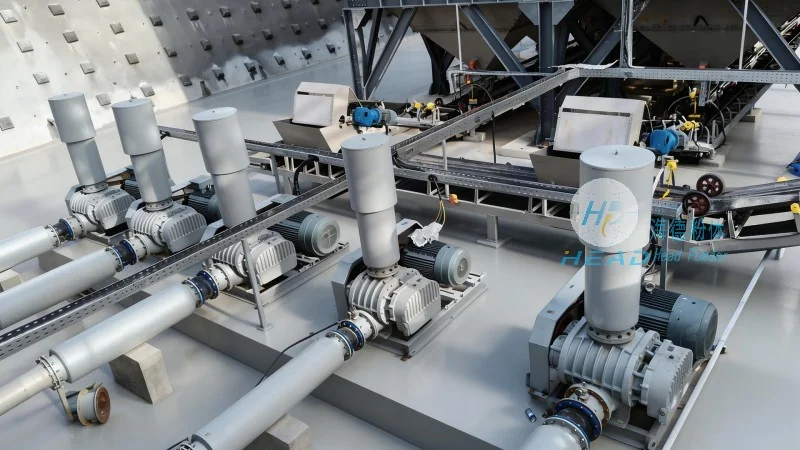
Designing a pneumatic conveying system for light calcium carbonate demands a comprehensive approach that balances technical requirements with operational considerations. By addressing factors such as conveying method, equipment selection, system control, and maintenance, engineers can develop a system that maximizes efficiency, minimizes costs, and ensures product quality. Shandong HeadPowder Engineering Co., Ltd., a leading provider of industrial engineering solutions, specializes in the design and implementation of such systems. With a focus on innovation and customer-centric solutions, the company delivers tailored pneumatic conveying systems that meet the unique needs of its clients. HeadPowder's expertise in material handling and process engineering ensures that clients receive reliable, efficient, and cost-effective solutions for their light calcium carbonate transportation needs. Based in Shandong, China, the company leverages its local knowledge and industry experience to provide comprehensive support throughout the project lifecycle, from initial design to post-installation maintenance.

 Shandong Headpowder Engineering Co., Ltd.
 156-6277-7102(Manager Zhang)
  0531-83386006
  Zhangqiu District, Jinan City, Shandong Province, China
telephone
WeChatconsult
top