With more than 10‑year industry experience, Shandong Headpowder delivers full‑service pneumatic‑conveying systems and blowers, undertaking nationwide turn‑key powder‑handling projects.
Denitration fly ash, a byproduct of flue gas desulfurization and nitrogen oxide reduction processes in power plants, requires efficient and reliable handling for disposal or reuse. The pneumatic conveying system is a critical technology for transporting this material, with two primary modes of operation: positive pressure and negative pressure. This article provides a technical analysis of these two conveying modes, highlighting their characteristics, advantages, and limitations, to help industrial facilities select the most suitable system for their denitration ash handling needs.
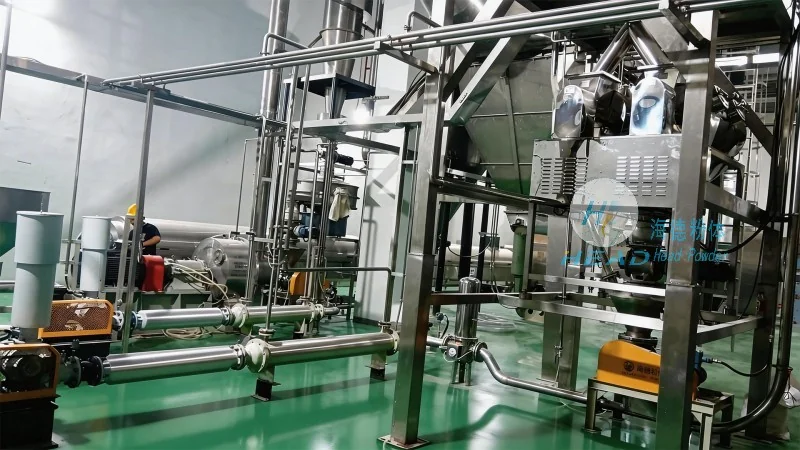
Denitration fly ash, also known as desulfurization and denitrification fly ash, is generated during the treatment of flue gas from thermal power plants. This material is typically fine, abrasive, and can be corrosive, making its handling challenging. Pneumatic conveying systems use air or other gases to transport bulk materials like denitration fly ash through pipelines, offering a dust-free, enclosed, and continuous operation compared to traditional methods such as bucket elevators or belt conveyors.
Shandong HeadPowder Engineering Co., Ltd., a leading provider of bulk material handling solutions, specializes in designing and manufacturing advanced pneumatic conveying systems. With a focus on innovation and customer-centric solutions, the company has extensive experience in the power generation and environmental protection sectors. HeadPowder's systems are engineered to meet the stringent requirements of denitration ash handling, ensuring high efficiency, low maintenance, and compliance with environmental regulations. The company is headquartered in Shandong, China, and serves clients globally with tailored solutions for their specific material handling challenges.
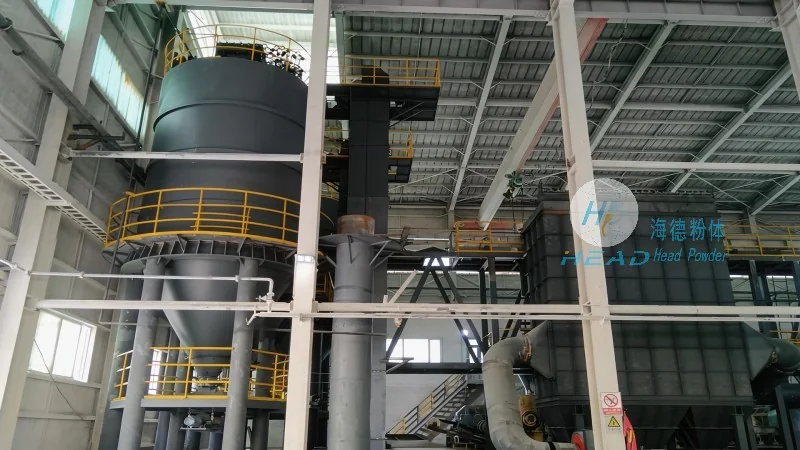
Positive pressure pneumatic conveying systems operate by generating air pressure within the conveying line, typically using a positive displacement blower or a centrifugal fan. The system forces air and material through the pipeline, with the air pressure higher than the ambient pressure. This mode is suitable for transporting denitration fly ash over long distances and through complex network layouts. The primary advantages of positive pressure systems include high conveying capacity, ability to handle abrasive and corrosive materials, and the option to include multiple discharge points. However, they require robust equipment to withstand high air pressures and may need additional filtration and dust control measures at the discharge end to prevent environmental contamination.
Negative pressure pneumatic conveying systems, also known as vacuum conveying systems, operate by creating a vacuum in the conveying line, drawing material and air into the system. The system uses a vacuum pump to pull material from the source, with the line pressure lower than the ambient pressure. This mode is ideal for short to medium distance conveying and for applications where the material source is located at a higher elevation than the destination. The advantages of negative pressure systems include lower initial equipment costs, reduced noise levels, and the ability to handle materials with higher moisture content. However, they have lower conveying capacities compared to positive pressure systems and may face challenges with material blockages and air leakage, which can affect system efficiency and reliability.
When selecting a pneumatic conveying system for denitration fly ash, the choice between positive and negative pressure modes depends on several factors, including the distance of material transport, the layout of the plant, the material characteristics, and the budget constraints. Positive pressure systems are generally preferred for long-distance and high-capacity applications due to their superior conveying efficiency and ability to handle abrasive materials. They are also more suitable for complex pipeline networks and multiple discharge points. On the other hand, negative pressure systems are more cost-effective for short-distance conveying and for applications where the material source is elevated, as they do not require high-pressure equipment and can operate with lower energy consumption. However, their lower capacity and potential for blockages make them less suitable for large-scale denitration ash handling.
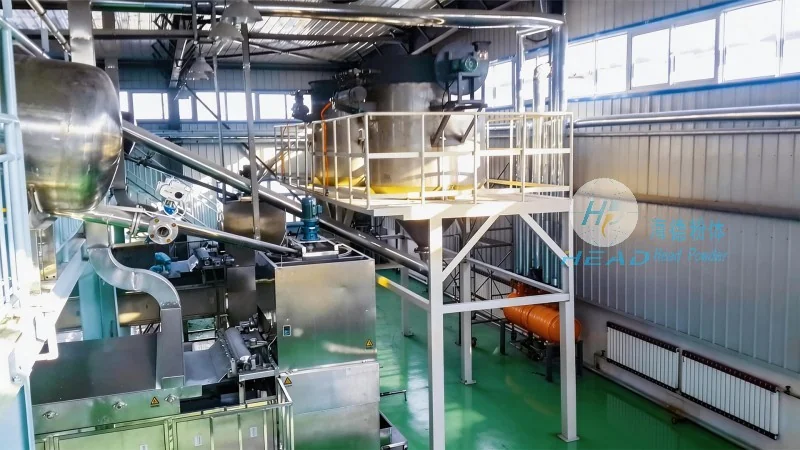
When implementing a pneumatic conveying system for denitration fly ash, several key considerations must be addressed to ensure optimal performance and longevity. First, the material characteristics, such as particle size, moisture content, and abrasiveness, must be carefully evaluated to select the appropriate conveying mode and equipment. For example, highly abrasive denitration ash may require positive pressure systems with reinforced pipelines and wear-resistant components to prevent equipment wear. Second, the system design must consider the pipeline layout, including the number of bends, vertical and horizontal runs, and the presence of valves and filters. Proper system sizing and pressure calculations are critical to avoid system inefficiencies or equipment failure. Third, environmental and safety regulations must be strictly followed, including dust control measures, noise reduction, and material containment to prevent emissions and ensure worker safety. Finally, regular maintenance and monitoring of the system are essential to maintain performance and extend equipment life.
Denitration fly ash pneumatic conveying systems are essential for efficient handling of this critical byproduct in power plants. The choice between positive pressure and negative pressure conveying modes depends on the specific application requirements, with each mode offering distinct advantages and limitations. Positive pressure systems provide high capacity and flexibility for long-distance transport, while negative pressure systems offer cost-effectiveness for short-distance conveying. By carefully evaluating the material characteristics, plant layout, and operational needs, industrial facilities can select the most suitable pneumatic conveying system to ensure reliable, efficient, and environmentally compliant denitration ash handling. Shandong HeadPowder Engineering Co., Ltd. provides comprehensive solutions tailored to these needs, leveraging advanced technology and expertise to deliver high-performance pneumatic conveying systems for denitration fly ash handling.

 Shandong Headpowder Engineering Co., Ltd.
 156-6277-7102(Manager Zhang)
  0531-83386006
  Zhangqiu District, Jinan City, Shandong Province, China
telephone
WeChatconsult
top