With more than 10‑year industry experience, Shandong Headpowder delivers full‑service pneumatic‑conveying systems and blowers, undertaking nationwide turn‑key powder‑handling projects.
Sand and soil pneumatic conveying systems are essential in various industrial applications, particularly in material handling and processing where efficient transport of granular materials is required. Understanding the components that make up such systems is crucial for optimizing performance, ensuring reliability, and maintaining operational efficiency. This article provides an overview of the key elements that constitute a typical sand and soil pneumatic conveying system, with a focus on the expertise and solutions offered by Shandong HeadPowder Engineering Co., Ltd., a leading provider in the field.
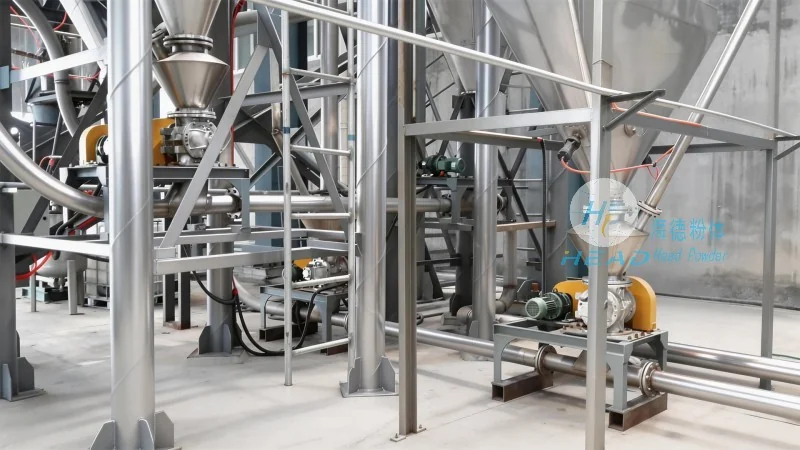
The fundamental components of a sand and soil pneumatic conveying system include the material feed hopper, the conveying line (either ducted or dilute-phase), the air supply system, and the discharge equipment. Each component plays a vital role in the overall operation of the system. The material feed hopper is responsible for storing and feeding the sand or soil into the conveying line, ensuring a consistent flow of material. The conveying line, which can be either a rigid duct or a flexible hose, transports the material along with the air stream. The air supply system, typically a blower or a compressor, generates the necessary airflow to move the material through the system. Finally, the discharge equipment, such as a receiver or a discharge valve, collects the conveyed material at the destination point.
The material feed hopper is a critical component that ensures the smooth and continuous feeding of sand or soil into the pneumatic conveying system. It is designed to hold a sufficient quantity of material to maintain a stable flow rate, preventing interruptions or blockages in the conveying line. The hopper may be equipped with a feeding mechanism, such as a rotary valve or a screw feeder, which regulates the amount of material released into the conveying line. This mechanism is essential for controlling the flow rate and preventing overloading or underloading of the system. The design of the hopper and feeding mechanism is tailored to the specific characteristics of the sand or soil being handled, such as particle size, moisture content, and bulk density.
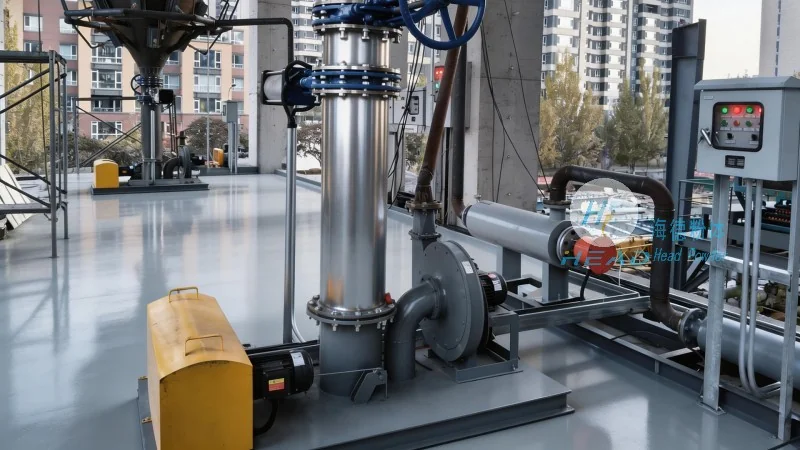
The air supply system is another essential component that provides the necessary pressure and airflow to move the sand or soil through the conveying line. The choice of equipment, such as a positive displacement blower or a centrifugal compressor, depends on the system's requirements, including the material's properties, the conveying distance, and the desired flow rate. A positive displacement blower is often preferred for low to medium pressure applications, as it can generate high airflow at relatively low pressure, making it suitable for dilute-phase conveying of sand and soil. The blower's capacity and pressure rating must be carefully selected to match the system's needs, ensuring efficient and reliable operation. Additionally, the air supply system may include filters and regulators to maintain air quality and pressure stability, preventing contamination or pressure fluctuations that could affect the conveying process.
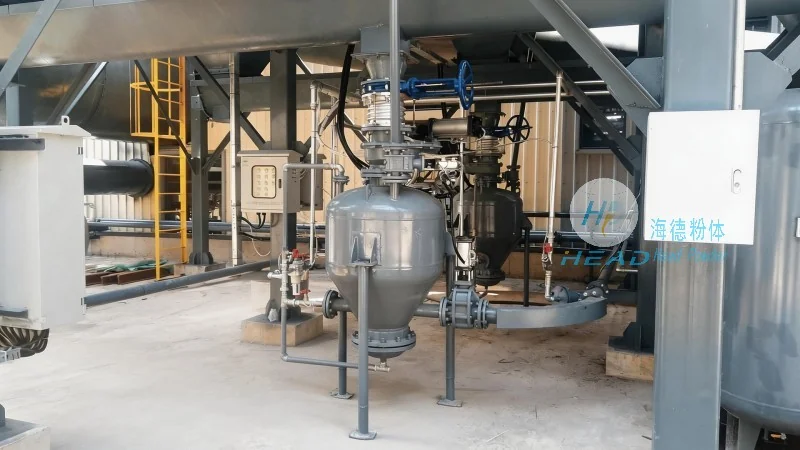
The conveying line is the pathway through which the sand or soil is transported from the feed hopper to the discharge point. The design of the line, including the material of construction (e.g., stainless steel, carbon steel, or plastic), the diameter, and the length, is critical for ensuring efficient material transport and minimizing pressure losses. For sand and soil, a dilute-phase conveying system is often preferred, as it allows for higher flow rates and lower pressure drops compared to dense-phase systems. The dilute-phase system involves transporting the material in a dispersed state, with the particles suspended in the air stream, which reduces the risk of blockages and improves system efficiency. The conveying line may also include bends, elbows, or expansion joints to accommodate changes in direction or elevation, ensuring smooth material flow and preventing wear or damage to the system components.
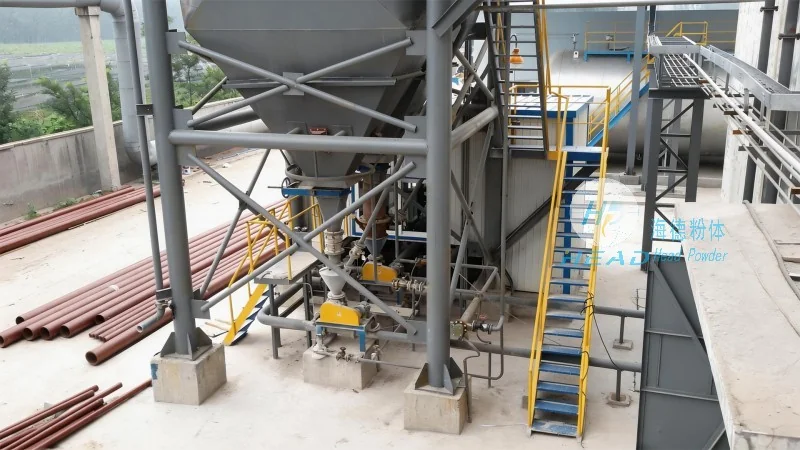
The discharge equipment is responsible for collecting the conveyed sand or soil at the destination point and transferring it to the next stage of processing or storage. Common discharge equipment includes receivers, hoppers, or discharge valves, which are designed to handle the material's characteristics and ensure a controlled discharge. The receiver may be equipped with a level indicator or a pressure sensor to monitor the material level and prevent overfilling or underfilling. The discharge equipment is typically connected to the conveying line through a transition piece or a flexible connection, allowing for easy installation and maintenance. The design of the discharge equipment is crucial for preventing material spillage, maintaining cleanliness, and ensuring safe operation. Shandong HeadPowder Engineering Co., Ltd. specializes in designing and manufacturing high-quality discharge equipment that is tailored to the specific needs of sand and soil conveying applications, ensuring reliable and efficient material handling.
Modern sand and soil pneumatic conveying systems often include integrated control systems that monitor and regulate the operation of the components. These control systems may include sensors for airflow, pressure, and material level, as well as programmable logic controllers (PLCs) that adjust the system parameters based on real-time conditions. The control system ensures that the conveying process operates within optimal parameters, preventing overpressure, underflow, or other issues that could affect system performance. The integration of control systems enhances the reliability and efficiency of the pneumatic conveying system, reducing downtime and maintenance costs. Shandong HeadPowder Engineering Co., Ltd. offers comprehensive control solutions that are tailored to the specific requirements of each project, ensuring seamless integration with existing systems and optimal performance.

 Shandong Headpowder Engineering Co., Ltd.
 156-6277-7102(Manager Zhang)
  0531-83386006
  Zhangqiu District, Jinan City, Shandong Province, China
telephone
WeChatconsult
top