With more than 10‑year industry experience, Shandong Headpowder delivers full‑service pneumatic‑conveying systems and blowers, undertaking nationwide turn‑key powder‑handling projects.
When it comes to transporting dry sludge efficiently and safely, the choice of pneumatic conveying system plays a crucial role. Among the two primary modes, positive pressure and negative pressure systems offer distinct advantages and considerations. This technical analysis delves into the differences between these two approaches, helping to inform decisions for industrial applications.
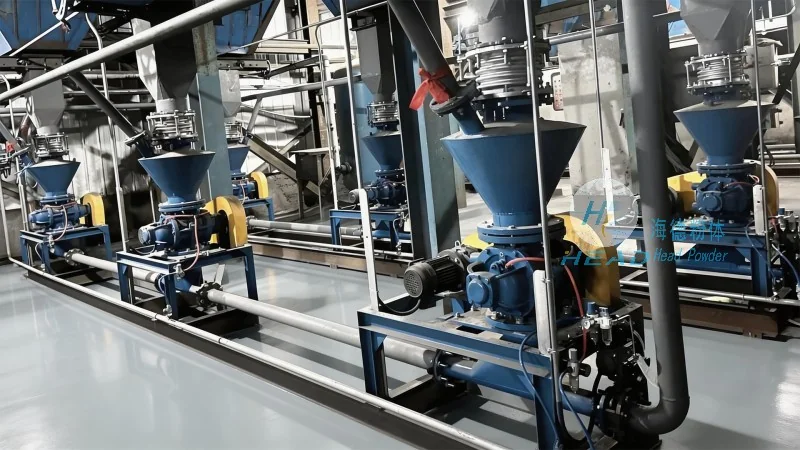
Pneumatic conveying systems utilize air or gas to transport dry materials like sludge through a pipeline. The technology is widely adopted in industries such as wastewater treatment and solid waste management due to its ability to handle abrasive or sticky materials without mechanical contact. The core of the system lies in the pressure differential that propels the material through the pipeline.
Positive pressure systems operate by blowing air or gas into the pipeline, creating a pressure higher than the ambient air pressure. The material is then drawn into the pipeline and carried to the destination. This mode is often preferred for long-distance or high-capacity applications. The system typically features a blower or compressor at the inlet, which generates the necessary pressure to move the sludge. A key advantage is the ability to handle abrasive materials effectively, as the high-pressure air can maintain the flow without clogging. However, positive pressure systems may require more robust equipment and higher energy consumption due to the continuous operation of the blower. Additionally, they may pose safety concerns related to air leaks and pressure buildup, necessitating proper maintenance and safety protocols.

Negative pressure systems, also known as vacuum systems, operate by creating a vacuum at the inlet, which draws the sludge into the pipeline. The material is then transported to the outlet where the pressure is higher, causing the sludge to move. This mode is commonly used for shorter distances or when the material is less abrasive. The system relies on a vacuum pump at the outlet to create the pressure differential. One of the main benefits is lower energy consumption compared to positive pressure systems, as the vacuum pump operates at a lower pressure. However, negative pressure systems may be less effective with highly abrasive or sticky materials, as the vacuum can lead to clogging or reduced flow rates. They also require careful management of air intake to prevent dust or contaminants from entering the system, which can affect performance and maintenance.

The selection between positive and negative pressure pneumatic conveying systems for dry sludge depends on several factors, including the distance of transport, material characteristics, and operational requirements. For instance, if the sludge is highly abrasive and needs to be transported over long distances, a positive pressure system may be more suitable due to its higher pressure capability and resistance to clogging. Conversely, for shorter distances or less abrasive materials, a negative pressure system could offer cost savings in terms of energy and equipment. Additionally, the scale of the operation and the available space for equipment installation are critical. Positive pressure systems may require more space for the blower and may need additional safety measures, while negative pressure systems might need larger vacuum pumps and more robust filtration to handle air intake.
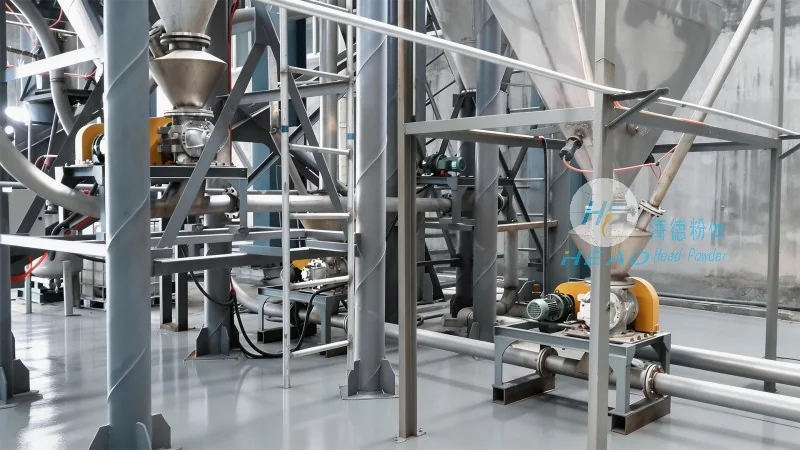
Both positive and negative pressure systems find applications in various industrial settings. In wastewater treatment plants, positive pressure systems are often used to transport dry sludge from digesters to dewatering units over considerable distances, ensuring consistent flow and minimal clogging. In contrast, negative pressure systems may be employed in smaller-scale operations or for transporting sludge to nearby storage facilities where the distance is shorter and material properties are less challenging. The choice also depends on the specific characteristics of the sludge, such as moisture content and particle size. For example, sludge with higher moisture content may benefit from the higher pressure and better flow characteristics of a positive pressure system, while drier sludge might perform well in a negative pressure setup.
Ultimately, the decision between positive and negative pressure pneumatic conveying systems for dry sludge should be based on a thorough analysis of operational needs, material properties, and cost considerations. Positive pressure systems excel in high-capacity, long-distance transport of abrasive materials, while negative pressure systems offer energy efficiency and suitability for shorter distances or less challenging materials. Companies like Shandong HeadPowder Engineering Co., Ltd., a leading provider in the field, offer tailored solutions that consider these factors to ensure optimal performance and reliability. By understanding the technical nuances of each mode, industries can select the most appropriate pneumatic conveying system to meet their specific requirements and enhance operational efficiency.

 Shandong Headpowder Engineering Co., Ltd.
 156-6277-7102(Manager Zhang)
  0531-83386006
  Zhangqiu District, Jinan City, Shandong Province, China
telephone
WeChatconsult
top