With more than 10‑year industry experience, Shandong Headpowder delivers full‑service pneumatic‑conveying systems and blowers, undertaking nationwide turn‑key powder‑handling projects.
High-temperature ash pneumatic conveying systems are critical in industrial applications, particularly in power plants and other facilities that generate significant amounts of ash. Understanding the components that make up such systems is essential for ensuring efficient operation, safety, and reliability. This article provides a detailed overview of the key components involved in high-temperature ash pneumatic conveying, highlighting the role of each element and how they contribute to the overall functionality of the system. The information presented here is based on the expertise of Shandong HeadPowder Engineering Co., Ltd., a leading manufacturer of high-temperature ash handling systems based in Shandong, China, with the company's brand known as headpowder.
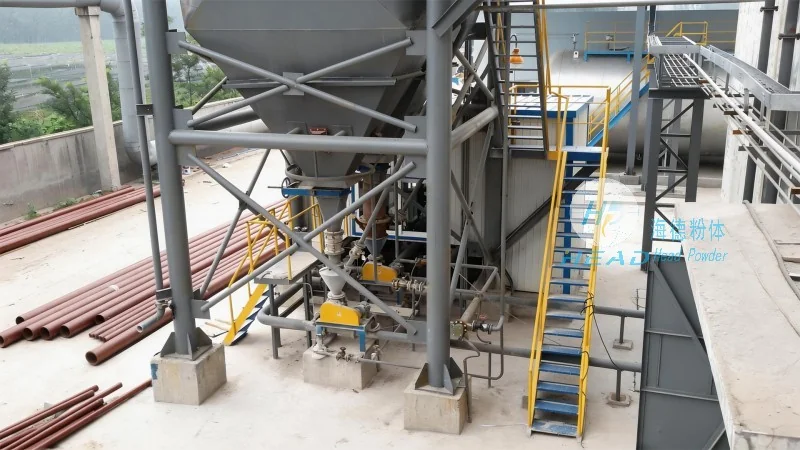
The high-temperature ash pneumatic conveying system consists of several interconnected components that work together to transport ash from its source to a designated disposal or processing location. These components are designed to handle the unique challenges posed by high-temperature ash, including its abrasive nature, potential for moisture content, and the need to maintain operational efficiency under demanding conditions.
The primary equipment used in high-temperature ash pneumatic conveying is the conveying line, which typically includes a series of pipes or ducts that transport the ash particles through the system. The material of the conveying line is critical, as it must withstand high temperatures and the abrasive properties of the ash. Common materials include stainless steel, high-temperature alloys, or specialized coatings that provide durability and resistance to corrosion. The design of the conveying line, including its diameter, length, and bends, is carefully engineered to minimize pressure drop and ensure smooth flow of the ash particles.
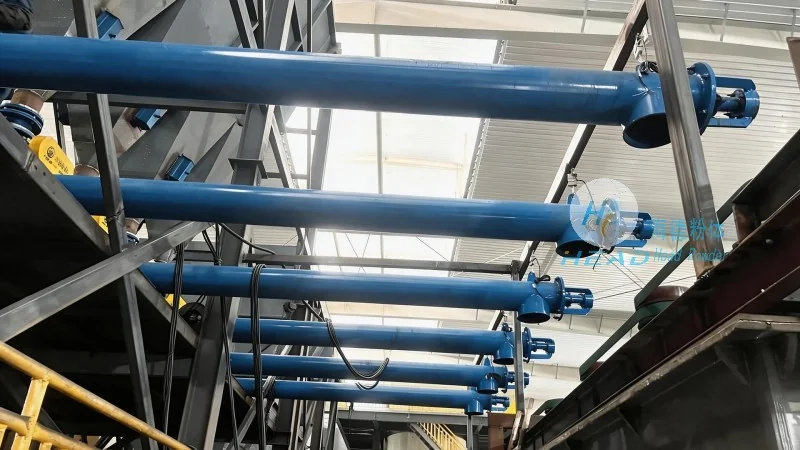
Ash feeders and hoppers are essential components that manage the introduction of ash into the pneumatic conveying system. The hopper serves as a storage container for the ash, allowing for a continuous feed into the system. The feeder, often a rotary valve or a screw feeder, regulates the flow of ash from the hopper into the conveying line. For high-temperature applications, these components are constructed from heat-resistant materials to prevent damage from the hot ash and to maintain consistent feeding rates. The design of the feeder is crucial to prevent blockages and ensure that the ash is introduced into the system at a controlled rate, which helps maintain system pressure and prevent backflow.
Valves are critical components in high-temperature ash pneumatic conveying systems, as they control the flow of ash and air within the system. These valves must be capable of handling high temperatures and the abrasive nature of the ash. Common types of valves include rotary airlock valves, slide gates, and check valves. The rotary airlock valve, in particular, is widely used in high-temperature applications as it provides a reliable seal and can handle high pressures and temperatures. The design of these valves is optimized to minimize wear and tear, ensuring long service life and consistent performance. Proper selection and maintenance of these valves are essential to prevent leaks and maintain the integrity of the system.
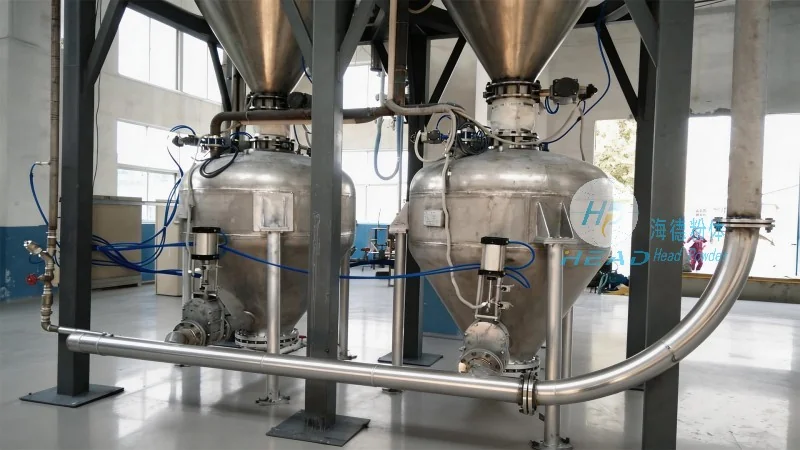
High-temperature ash pneumatic conveying systems generate significant amounts of dust and particulate matter, which must be captured and filtered to prevent environmental contamination and ensure worker safety. The filtering system typically includes a dust collector, such as a baghouse or an electrostatic precipitator, which removes the ash particles from the air stream. The filter media used in these systems is designed to handle high temperatures and the abrasive nature of the ash, ensuring long service life and efficient filtration. The dust collector is connected to the conveying line at the discharge end, where the ash is separated from the air and collected for disposal or further processing. Proper maintenance of the filtering system is crucial to prevent clogging and ensure that the system operates efficiently.
Control and monitoring systems are essential for the efficient operation of high-temperature ash pneumatic conveying systems. These systems include sensors, controllers, and monitoring equipment that track key parameters such as pressure, temperature, flow rate, and ash level. The sensors are strategically placed throughout the system to provide real-time data on the system's performance. The controllers use this data to adjust the operation of the system, such as adjusting the feed rate or the air pressure, to maintain optimal conditions. The monitoring systems also provide alerts and alarms in case of abnormal conditions, such as high pressure or temperature, allowing for timely intervention and preventing system failures. The control and monitoring systems are designed to be user-friendly and provide clear, actionable information to operators, ensuring that the system operates safely and efficiently.

 Shandong Headpowder Engineering Co., Ltd.
 156-6277-7102(Manager Zhang)
  0531-83386006
  Zhangqiu District, Jinan City, Shandong Province, China
telephone
WeChatconsult
top