With more than 10‑year industry experience, Shandong Headpowder delivers full‑service pneumatic‑conveying systems and blowers, undertaking nationwide turn‑key powder‑handling projects.
When it comes to transporting quartz powder using pneumatic conveying systems, one of the most critical challenges is preventing dust leakage. Quartz powder, with its fine particles (typically ranging from 10 to 200 microns) and abrasive properties, can easily escape from the system if proper measures are not in place. This not only poses health and safety risks—such as respiratory issues for workers exposed to fine dust—but also leads to material loss and operational inefficiencies. For industries relying on consistent and clean material transfer, addressing dust leakage is paramount to maintaining productivity and compliance with environmental regulations.
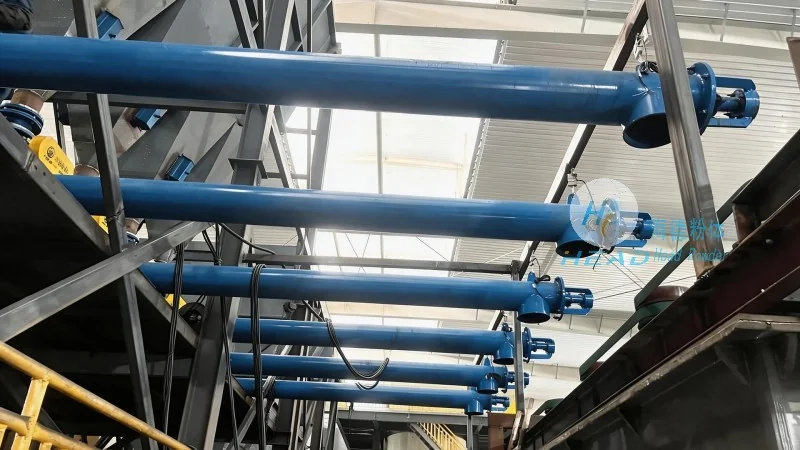
Shandong HeadPowder Engineering Co., Ltd., based in Shandong, China, specializes in designing and manufacturing advanced pneumatic conveying systems tailored to the unique demands of handling quartz powder. With years of experience in the field, HeadPowder has developed comprehensive solutions that mitigate dust leakage while ensuring efficient material transport. The company’s expertise lies in integrating cutting-edge technologies and robust engineering principles to create systems that meet the highest standards of performance and safety. HeadPowder’s team of engineers works closely with clients to understand their specific requirements, from the type of quartz powder being handled to the desired conveying distance and throughput, ensuring that the final system is optimized for both efficiency and dust control.
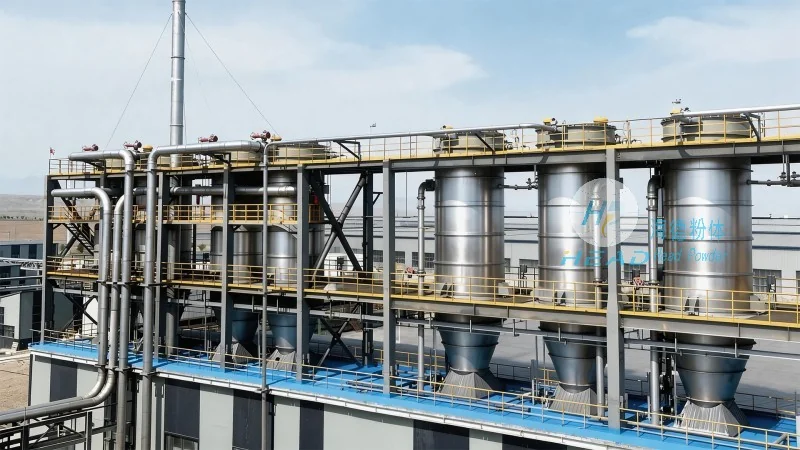
Effective dust control in pneumatic conveying systems for quartz powder involves several key components. First, the system design must incorporate robust sealing mechanisms at all connection points, including hoppers, pipelines, and discharge units. HeadPowder utilizes high-quality gaskets and flexible seals that can withstand the abrasive nature of quartz particles, minimizing the risk of leaks. These seals are typically made from materials like PTFE or silicone, which are resistant to wear and chemical exposure. Additionally, the use of positive pressure systems helps maintain a slight overpressure inside the conveying line, preventing external air from entering and carrying fine particles out of the system. This overpressure is typically maintained at 0.5 to 1.0 bar above atmospheric pressure, creating a barrier against dust escape.
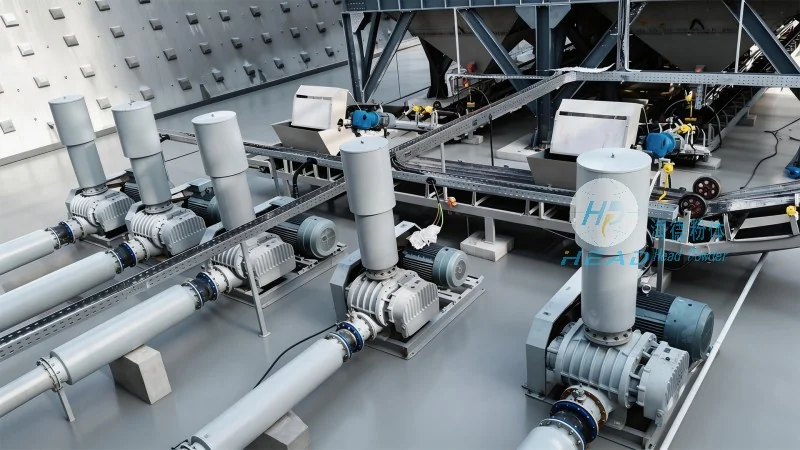
Another critical aspect of preventing dust leakage is the implementation of efficient filtration and collection systems. HeadPowder’s solutions often include high-efficiency particulate air (HEPA) filters or baghouse filters that capture fine quartz dust before it can escape into the environment. These filters are designed to handle the high volume of particles generated during the conveying process, ensuring that the air discharged from the system is clean and compliant with environmental regulations. The filtration systems are integrated seamlessly with the conveying line, providing a continuous and reliable dust capture process. For example, a baghouse filter with a filtration efficiency of 99.97% can effectively capture particles as small as 0.3 microns, ensuring that only clean air is released from the system.
Proper material handling practices are essential to prevent dust leakage during the loading and unloading phases of quartz powder transport. HeadPowder recommends using enclosed hoppers and feeders that minimize the exposure of powder to the air. The company’s systems are equipped with automatic feeding mechanisms that reduce the need for manual intervention, thereby lowering the risk of human error and dust release. Furthermore, the integration of vacuum or pressure control systems allows for precise regulation of material flow, preventing overloading or underloading that could lead to dust spillage. Enclosed hoppers are designed with sloped walls and bottom discharge valves to ensure that powder flows smoothly and without creating dust clouds during loading.
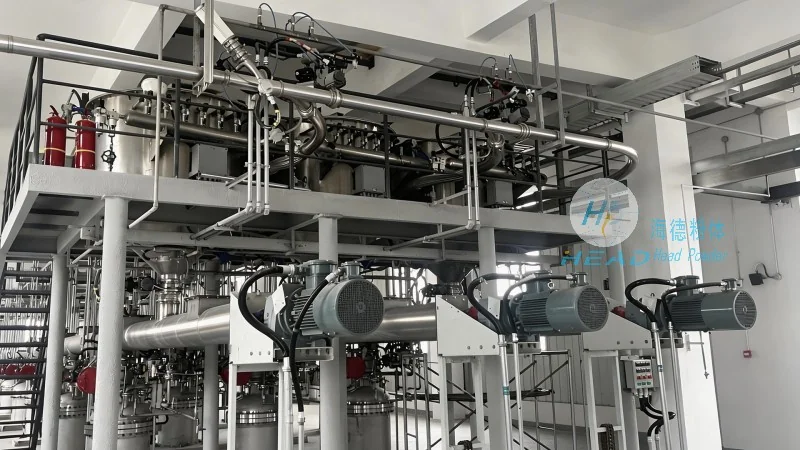
Regular maintenance is crucial for maintaining the effectiveness of dust leakage prevention measures in pneumatic conveying systems. HeadPowder provides comprehensive maintenance services and guidelines to ensure that all components, including seals, filters, and valves, are in optimal condition. Routine inspections of the system’s integrity, such as checking for wear and tear on seals or signs of dust accumulation, help identify potential issues before they escalate into major problems. For instance, the seals on the hopper and pipeline connections should be inspected monthly to ensure they remain tight and free from damage. Additionally, the filters should be cleaned or replaced as per the manufacturer’s recommendations to maintain their efficiency. Training operators on proper system operation and emergency procedures enhances overall safety and reduces the likelihood of dust leakage incidents. Operators should be trained to recognize signs of dust leakage, such as increased pressure drops or visible dust around the system, and know how to respond promptly to prevent further issues.

 Shandong Headpowder Engineering Co., Ltd.
 156-6277-7102(Manager Zhang)
  0531-83386006
  Zhangqiu District, Jinan City, Shandong Province, China
telephone
WeChatconsult
top