With more than 10‑year industry experience, Shandong Headpowder delivers full‑service pneumatic‑conveying systems and blowers, undertaking nationwide turn‑key powder‑handling projects.
Shandong HeadPowder Engineering Co., Ltd. specializes in providing advanced pneumatic conveying solutions tailored for the transportation of polyvinyl chloride (PVC). As a leading manufacturer in this field, the company focuses on optimizing material handling processes to enhance efficiency and reliability. One of the primary challenges in PVC conveyance is the risk of pipeline blockages, which can significantly impact production continuity and operational costs. This article explores effective strategies to prevent blockages and highlights the critical design parameters that ensure smooth and safe PVC transportation.
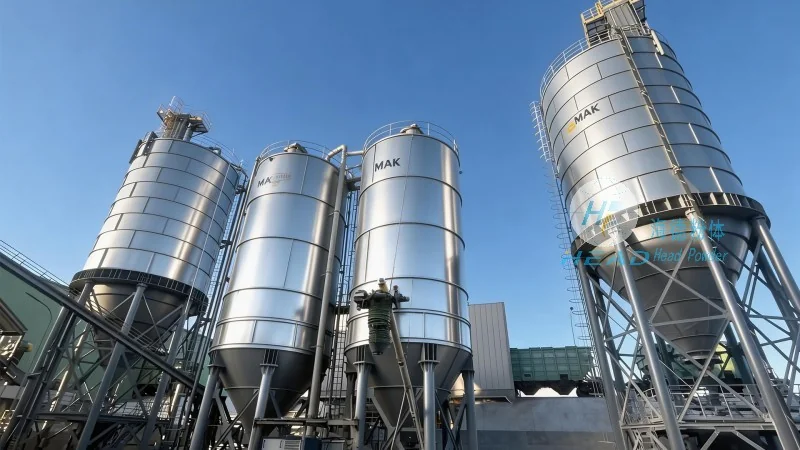
Polyvinyl chloride (PVC) is a widely used thermoplastic polymer in various industries, including construction, manufacturing, and packaging. When handled via pneumatic conveying systems, PVC particles can exhibit unique flow characteristics that increase the likelihood of blockages. These blockages can result from several factors, such as the material's tendency to agglomerate, high moisture content, or improper air flow dynamics. The consequences of blockages range from reduced system throughput to equipment damage, making it essential to implement robust preventive measures.
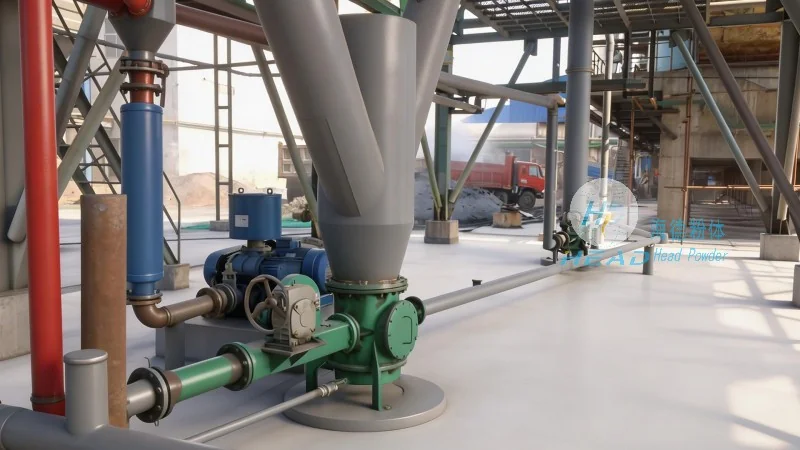
Effective prevention of pipeline blockages in PVC conveying systems relies on a combination of strategic design choices and operational adjustments. The following parameters are crucial for maintaining system performance and minimizing downtime:
Beyond design parameters, operational best practices play a vital role in preventing blockages. Regular monitoring of system pressure, air flow, and material flow rates helps identify potential issues early. Implementing a preventive maintenance schedule, including cleaning and inspection of pipelines and equipment, can mitigate the risk of blockages. Additionally, training operators on proper system operation and emergency response procedures ensures quick resolution of any blockage incidents.
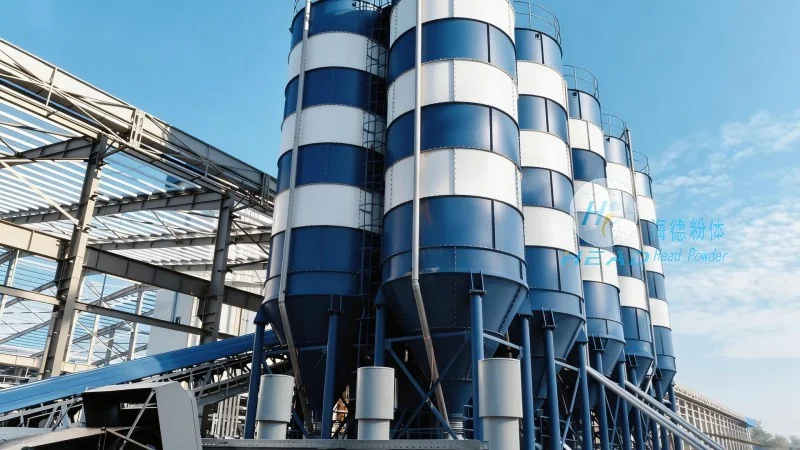
Preventing pipeline blockages in PVC pneumatic conveying systems requires a comprehensive approach that integrates design, material handling, and operational strategies. Shandong HeadPowder Engineering Co., Ltd. leverages its expertise in pneumatic conveying technology to provide customized solutions that address the unique challenges of PVC transportation. By focusing on key design parameters and best practices, companies can enhance the reliability and efficiency of their PVC handling processes, reducing downtime and operational costs. For more information on pneumatic conveying systems for PVC, contact Shandong HeadPowder Engineering Co., Ltd. in China.

 Shandong Headpowder Engineering Co., Ltd.
 156-6277-7102(Manager Zhang)
  0531-83386006
  Zhangqiu District, Jinan City, Shandong Province, China
telephone
WeChatconsult
top