With more than 10‑year industry experience, Shandong Headpowder delivers full‑service pneumatic‑conveying systems and blowers, undertaking nationwide turn‑key powder‑handling projects.
When it comes to transporting yellow sand using pneumatic conveying systems, preventing pipeline blockages is a critical challenge. Yellow sand, characterized by its fine particles and potential moisture content, can easily lead to clogging if the system design is not optimized. This article explores effective strategies to prevent blockages and highlights key design parameters that ensure smooth and efficient operation of pneumatic conveying systems for yellow sand transport.
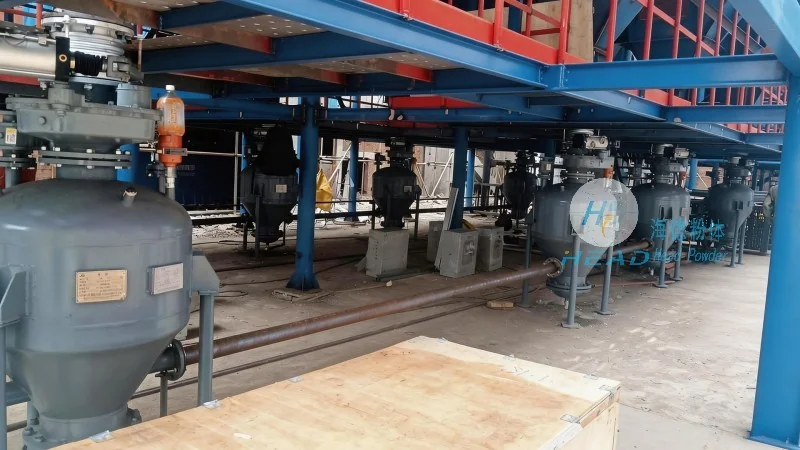
Yellow sand, often composed of fine silica particles, presents unique challenges in pneumatic conveying. These particles are prone to agglomeration, especially when exposed to moisture or high humidity. Additionally, the small particle size can cause increased friction within the pipeline, leading to pressure drops and potential blockages. The key to successful yellow sand transport lies in understanding these characteristics and designing the system to mitigate risks.
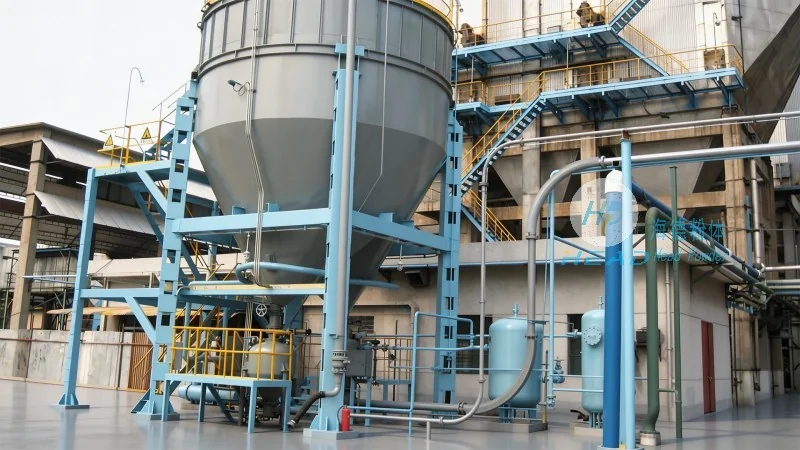
Several critical design parameters must be considered to prevent pipeline blockages in pneumatic conveying systems for yellow sand. The first is the pipe diameter, which directly impacts the velocity of the air and particles. A larger diameter allows for lower air velocities, reducing the risk of particle deposition. Typically, a pipe diameter of at least 100 mm is recommended for yellow sand to maintain adequate flow and prevent clogging. The second parameter is the conveying velocity, or air velocity. Maintaining an air velocity above the minimum fluidization velocity of the sand particles is essential to keep them suspended. For yellow sand, this velocity often ranges from 20 to 30 m/s, depending on particle size and moisture content. The third parameter is the particle concentration, or the ratio of solid particles to air. A lower concentration reduces the risk of particle accumulation and blockages. Optimal concentration levels for yellow sand are usually between 5% to 15% by volume. The fourth parameter is the system pressure. Higher pressure can help maintain flow but must be balanced with energy efficiency and equipment durability. A typical pressure range for yellow sand conveying is 0.5 to 1.5 bar gauge. Finally, the material selection of the pipeline is crucial. Materials like stainless steel or PVC are preferred to prevent corrosion and particle adhesion, which can contribute to blockages.
Along with proper design parameters, several implementation measures can further enhance the prevention of pipeline blockages. One effective measure is the use of air knives or venturi sections to maintain consistent air flow and prevent particle settling. These components help keep the sand particles suspended and moving through the pipeline. Another measure is the incorporation of static eliminators or anti-static materials to prevent electrostatic buildup, which can cause particles to stick to the pipeline walls. Regular maintenance, such as cleaning and inspecting the pipeline, is also essential to remove any accumulated particles and ensure the system operates efficiently. Additionally, monitoring the system's pressure and flow rates in real-time can help detect potential blockages early and allow for timely adjustments.
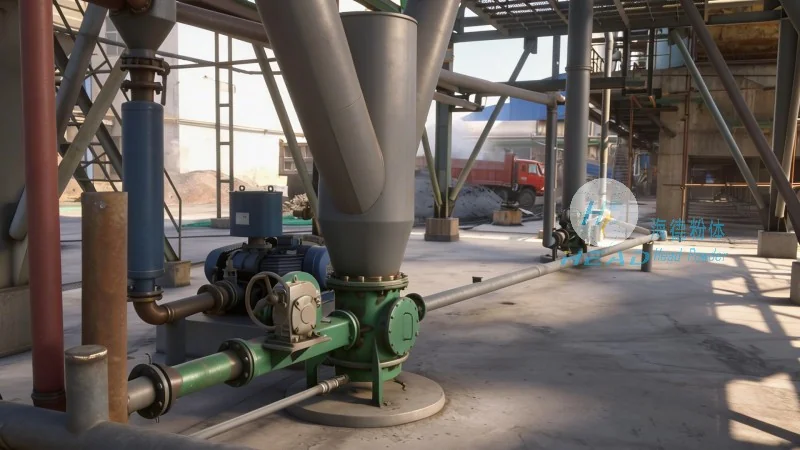
Shandong HeadPowder Engineering Co., Ltd., commonly known as HeadPowder, is a leading provider of pneumatic conveying systems tailored for challenging materials like yellow sand. With years of experience in the industry, HeadPowder specializes in designing and manufacturing systems that meet the unique requirements of yellow sand transport. The company's expertise lies in optimizing design parameters to prevent blockages and ensure reliable operation. HeadPowder's solutions are engineered to handle the complexities of yellow sand, from its fine particle size to its potential moisture content. By focusing on key design parameters and implementing effective anti-blockage measures, HeadPowder delivers systems that provide efficient, safe, and cost-effective yellow sand conveying. Based in Shandong, China, HeadPowder serves clients globally, providing customized solutions that meet their specific needs and operational challenges.

 Shandong Headpowder Engineering Co., Ltd.
 156-6277-7102(Manager Zhang)
  0531-83386006
  Zhangqiu District, Jinan City, Shandong Province, China
telephone
WeChatconsult
top