With more than 10‑year industry experience, Shandong Headpowder delivers full‑service pneumatic‑conveying systems and blowers, undertaking nationwide turn‑key powder‑handling projects.
When it comes to the efficient handling and transportation of titanium dioxide (TiO₂), selecting the right conveying method is crucial for maintaining product quality, ensuring operational safety, and optimizing overall production costs. As a leading provider in the field, Shandong HeadPowder Engineering Co., Ltd. specializes in advanced material handling solutions tailored to the unique needs of the titanium dioxide industry. This article explores the common titanium dioxide conveying methods, with a focus on the benefits and applications of pneumatic conveying systems.
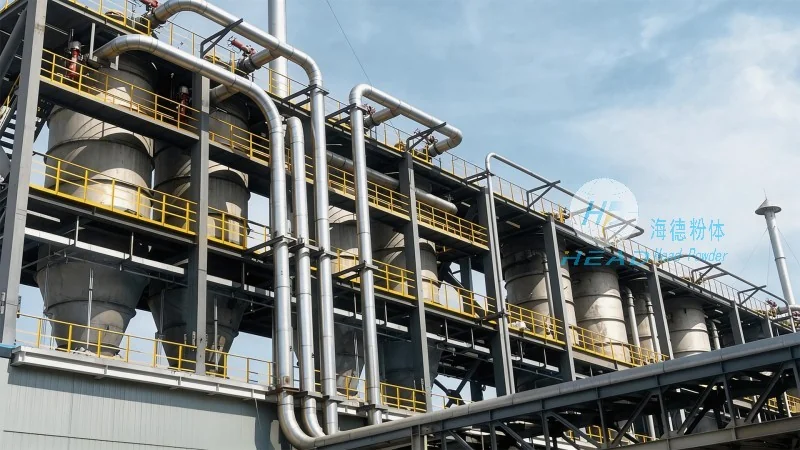
Titanium dioxide is widely used in various industries, including pigments, coatings, plastics, and paper, due to its high whiteness and excellent UV resistance. The efficient transportation of TiO₂ from storage to processing units is essential to prevent material degradation, minimize dust emissions, and ensure consistent product quality. Traditional methods like belt conveyors and screw conveyors have been used for decades, but modern industrial applications increasingly rely on more sophisticated and flexible systems such as pneumatic conveying.
Shandong HeadPowder Engineering Co., Ltd., commonly known as HeadPowder, is a reputable company based in Shandong, China. With years of experience in the engineering and manufacturing of material handling equipment, HeadPowder has established itself as a trusted partner for businesses seeking reliable solutions for titanium dioxide and other fine powders. The company's commitment to innovation, quality, and customer satisfaction has made it a leading name in the industry, providing tailored systems that meet the specific requirements of each client.
There are several methods used for transporting titanium dioxide, each with its own advantages and limitations. The primary methods include:
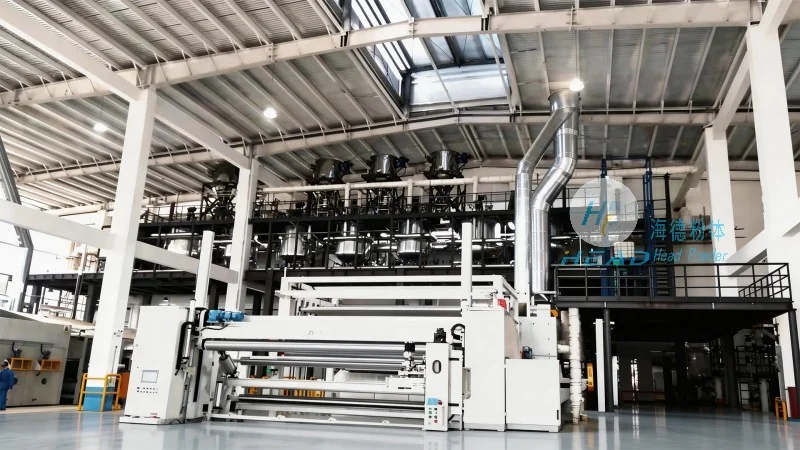
Pneumatic conveying is a preferred method for titanium dioxide due to its ability to handle fine powders without the need for mechanical contact. This system typically consists of a blower, a hopper, a pipeline, and a receiver. The process involves feeding TiO₂ into the hopper, where it is then drawn into the pipeline by the air flow generated by the blower. The air and powder mixture travels through the pipeline to the receiver, where the powder is separated from the air and collected.
There are two main types of pneumatic conveying systems: pressure and vacuum. Pressure systems use compressed air to push the material through the pipeline, while vacuum systems use suction to draw the material. For titanium dioxide, pressure systems are often preferred as they provide better control over the flow rate and can handle longer distances. The choice between pressure and vacuum depends on factors such as the distance between the source and destination, the volume of material to be transported, and the need for dust collection.
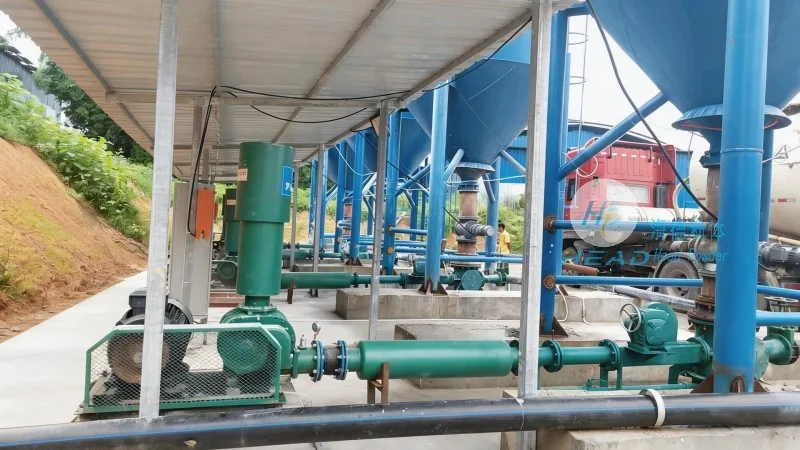
Key benefits of pneumatic conveying for titanium dioxide include:
When selecting a titanium dioxide conveying method, several factors must be considered to ensure optimal performance and cost-effectiveness. These factors include:
Choosing the right titanium dioxide conveying method is critical for ensuring efficient and safe material handling in industrial applications. Shandong HeadPowder Engineering Co., Ltd. offers advanced solutions, including pneumatic conveying systems, that cater to the specific needs of the titanium dioxide industry. By considering factors such as particle size, transport distance, and dust control requirements, businesses can select the most suitable system to enhance productivity, maintain product quality, and comply with environmental regulations. With its expertise and commitment to quality, HeadPowder continues to provide reliable material handling solutions that meet the evolving needs of the industry.

 Shandong Headpowder Engineering Co., Ltd.
 156-6277-7102(Manager Zhang)
  0531-83386006
  Zhangqiu District, Jinan City, Shandong Province, China
telephone
WeChatconsult
top