With more than 10‑year industry experience, Shandong Headpowder delivers full‑service pneumatic‑conveying systems and blowers, undertaking nationwide turn‑key powder‑handling projects.
Aluminum hydride powder, a critical material in various industrial applications, requires efficient and reliable conveying methods to ensure safe and effective handling. The choice of conveying system depends on factors such as material properties, production scale, and operational environment. This article provides a detailed comparison of common aluminum hydride powder conveying methods, highlighting their advantages, limitations, and suitable applications.
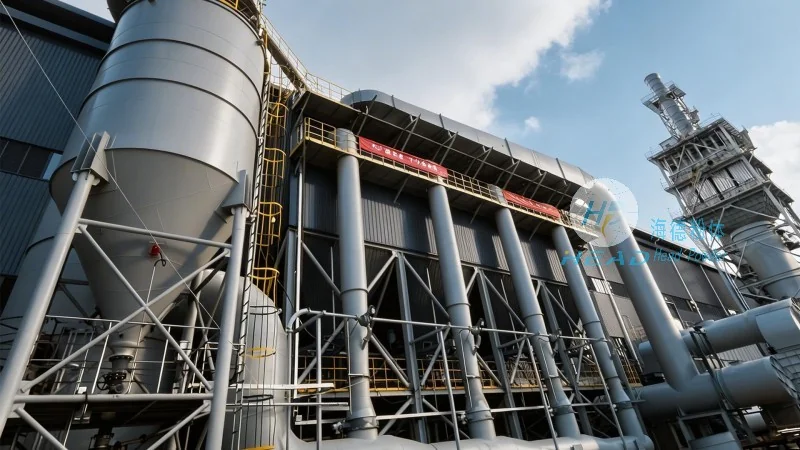
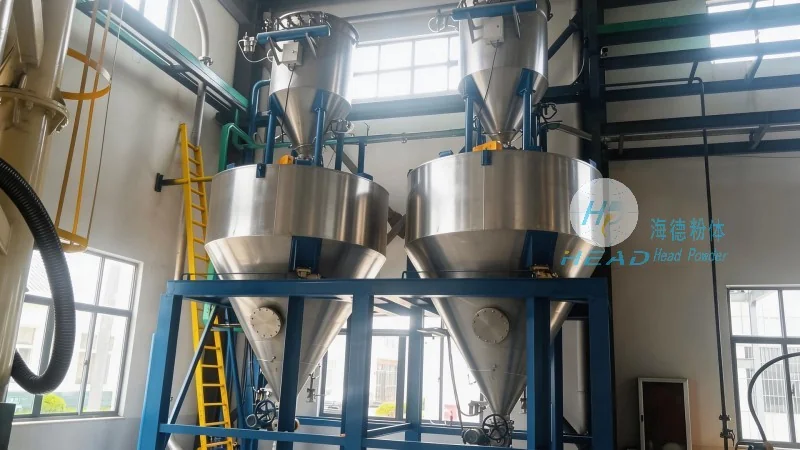
Gravity conveying, also known as bulk material handling via inclined chutes or hoppers, relies on the natural force of gravity to move aluminum hydride powder from one point to another. This method is particularly suitable for applications where the material flow is consistent and the vertical or horizontal distance is relatively short. The primary advantage of gravity conveying is its simplicity and low energy consumption, as it eliminates the need for external power sources like motors or compressors. However, it is limited by the need for a suitable slope and the risk of material bridging or clogging in the conveying line. For instance, in small-scale production facilities or where the powder is to be transferred from a storage silo to a processing unit at a lower elevation, gravity conveyors can be an economical solution. The system typically consists of a hopper to collect the powder, an inclined pipe or chute, and a discharge point at the receiving location. Proper design, including adequate slope angles and smooth surfaces, is essential to prevent material accumulation and ensure smooth flow. In practice, gravity conveying is often used in conjunction with other equipment, such as rotary valves or rotary airlocks, to control the flow rate and prevent backflow.
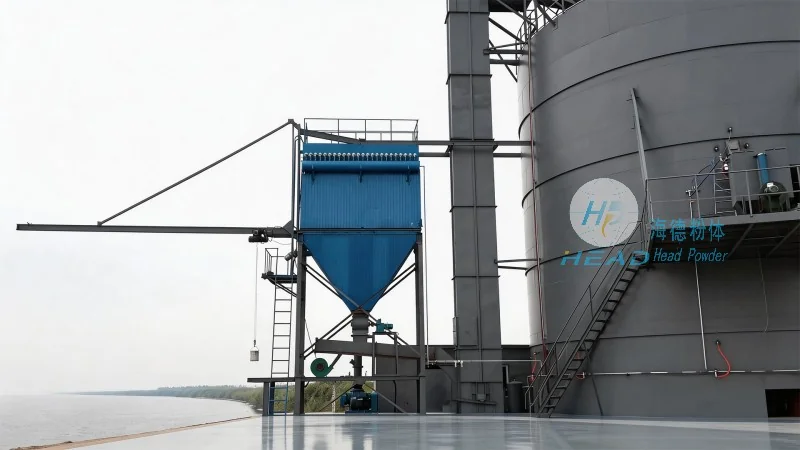
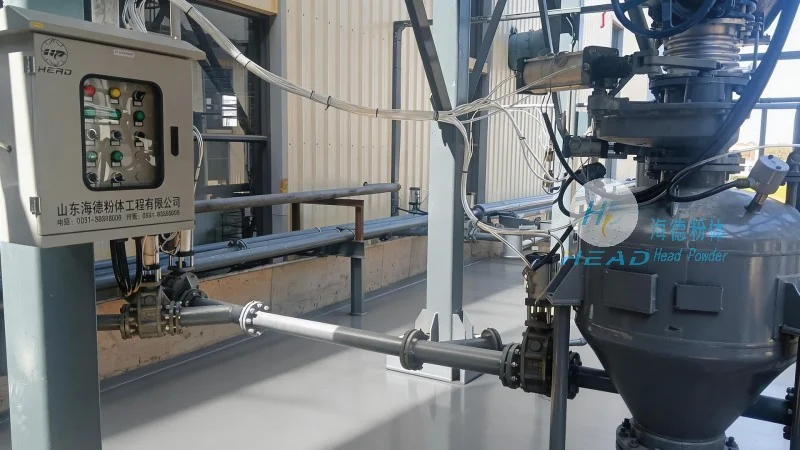
Air-pneumatic conveying, or pneumatic conveying, uses compressed air to transport aluminum hydride powder through a pipeline. This method is highly versatile and can handle both low and high flow rates, making it suitable for a wide range of applications, from small batch transfers to continuous production lines. The system typically includes a hopper, a rotary airlock to feed the powder into the pipeline, a compressor to generate the air pressure, and a receiver at the destination. There are two main types of pneumatic conveying: dilute phase and dense phase. Dilute phase systems use low air-to-material ratios and are ideal for long-distance or high-speed conveying, while dense phase systems use higher air-to-material ratios and are better suited for short-distance or low-speed applications where material segregation must be minimized. The primary advantage of pneumatic conveying is its ability to transport the powder in a closed system, which helps maintain material purity and prevents contamination from external sources. Additionally, it allows for the integration of dust collection and filtration systems, ensuring compliance with environmental regulations. However, pneumatic conveying requires more energy compared to gravity systems due to the need for compressed air, and it may be more complex to install and maintain. The choice between dilute and dense phase depends on the specific requirements of the application, such as the distance between the source and destination, the desired flow rate, and the need to preserve the powder's physical properties. For example, in pharmaceutical or food processing industries where product purity is paramount, dense phase pneumatic conveying is often preferred to prevent particle breakage and maintain consistent particle size distribution.

 Shandong Headpowder Engineering Co., Ltd.
 156-6277-7102(Manager Zhang)
  0531-83386006
  Zhangqiu District, Jinan City, Shandong Province, China
telephone
WeChatconsult
top