With more than 10‑year industry experience, Shandong Headpowder delivers full‑service pneumatic‑conveying systems and blowers, undertaking nationwide turn‑key powder‑handling projects.
Guar gum powder, a versatile and widely used thickening agent in various industries, requires efficient and reliable conveying methods to ensure smooth operation in processing facilities. The choice of conveying method significantly impacts the overall productivity, safety, and cost-effectiveness of handling guar gum powder. This article explores common conveying methods for guar gum powder, with a focus on pneumatic conveying as a key approach.
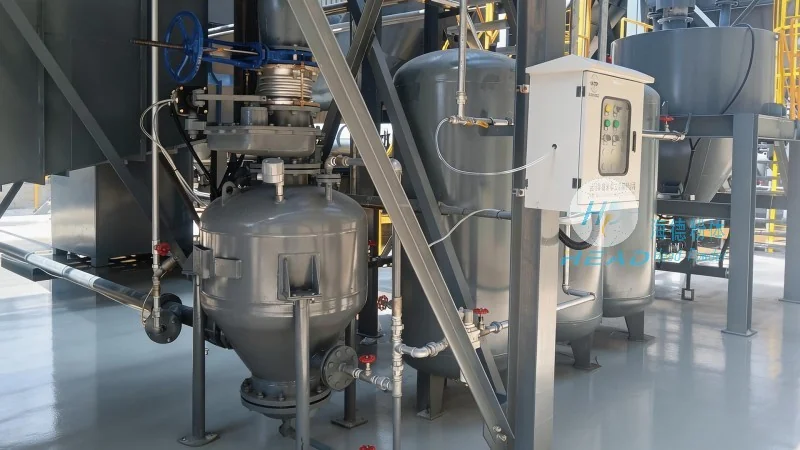
Pneumatic conveying, also known as air conveying, is a widely adopted technique for transporting guar gum powder due to its ability to handle fine powders efficiently. This method involves the use of compressed air to move the powder through a pipeline system. The process typically includes a hopper, a rotary valve, and a conveying line, where the powder is drawn into the system and transported to the destination. Pneumatic conveying offers several advantages, including the ability to transport powder over long distances, minimize dust exposure, and maintain product purity. For guar gum powder, which is sensitive to moisture and contamination, pneumatic conveying helps preserve its quality by preventing contact with external elements.
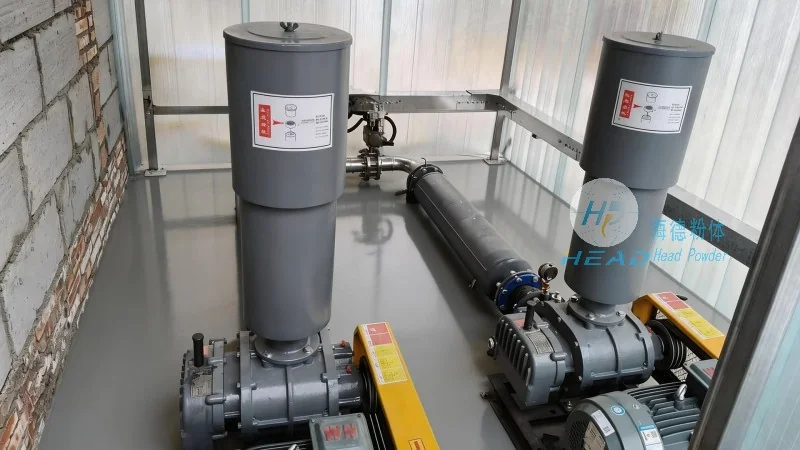
The effectiveness of pneumatic conveying for guar gum powder depends on the proper design and integration of key components. A typical system includes a hopper to store the powder, a rotary airlock valve to control the flow rate, a compressor to generate the necessary air pressure, and a pipeline network to direct the powder. The hopper is often equipped with a dust collection system to prevent airborne particles from escaping. The rotary valve ensures a controlled discharge of powder into the conveying line, preventing blockages and maintaining consistent flow. The compressor provides the pressure required to move the powder through the system, with the pressure level adjusted based on the distance and resistance in the pipeline. The pipeline itself is usually made of materials resistant to the powder's properties, such as stainless steel or polyethylene, to avoid corrosion or contamination.
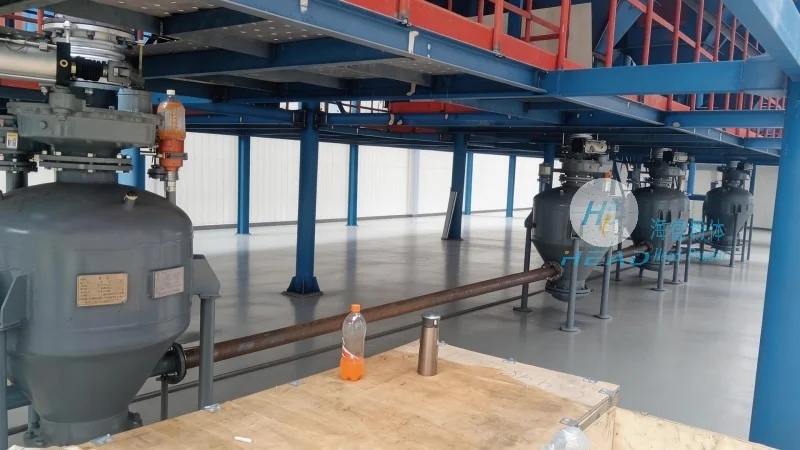
Compared to other conveying methods, pneumatic conveying offers several benefits for guar gum powder handling. One of the main advantages is the ability to transport the powder in a closed system, which reduces dust emissions and improves workplace safety. This is particularly important for guar gum powder, which can create respiratory issues if inhaled. The closed system also helps maintain the powder's moisture content and prevents contamination from external sources. Another advantage is the flexibility of the system, as it can be easily modified to accommodate changes in production volume or process requirements. Pneumatic conveying also allows for the integration of additional equipment, such as filters or classifiers, to further enhance the quality of the transported powder. Additionally, the system can be automated, reducing the need for manual labor and minimizing human error.
While pneumatic conveying is an effective method for guar gum powder transport, there are several considerations to ensure optimal performance. The first consideration is the particle size and moisture content of the guar gum powder. Fine powders may require higher air pressure and more efficient filtration to prevent clogging. Moisture content is also critical, as high moisture levels can lead to clumping and reduced conveying efficiency. Proper drying and conditioning of the powder before conveying can improve system performance. Another consideration is the system's capacity and scalability. The conveying system should be designed to handle the expected production volume, with provisions for future expansion if needed. Maintenance is also an important factor, as regular cleaning and inspection of components can prevent downtime and extend the system's lifespan. Finally, safety considerations must be addressed, including proper ventilation, dust suppression systems, and emergency shutdown procedures to protect workers and equipment.
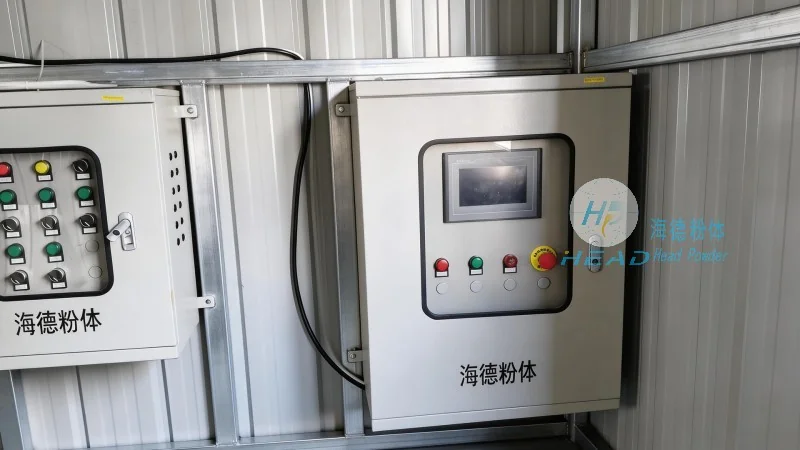
Efficient conveying of guar gum powder is essential for the smooth operation of processing facilities. Pneumatic conveying, with its ability to handle fine powders in a closed system, offers significant advantages over other methods. By understanding the key components and considerations of a pneumatic conveying system, companies can ensure the reliable and safe transport of guar gum powder. The choice of conveying method should be based on factors such as production volume, distance, and safety requirements. For guar gum powder, pneumatic conveying is often the preferred option due to its ability to maintain product quality and reduce operational risks. As the demand for guar gum powder continues to grow, the adoption of efficient conveying systems will remain critical for maintaining competitiveness and meeting industry standards.

 Shandong Headpowder Engineering Co., Ltd.
 156-6277-7102(Manager Zhang)
  0531-83386006
  Zhangqiu District, Jinan City, Shandong Province, China
telephone
WeChatconsult
top