With more than 10‑year industry experience, Shandong Headpowder delivers full‑service pneumatic‑conveying systems and blowers, undertaking nationwide turn‑key powder‑handling projects.
When it comes to transporting sand using pneumatic conveying systems, preventing pipeline blockages is a critical challenge that can significantly impact operational efficiency and system reliability. As a leading provider in the field, Shandong HeadPowder Engineering Co., Ltd., based in Shandong, China, specializes in designing and implementing effective solutions to mitigate these issues. This article explores the key design parameters that are essential for preventing pipeline blockages in pneumatic conveying systems specifically for sand transport.
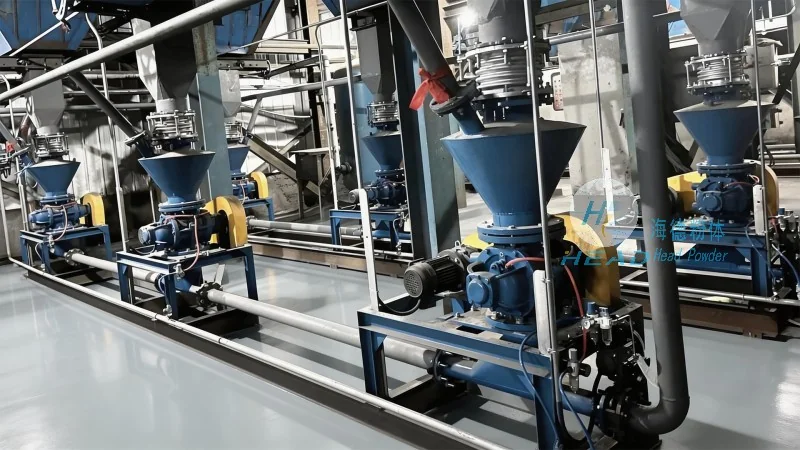
Sand, with its abrasive and dense characteristics, poses unique challenges when conveyed through pneumatic systems. Unlike lighter or more fluid materials, sand can easily lead to frictional wear on pipelines, which may cause irregularities that promote particle accumulation and blockages. Additionally, the high density and particle size distribution of sand require careful consideration of system design to ensure smooth and continuous flow. The primary causes of pipeline blockages in such systems include insufficient air velocity, improper gas-solid ratio, and inadequate pipeline diameter or layout. These factors can lead to the formation of "plug" or "rathole" blockages, which can halt the entire conveying process and result in costly downtime.
Several critical design parameters must be optimized to prevent pipeline blockages in pneumatic conveying systems for sand transport. The first and most important parameter is the **air velocity** within the pipeline. Maintaining an appropriate air velocity, typically ranging from 20 to 30 meters per second for sand, ensures that the particles are fully suspended and do not settle on the pipe walls. Insufficient air velocity can cause particles to settle, leading to the formation of blockages. The **gas-solid ratio** is another crucial factor. This ratio represents the volume of air to the volume of solid material being conveyed. For sand, an optimal gas-solid ratio is essential to ensure that the air flow is sufficient to lift and transport the particles without causing excessive pressure drops or energy consumption. Shandong HeadPowder Engineering Co., Ltd. recommends a gas-solid ratio that balances efficiency with the need to prevent particle deposition.
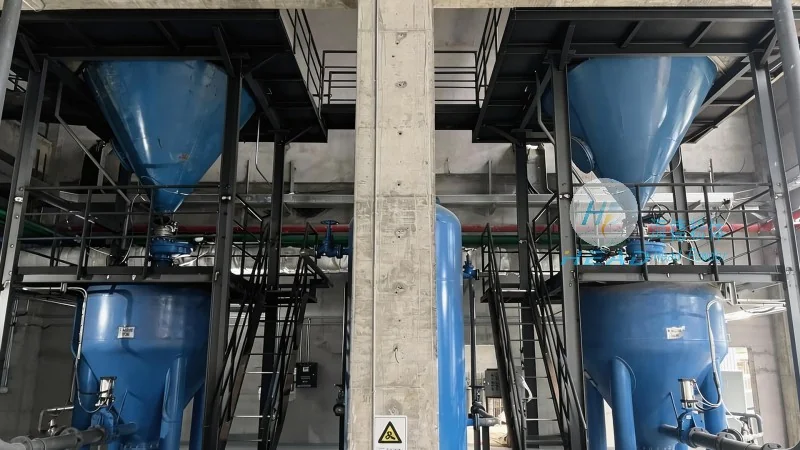
The **pipeline diameter** is also a key design parameter. The diameter must be selected based on the particle size distribution and the required flow rate. A larger diameter can reduce frictional losses and lower the risk of blockages, but it also increases the system's capital cost. Conversely, a smaller diameter may be more cost-effective but requires higher air velocity to maintain particle suspension, which can increase energy consumption and the risk of wear. Through careful analysis of the sand's properties and the system's operational requirements, Shandong HeadPowder Engineering Co., Ltd. determines the most suitable pipeline diameter to minimize blockage risks.
Another critical parameter is the **system pressure** and the associated **pressure drop**. Maintaining a consistent and appropriate pressure level ensures that the air flow remains stable and prevents the formation of low-pressure zones where particles may settle. Excessive pressure drops can indicate blockages or inadequate air supply, while insufficient pressure may lead to particle deposition. Shandong HeadPowder Engineering Co., Ltd. employs advanced pressure monitoring systems to detect and address pressure variations promptly, ensuring the system operates within optimal parameters.
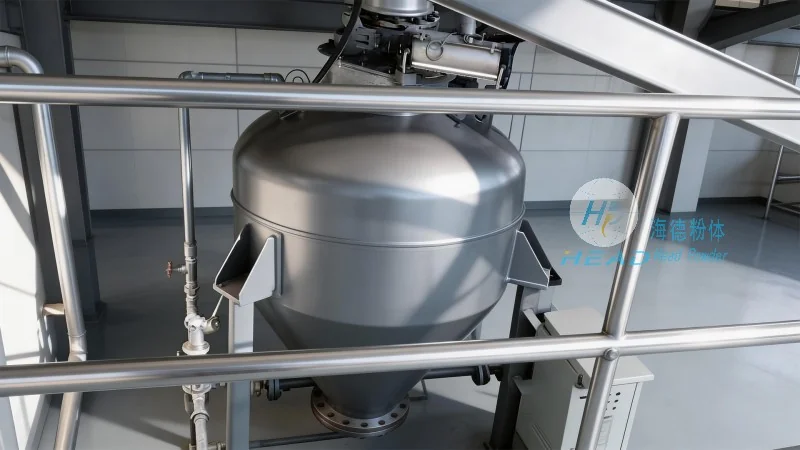
The **material of construction** for the pipeline and components is also an important consideration. Sand is abrasive and can cause significant wear on metal surfaces over time. Using high-quality, wear-resistant materials such as stainless steel or special alloys can extend the system's lifespan and reduce the likelihood of blockages caused by pipe degradation. Shandong HeadPowder Engineering Co., Ltd. selects materials based on the specific characteristics of the sand being conveyed, ensuring durability and longevity.
In addition to the design parameters mentioned above, the layout and flow path of the pneumatic conveying system play a vital role in preventing blockages. The system should be designed with smooth transitions and minimal bends or changes in direction, as sharp turns can cause particles to settle and accumulate. The use of appropriate fittings, such as elbows and tees, with smooth internal surfaces can help maintain consistent flow and reduce the risk of blockages. Shandong HeadPowder Engineering Co., Ltd. designs systems with a focus on minimizing turbulence and ensuring a continuous, unobstructed flow path from the inlet to the outlet.
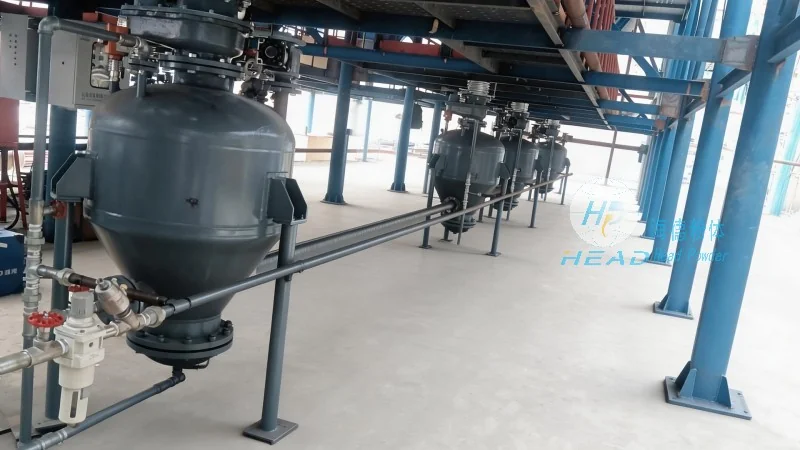
Even with optimal design, regular monitoring and maintenance are essential to prevent pipeline blockages in pneumatic conveying systems for sand transport. Shandong HeadPowder Engineering Co., Ltd. recommends implementing a comprehensive monitoring system that includes pressure sensors, flow meters, and particle size analyzers. These tools allow operators to detect early signs of potential blockages, such as changes in pressure or flow rate, and take corrective action before a full blockage occurs. Additionally, routine maintenance, including cleaning of pipelines and replacement of worn components, is crucial to maintain the system's performance and prevent long-term issues.
Preventing pipeline blockages in pneumatic conveying systems for sand transport requires a systematic approach that considers multiple design parameters and operational strategies. By optimizing air velocity, gas-solid ratio, pipeline diameter, system pressure, material selection, and system layout, along with implementing effective monitoring and maintenance practices, Shandong HeadPowder Engineering Co., Ltd. ensures reliable and efficient sand transport. As a trusted partner in the industry, the company continues to innovate and provide tailored solutions to meet the unique challenges of sand handling, helping clients achieve optimal performance and minimize downtime.

 Shandong Headpowder Engineering Co., Ltd.
 156-6277-7102(Manager Zhang)
  0531-83386006
  Zhangqiu District, Jinan City, Shandong Province, China
telephone
WeChatconsult
top