With more than 10‑year industry experience, Shandong Headpowder delivers full‑service pneumatic‑conveying systems and blowers, undertaking nationwide turn‑key powder‑handling projects.
For industries dealing with glass fiber cellulose materials, efficient material handling is crucial for maintaining production efficiency and operational safety. Pneumatic conveying systems offer a non-contact, flexible solution for transporting these materials. This article provides an introduction to the working principles and classification applications of glass fiber cellulose pneumatic conveying, highlighting key aspects that are vital for understanding and implementing such systems.
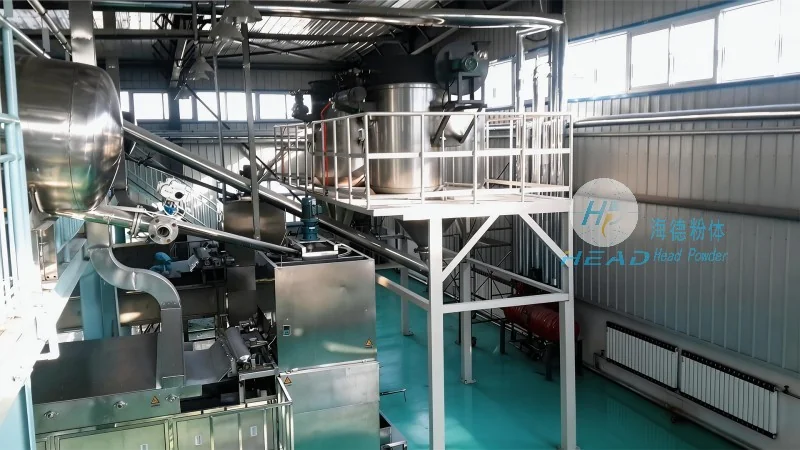
Glass fiber cellulose is a type of material commonly used in various industrial applications, including insulation, filtration, and composite manufacturing. Its handling requires specialized equipment due to its fine particle size and potential for static charge accumulation. Pneumatic conveying systems utilize air or gas to transport these materials through a pipeline network, eliminating the need for mechanical components that could cause contamination or damage to the material.
The fundamental principle of pneumatic conveying involves the use of differential pressure to move material particles through a sealed system. There are two primary methods: pressure and vacuum systems. In pressure systems, air is compressed and introduced at the discharge end, pushing material particles forward. Vacuum systems, conversely, create a negative pressure at the intake end, drawing material into the pipeline. For glass fiber cellulose, which is often lightweight and prone to dust, the choice of system depends on the material's characteristics, such as particle size distribution and moisture content.
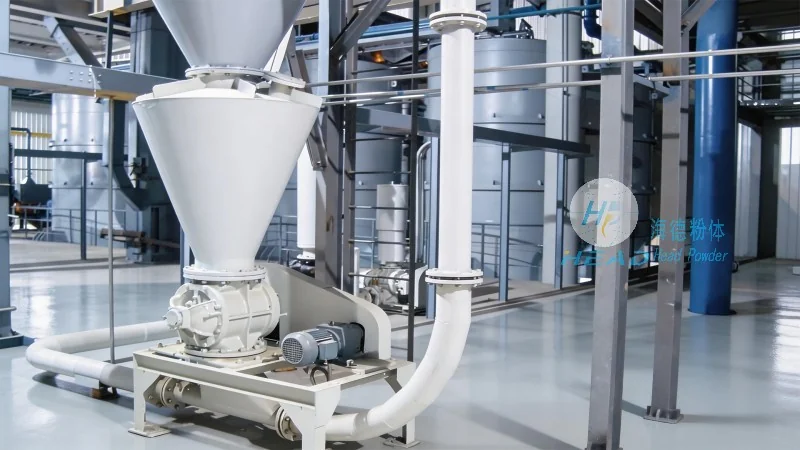
Pneumatic conveying systems for glass fiber cellulose can be classified based on several factors, including the conveying velocity, system pressure, and material handling requirements. The main classifications include:
Dilute phase systems operate at high velocities (typically 20-30 m/s) and low pressure differentials. They are suitable for transporting fine particles over short to medium distances. In this method, the material is suspended in the air stream, allowing for efficient transport with minimal pressure drop. This is particularly effective for glass fiber cellulose, as the fine particles can be easily entrained and moved through the pipeline.
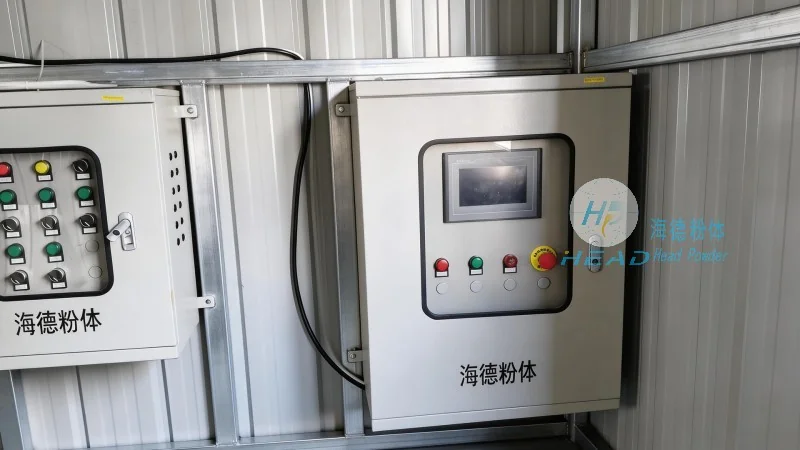
Dense phase systems operate at lower velocities (5-15 m/s) and higher pressure differentials. They are designed to transport materials more gently, reducing the risk of particle degradation or damage. This method is ideal for handling sensitive materials like glass fiber cellulose, where excessive velocity could cause abrasion or breakage. Dense phase systems often use pulse or valve-controlled operations to maintain a consistent material flow.
Glass fiber cellulose pneumatic conveying systems find applications across various sectors. In the insulation industry, these systems are used to transport loose-fill insulation materials to installation sites. In the filtration sector, they help move filter media to and from processing units. Additionally, in composite manufacturing, they facilitate the delivery of glass fiber cellulose to mixing and molding equipment. The flexibility of pneumatic conveying allows for integration into existing production lines, enhancing overall operational efficiency.
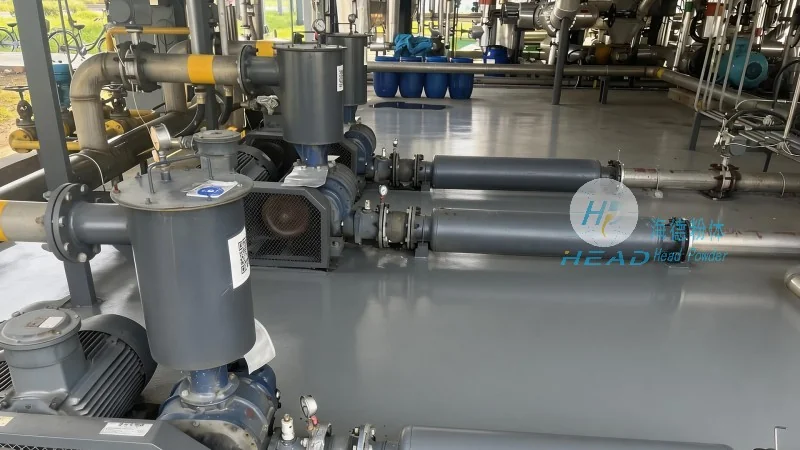
When designing a pneumatic conveying system for glass fiber cellulose, several factors must be considered to ensure optimal performance. These include the material's particle size, moisture content, and flow characteristics. The system's pressure and velocity must be carefully calibrated to prevent blockages or excessive wear on components. Additionally, the use of appropriate filters and dust collection systems is essential to maintain air quality and comply with environmental regulations. Proper maintenance, such as regular cleaning of pipelines and checking for air leaks, is also critical to ensure long-term system reliability.
Shandong HeadPowder Engineering Co., Ltd., operating under the brand name headpowder, is a leading provider of pneumatic conveying solutions tailored for glass fiber cellulose and other fine materials. With headquarters in Shandong, China, the company specializes in designing, manufacturing, and installing customized conveying systems that meet the unique needs of various industries. Their expertise in material handling technology ensures that clients receive efficient, reliable, and cost-effective solutions for their material transport requirements.

 Shandong Headpowder Engineering Co., Ltd.
 156-6277-7102(Manager Zhang)
  0531-83386006
  Zhangqiu District, Jinan City, Shandong Province, China
telephone
WeChatconsult
top