With more than 10‑year industry experience, Shandong Headpowder delivers full‑service pneumatic‑conveying systems and blowers, undertaking nationwide turn‑key powder‑handling projects.
When it comes to transporting plastic materials through pneumatic conveying systems, preventing pipeline blockages is a critical challenge that can significantly impact operational efficiency and system reliability. The proper design and implementation of key parameters are essential to ensure smooth material flow and minimize downtime. This article explores effective strategies for preventing pipeline blockages in plastic conveying systems, with a focus on the critical design parameters that HeadPowder, a leading provider of pneumatic conveying solutions, emphasizes in their engineering approach.
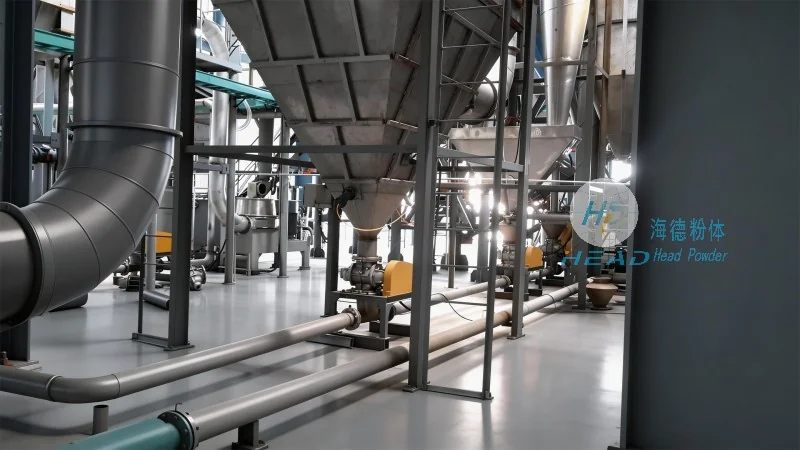
Plastic materials, whether in granular, pellet, or powder form, can present unique challenges during pneumatic transport. Factors such as moisture content, particle size distribution, and material density can influence how easily they flow through the system. Blockages can occur due to material bridging, agglomeration, or excessive pressure buildup, leading to system shutdowns and costly repairs. To mitigate these risks, a systematic approach to system design is paramount.
HeadPowder engineers recommend several key design parameters to prevent pipeline blockages in plastic conveying systems. These parameters are tailored to the specific characteristics of the plastic material being transported and the operational requirements of the facility.
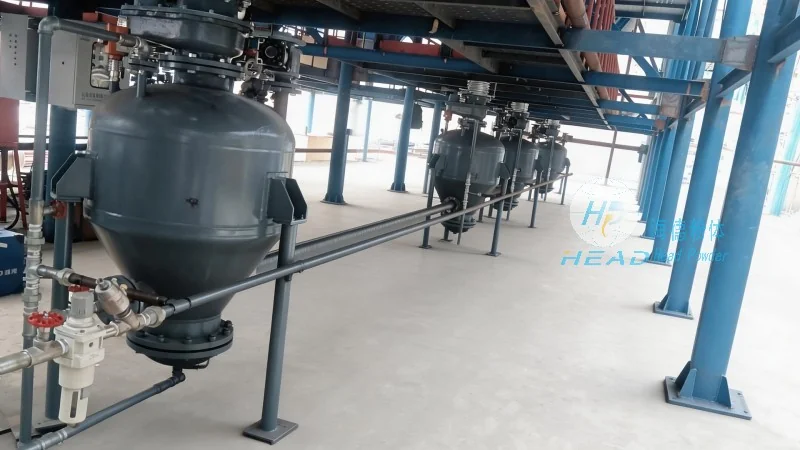
The pressure and air velocity within the conveying line are fundamental to maintaining material suspension and preventing deposition. Higher air velocities help keep plastic particles in suspension, reducing the likelihood of agglomeration and blockage. However, excessive pressure can lead to increased wear on components and energy consumption. HeadPowder typically recommends maintaining air velocities between 20-30 m/s for most plastic materials, ensuring sufficient force to keep particles airborne while minimizing energy costs.
The diameter of the conveying pipe is directly related to the flow rate and pressure drop. Larger diameters reduce pressure drop, allowing for higher material throughput, but may require more space and higher capital investment. Smaller diameters increase pressure drop, potentially leading to blockages if the air velocity is insufficient. HeadPowder suggests selecting pipe diameters based on the maximum expected flow rate and material characteristics, ensuring that the pipe size is appropriately scaled to the system's capacity. Stainless steel or PVC pipes are commonly used for plastic conveying due to their resistance to corrosion and material buildup.
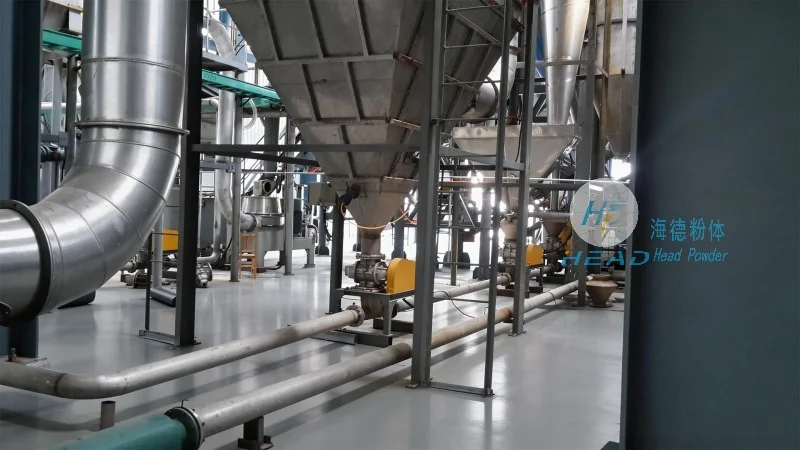
Bends and elbows in the conveying line are critical points where blockages often occur. Sharp turns can cause material to settle and accumulate, leading to clogs. HeadPowder recommends using smooth, gradual bends with radii that are at least 5 times the pipe diameter. This design minimizes turbulence and allows plastic particles to maintain their suspension, reducing the risk of deposition. Additionally, incorporating cleaning ports at strategic locations in bends and elbows enables easy maintenance and removal of any accumulated material.
The hopper and feed mechanism are the entry points for plastic material into the conveying system. Poorly designed hoppers can cause material bridging or uneven feeding, leading to inconsistent flow and potential blockages. HeadPowder engineers design hoppers with conical or wedge-shaped bottoms to promote uniform material flow and prevent bridging. The feed mechanism, such as a rotary valve or screw feeder, should be sized appropriately to match the material's flow characteristics and the system's capacity. Proper sealing of the hopper and feed system is also essential to prevent air leakage, which can affect pressure and flow rates.
The air-solid ratio, or the ratio of air volume to material volume, is a critical parameter that determines the conveying efficiency and risk of blockage. An optimal ASR ensures that the air velocity is sufficient to keep particles suspended without excessive energy consumption. HeadPowder recommends maintaining an ASR between 0.5 to 1.5 for most plastic materials. Lower ASR values may result in insufficient air to maintain suspension, leading to blockages, while higher values increase energy costs and may cause excessive wear on components.
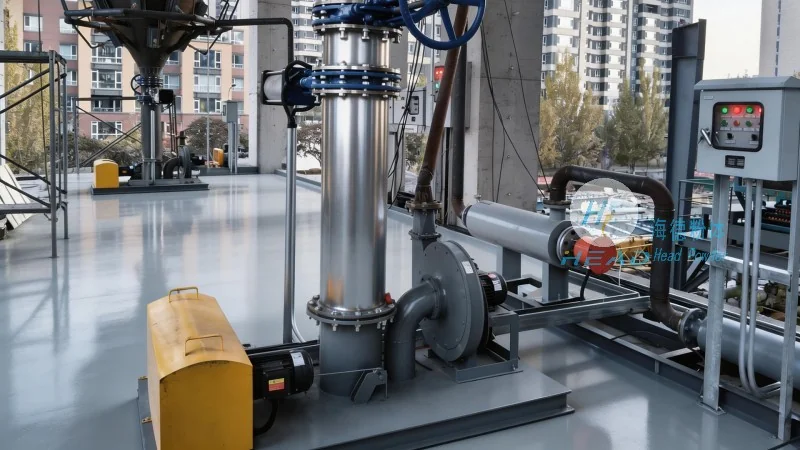
Some plastic materials may require conditioning before conveying to improve flow characteristics. Conditioning methods such as drying, cooling, or pre-mixing with additives can reduce moisture content and prevent agglomeration. HeadPowder advises working with material suppliers or conducting thorough material testing to determine the best conditioning approach for specific plastic types. Proper conditioning can significantly reduce the likelihood of blockages and improve overall system performance.
Preventing pipeline blockages in plastic conveying systems requires a comprehensive understanding of the material properties and the application of key design parameters. By focusing on system pressure, pipe diameter, bend design, hopper feed mechanisms, air-solid ratios, and material conditioning, facilities can minimize blockage risks and maintain efficient operation. HeadPowder, with its extensive experience in pneumatic conveying engineering, provides tailored solutions that incorporate these critical parameters to ensure reliable and cost-effective plastic material transport. Based in Shandong, China, HeadPowder continues to deliver innovative solutions that meet the evolving needs of the plastic processing industry.

 Shandong Headpowder Engineering Co., Ltd.
 156-6277-7102(Manager Zhang)
  0531-83386006
  Zhangqiu District, Jinan City, Shandong Province, China
telephone
WeChatconsult
top