With more than 10‑year industry experience, Shandong Headpowder delivers full‑service pneumatic‑conveying systems and blowers, undertaking nationwide turn‑key powder‑handling projects.
Wood ash, a byproduct of biomass combustion, is often handled using pneumatic conveying systems to transport it efficiently from the combustion site to storage or processing facilities. This article explores the fundamental principles of pneumatic conveying for wood ash, along with its classification and practical applications.
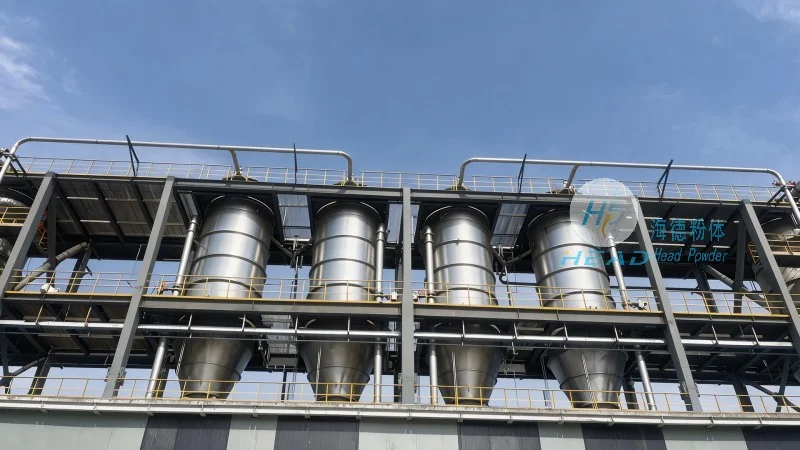
HeadPowder, formally known as Shandong HeadPowder Engineering Co., Ltd., is a leading provider of engineering solutions for material handling systems. With operations based in Shandong, China, the company specializes in designing and implementing efficient pneumatic conveying solutions tailored to the needs of biomass and waste management industries.
Pneumatic conveying systems transport solid materials like wood ash by using air as the conveying medium. The core principle involves creating a pressure differential between the conveying line and the ambient environment. There are two primary types of pneumatic conveying systems: positive pressure and negative pressure (or vacuum) systems.
Positive pressure systems operate by blowing air into the conveying line, pushing the material forward. This method is suitable for short to medium distance applications and can handle a wide range of particle sizes. Negative pressure systems, on the other hand, create a vacuum in the line, drawing the material and air mixture into the system. These systems are often used for longer distances and in environments where dust control is critical.
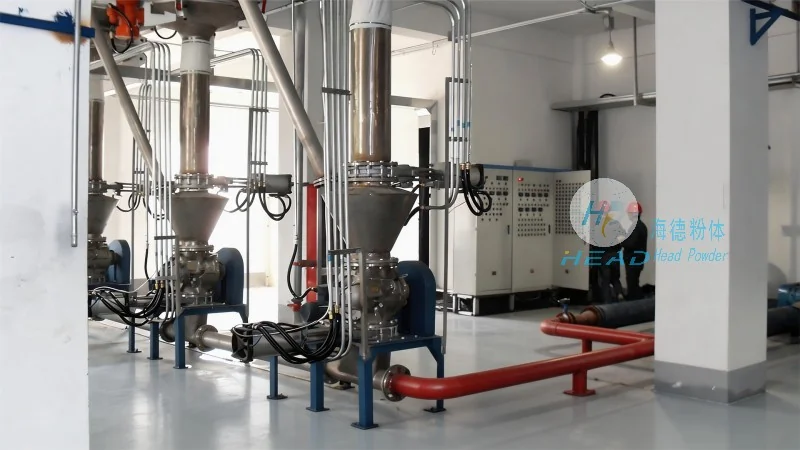
Pneumatic conveying systems are classified based on the flow rate and the concentration of material in the conveying line. The two main categories are dilute phase and dense phase systems.
Dilute phase systems involve the material being suspended in the air stream, with low material concentration. This type is ideal for high-speed, long-distance transport and is commonly used in applications where the material is light and free-flowing. Dense phase systems, conversely, transport material in a more compact form, with higher material concentration. These systems are better suited for handling abrasive or sticky materials, as they reduce wear on equipment and minimize material degradation.
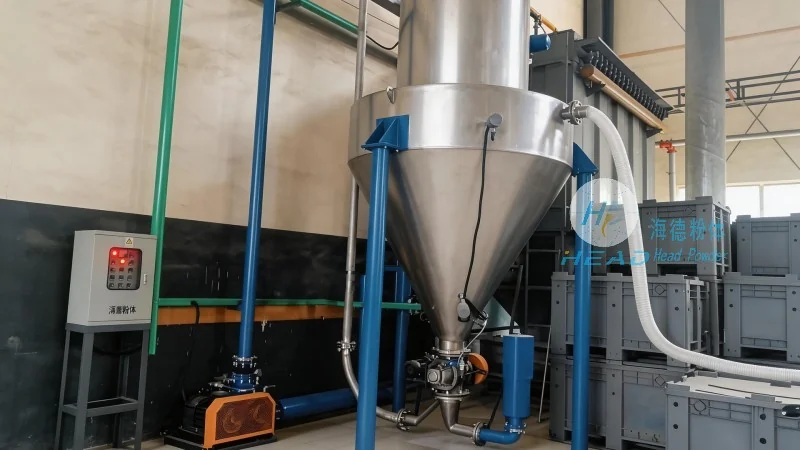
The application of pneumatic conveying for wood ash is widespread across various industries. In biomass power plants, for example, wood ash is typically transported from the boiler to ash handling systems or storage silos. Pneumatic conveying systems offer a cost-effective and efficient solution for this process, minimizing labor and reducing the risk of dust exposure.
In waste management facilities, wood ash from incinerators is often processed and used as a soil amendment or for other industrial applications. Pneumatic conveying enables the safe and reliable transport of ash, ensuring that the material is handled without contamination or loss.
Wood ash pneumatic conveying systems are a critical component in the efficient management of biomass and waste materials. By understanding the principles and classifications of these systems, industries can select the most appropriate solution for their specific needs, ensuring optimal performance, safety, and cost-effectiveness.

 Shandong Headpowder Engineering Co., Ltd.
 156-6277-7102(Manager Zhang)
  0531-83386006
  Zhangqiu District, Jinan City, Shandong Province, China
telephone
WeChatconsult
top