

What Comprises Flour Pneumatic Conveying
Flour pneumatic conveying systems are essential in modern food processing and industrial applications, ensuring efficient and safe transport of fine powders like flour. The components of such a system are carefully designed to handle the unique properties of flour, including its fine particle size, hygroscopic nature, and potential for dust explosion risks. Understanding the key components is crucial for optimizing performance, maintaining product quality, and ensuring operational safety. Shandong HeadPowder Engineering Co., Ltd., a leading provider of flour handling solutions, specializes in designing and manufacturing high-quality pneumatic conveying systems tailored to the specific needs of flour processing industries.
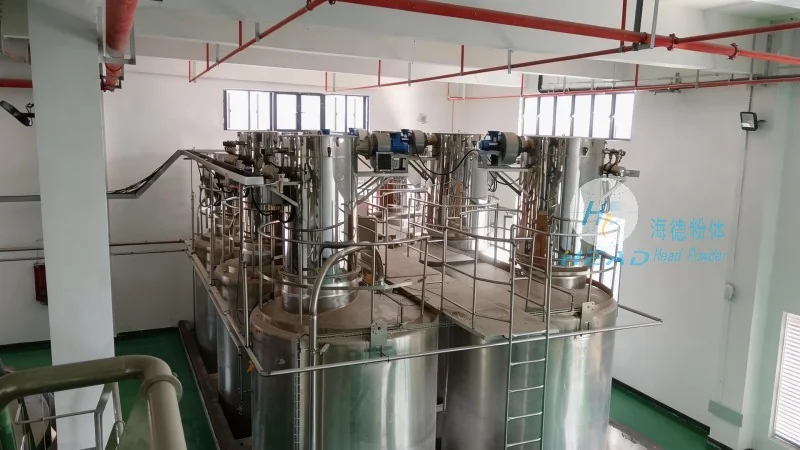
Core Components of a Flour Pneumatic Conveying System
The primary components of a flour pneumatic conveying system typically include the material feed hopper, the conveying line (air ducts), the air supply system (blowers or compressors), and the receiving hopper or silo. Each component plays a vital role in the overall operation of the system.
The material feed hopper is responsible for storing and feeding the flour into the system. It is usually equipped with a metering device, such as a rotary valve or a screw feeder, to control the flow rate of the material. This ensures a consistent and controlled feed, preventing overloading or underfeeding that could affect the conveying efficiency. The hopper is often designed with a smooth interior to minimize material buildup and reduce the risk of clogging, which is critical for maintaining the flow of fine powders.
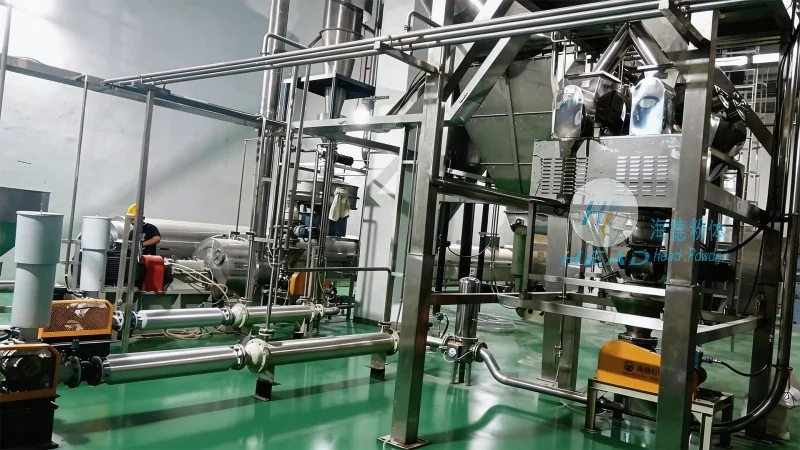
The conveying line consists of a network of air ducts that transport the flour and air mixture. These ducts are typically made of stainless steel or other corrosion-resistant materials to withstand the abrasive nature of flour particles and to prevent contamination. The design of the ducts, including the use of bends, elbows, and straight sections, is optimized to minimize pressure drop and energy consumption. Specialized components like pulse jet valves or rotary airlocks are often integrated into the ductwork to control the flow and prevent backflow, ensuring smooth and continuous operation.
The air supply system provides the necessary airflow to move the flour particles through the conveying line. This is usually achieved using a high-pressure blower or a rotary lobe compressor. The blower is selected based on the required air volume and pressure, which depends on the material's properties, the system's length, and the desired conveying rate. The air supply system is typically equipped with a filter to remove any dust or debris from the air, ensuring that the conveyed flour remains clean and free from contaminants. Additionally, a moisture control system may be included to regulate the humidity of the air, which is important for preventing flour from clumping or caking during transport.
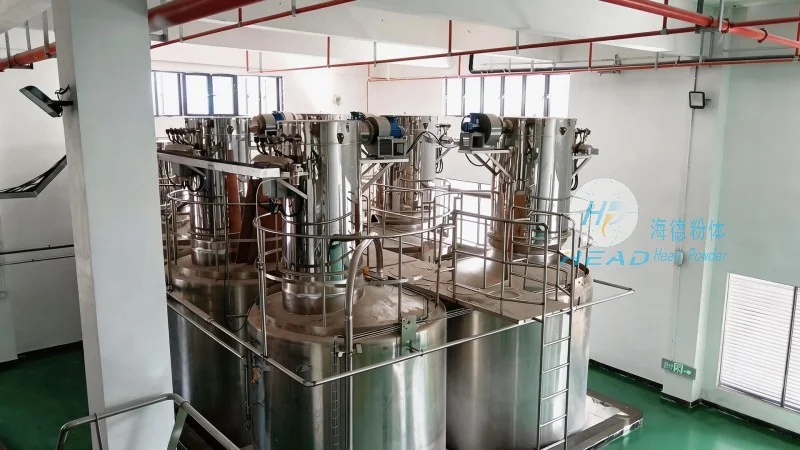
The receiving hopper or silo is the final component of the system, where the flour is collected after being conveyed. It is designed to store the flour under controlled conditions, such as low humidity and temperature, to maintain product quality. The hopper may include a discharge system, such as a rotary valve or a screw conveyor, to control the release of the flour to downstream processes. The design of the receiving hopper also considers the need for easy cleaning and maintenance, as flour can adhere to surfaces and cause hygiene issues.
Additional Components and Considerations
Beyond the core components, a flour pneumatic conveying system may include additional elements to enhance performance and safety. These can include dust collection systems, such as cyclones or bag filters, to capture any flour particles that escape the conveying line and prevent environmental contamination. The system may also be equipped with monitoring and control devices, such as pressure sensors, flow meters, and variable frequency drives, to optimize operation and detect any issues in real-time.
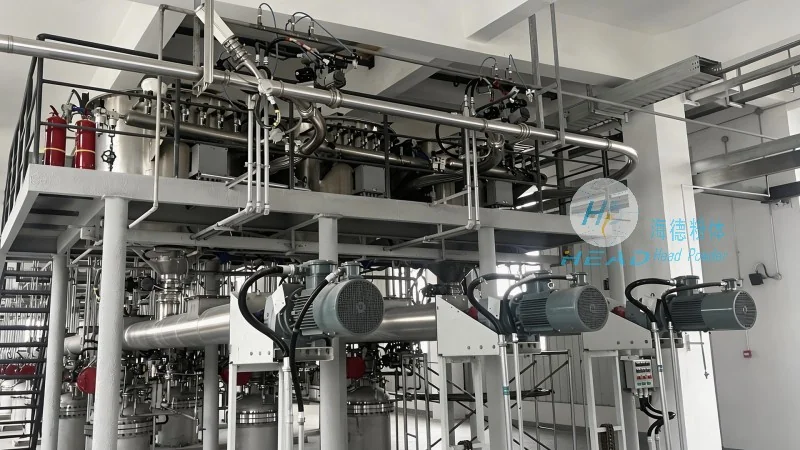
For flour applications, special attention is given to explosion prevention measures. This includes the use of explosion-proof components, such as spark arrestors and flame arrestors, in the air supply and conveying line. The system may also be designed with a venting system to release any built-up pressure in case of an explosion, ensuring the safety of the personnel and equipment. Additionally, the use of inert gases or other explosion-proof materials may be considered in high-risk environments to further reduce the risk of dust explosions.
Another important consideration is the maintenance and cleaning of the system. Flour can accumulate in the hopper, ducts, and other components, leading to clogging and reduced efficiency. Regular cleaning and maintenance schedules are essential to keep the system operating at peak performance. This may include the use of cleaning tools, such as brushes or air guns, and the application of anti-adhesion coatings to prevent flour from sticking to surfaces.