With more than 10‑year industry experience, Shandong Headpowder delivers full‑service pneumatic‑conveying systems and blowers, undertaking nationwide turn‑key powder‑handling projects.
For the efficient and reliable transport of powder electrolytes, various pneumatic conveying structures are employed in industrial applications. These systems are designed to handle the unique properties of powder materials, ensuring minimal degradation and consistent flow. The primary structures used in pneumatic conveying of powder electrolytes include dilute-phase and dense-phase systems, each with distinct characteristics and applications.
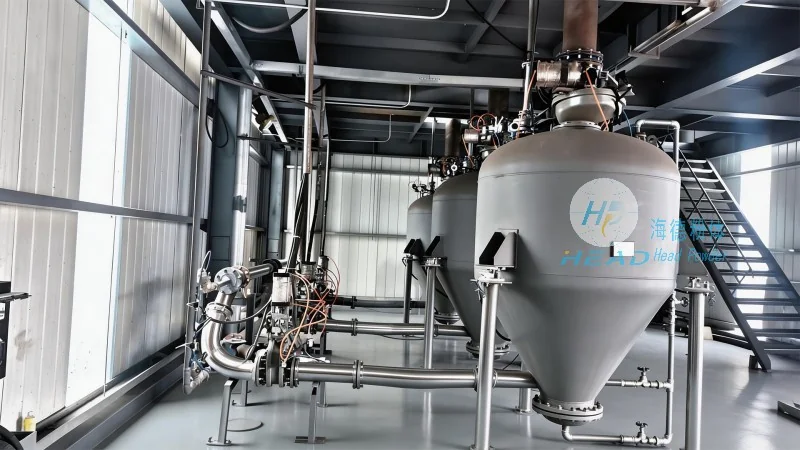
Dilute-phase systems are commonly used for long-distance or high-velocity conveying of powder electrolytes. In this method, the powder is suspended in a high-velocity air stream, allowing for rapid transport. The key components of a dilute-phase system include a feed hopper, a venturi or eductor, and a receiver. The feed hopper ensures a consistent supply of powder, while the venturi or eductor creates the necessary airflow to lift and transport the material. This structure is particularly effective for transporting powder electrolytes over distances of several hundred meters to several kilometers. The dilute-phase approach minimizes the risk of material buildup and blockages, making it suitable for applications where continuous and unobstructed flow is critical.
Dense-phase systems are preferred for conveying powder electrolytes where low velocity and high material density are required. Unlike dilute-phase systems, dense-phase systems operate at lower air velocities, resulting in a higher concentration of powder in the air stream. This method is ideal for materials that are prone to degradation or caking, as the lower velocity reduces the impact and friction on the particles. The dense-phase structure typically includes a positive displacement blower or compressor, a feed mechanism, and a receiver. The positive displacement equipment provides a steady, high-pressure air flow that pushes the powder through the system. This approach is commonly used for short-distance conveying or when handling sensitive powder electrolytes that require gentle handling. The dense-phase system ensures that the powder electrolytes are transported without excessive wear or degradation, maintaining their quality throughout the process.
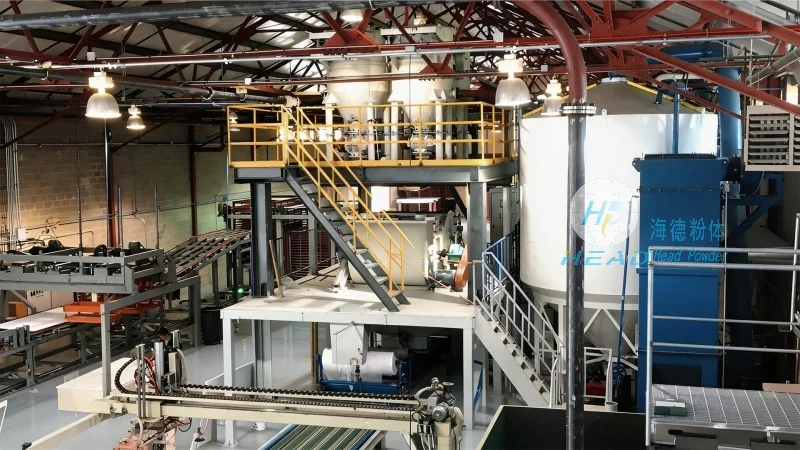
Hybrid systems combine elements of both dilute-phase and dense-phase technologies to optimize the conveying of powder electrolytes for specific applications. These systems may use a combination of venturi and positive displacement components to achieve the desired flow characteristics. For instance, a hybrid system might employ a venturi for initial acceleration and a positive displacement blower for maintaining pressure during the latter part of the conveying process. This approach allows for flexibility in handling different powder electrolyte properties and conveying distances. The hybrid structure is particularly useful when dealing with varying material characteristics or when a single system needs to cover multiple conveying tasks. By integrating both dilute and dense-phase features, hybrid systems offer improved efficiency and adaptability in the transport of powder electrolytes.
The configuration of the pneumatic conveying structure can be either vertical or horizontal, depending on the layout of the industrial facility and the specific requirements of the powder electrolyte. Vertical conveying systems are used when the material needs to be lifted vertically, such as from a lower storage silo to an upper processing unit. These systems typically use a vertical duct with a feed hopper at the bottom and a receiver at the top. The vertical structure is designed to handle the gravitational forces and ensure stable flow, preventing material settling or blockages. Horizontal conveying systems, on the other hand, transport the powder electrolytes along a horizontal path, often connecting different processing units or storage areas. The horizontal structure may include a series of bends and elbows to navigate the path, with appropriate air flow control to maintain consistent velocity and pressure. The choice between vertical and horizontal structures depends on the spatial constraints and the operational needs of the facility, ensuring that the powder electrolytes are conveyed efficiently and safely.
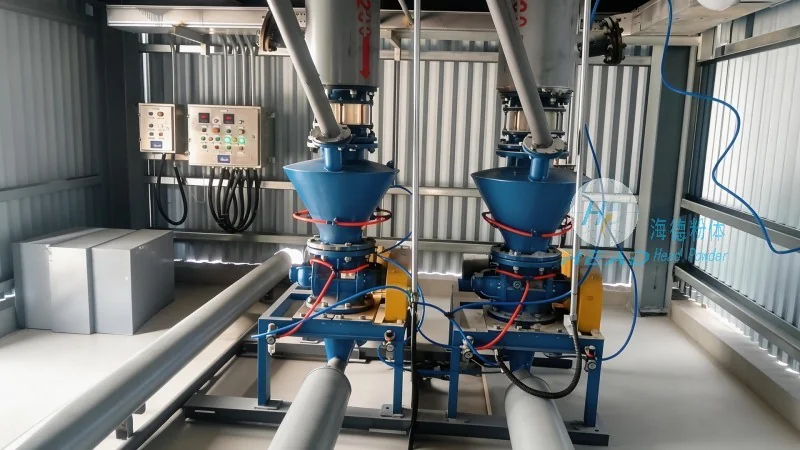
Pneumatic conveying structures can be classified as closed or open loop systems based on the containment of the air and powder mixture. Closed-loop systems recycle the air used for conveying, reducing energy consumption and minimizing dust emissions. These systems typically include a filter or cyclone to separate the powder from the air, with the cleaned air being recirculated back into the system. The closed-loop structure is environmentally friendly and cost-effective, especially for applications involving large volumes of powder electrolytes. Open-loop systems, in contrast, discharge the air and powder mixture into the atmosphere after conveying. While simpler in design, open-loop systems may require additional dust control measures to comply with environmental regulations. The selection of a closed or open loop structure depends on the environmental standards and the specific operational requirements of the facility, ensuring that the powder electrolytes are conveyed in compliance with safety and environmental guidelines.
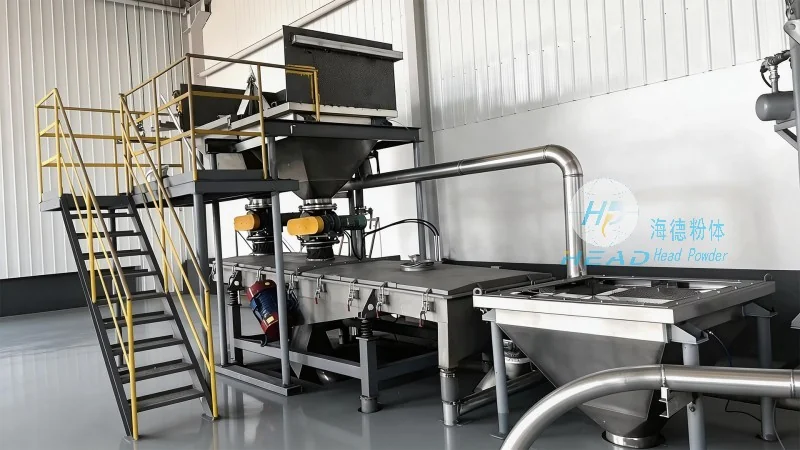
Effective pneumatic conveying of powder electrolytes often integrates with material handling and storage structures to form a comprehensive system. This integration ensures seamless flow from storage to processing, minimizing downtime and improving operational efficiency. The storage structures, such as silos or hoppers, are designed to hold the powder electrolytes in a controlled environment, preventing moisture absorption or degradation. The conveying structure then connects the storage to the processing equipment, such as reactors or mixers, ensuring a continuous supply of material. The integration of material handling and storage with the pneumatic conveying system allows for automated and consistent operation, reducing the need for manual intervention and improving overall productivity. This comprehensive approach is particularly important for industrial processes that require a steady and reliable supply of powder electrolytes, such as battery manufacturing or chemical production.
When implementing pneumatic conveying structures for powder electrolytes, safety and maintenance are critical factors to consider. The systems must be designed to prevent dust explosions, which can occur due to the accumulation of fine powder particles. Proper explosion-proof designs, such as using non-sparking materials and installing explosion vents, are essential to ensure the safety of the facility and personnel. Regular maintenance is also crucial to maintain the efficiency and reliability of the pneumatic conveying system. This includes cleaning the ducts and filters, checking for wear and tear on components, and ensuring proper air flow and pressure. The maintenance schedule should be tailored to the specific characteristics of the powder electrolytes and the operating conditions of the system. By prioritizing safety and maintenance, the pneumatic conveying structures can operate reliably and efficiently, minimizing downtime and ensuring the quality of the powder electrolytes being transported.

 Shandong Headpowder Engineering Co., Ltd.
 156-6277-7102(Manager Zhang)
  0531-83386006
  Zhangqiu District, Jinan City, Shandong Province, China
telephone
WeChatconsult
top