With more than 10‑year industry experience, Shandong Headpowder delivers full‑service pneumatic‑conveying systems and blowers, undertaking nationwide turn‑key powder‑handling projects.
Understanding the principles and applications of gypsum ash pneumatic conveying is crucial for industries dealing with bulk material handling. This article provides an in-depth look at the mechanisms behind this technology and its various classifications, tailored for professionals seeking efficient solutions in material transport. HeadPowder, a leading provider of engineering solutions, specializes in designing and implementing pneumatic conveying systems tailored to the unique needs of industries handling gypsum ash.
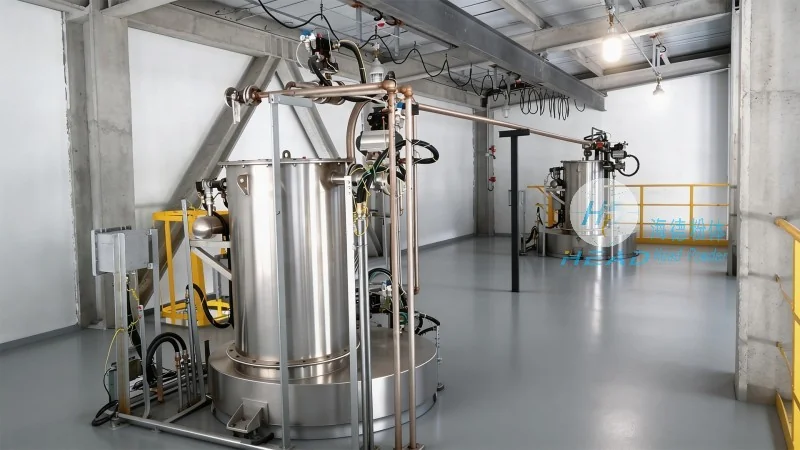
Gypsum ash, a byproduct from industrial processes such as power generation and cement production, requires reliable and efficient handling methods. Pneumatic conveying offers a solution that minimizes dust exposure, reduces material loss, and enhances operational safety compared to traditional methods like belt conveyors or screw conveyors. The technology involves transporting bulk materials through a pipeline using air pressure, making it ideal for handling fine and abrasive powders like gypsum ash.
At the core of pneumatic conveying systems is the use of air to move material through a sealed pipeline. The process typically involves a few key components: a material feed hopper, a conveying line, a control valve, and a discharge point. The system operates by creating a pressure differential—either positive or negative—within the pipeline. In positive pressure systems, air is forced through the line, carrying the material along. Negative pressure systems, or vacuum systems, pull the material into the line using suction. For gypsum ash, which is often fine and prone to caking, positive pressure systems are commonly preferred due to their ability to handle high material loads and maintain consistent flow rates.
Several critical components ensure the smooth operation of pneumatic conveying systems for gypsum ash. The material feed hopper is designed to store and meter the ash into the conveying line, preventing blockages and ensuring a steady feed rate. The conveying line itself is typically made of corrosion-resistant materials like stainless steel or plastic to withstand the abrasive nature of gypsum ash and prevent material buildup. Control valves regulate the air flow and pressure, allowing operators to adjust the conveying speed and volume as needed. The discharge point is where the material is released from the system, often equipped with filters or cyclones to separate any remaining air from the ash, ensuring a clean discharge.
Pneumatic conveying systems for gypsum ash are categorized based on the pressure differential used and the material's characteristics. The two main types are positive pressure and negative pressure systems.
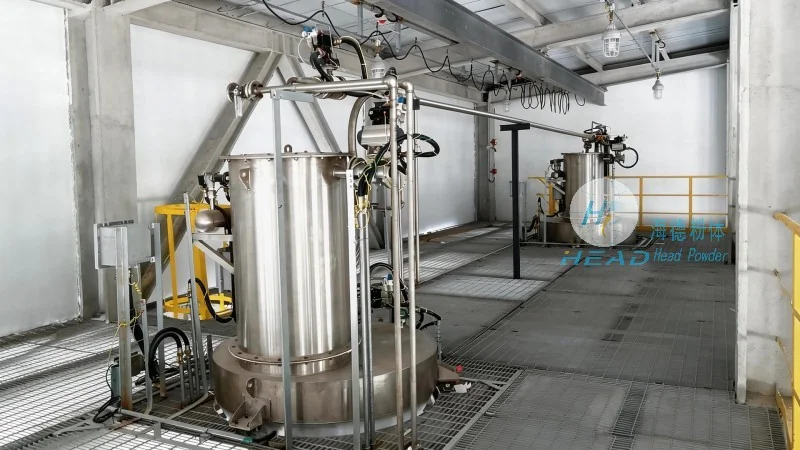
Positive pressure systems, as mentioned earlier, use compressed air to push the material through the pipeline. These systems are suitable for high-volume applications and can handle long distances and multiple transfer points. They are particularly effective for gypsum ash because they can maintain consistent flow rates even with varying material properties. Negative pressure systems, or vacuum systems, use suction to draw the material into the pipeline. These systems are better suited for shorter distances and applications where dust control is a top priority, as the suction process inherently reduces dust emissions.
Within these main categories, there are further classifications based on the conveying method. Dilute phase systems are the most common for gypsum ash, where the material is suspended in the air stream as a fine mist. This method is efficient for high-volume transport and is widely used in industrial settings. Dense phase systems, on the other hand, transport material in a more concentrated form, with larger particles supported by the air flow. This method is ideal for applications requiring precise control over material discharge, such as in batching processes or when handling materials that are prone to segregation.
The versatility of pneumatic conveying systems makes them suitable for a wide range of applications involving gypsum ash. In power plants, for example, pneumatic conveying is used to transport ash from boiler ash hoppers to storage silos or disposal sites. This method reduces the need for manual handling and minimizes the risk of dust exposure for workers. In cement production, gypsum ash is often used as a raw material in the production of gypsum plaster or cement additives. Pneumatic conveying ensures that the ash is delivered to the mixing plants in a controlled manner, maintaining consistent quality and reducing material waste.
In construction and building materials industries, gypsum ash is used as a filler in wallboard and other building products. Pneumatic conveying systems efficiently transport the ash from storage facilities to production lines, ensuring a steady supply of raw material. The technology also finds applications in environmental remediation, where gypsum ash is used for soil stabilization or as a neutralizing agent for acidic soils. The ability to handle fine powders and transport them over long distances makes pneumatic conveying an ideal solution for these applications.
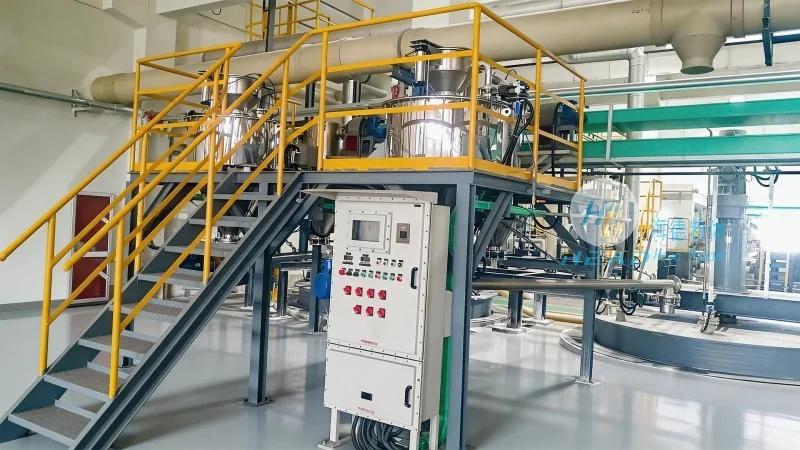
Compared to traditional material handling methods, pneumatic conveying offers several advantages for gypsum ash transport. One of the primary benefits is improved safety. By eliminating the need for manual handling and reducing dust exposure, the risk of respiratory diseases and other health issues is significantly reduced. This is particularly important in industries where workers are regularly exposed to fine powders. Another advantage is the reduction in material loss. Traditional conveyors often experience leakage and spillage, leading to material loss and increased operational costs. Pneumatic systems, being sealed, minimize these losses, ensuring that the material is transported efficiently and cost-effectively.
Efficiency is another key advantage. Pneumatic conveying systems can handle high volumes of material at a relatively low cost compared to other methods. The ability to transport material over long distances without the need for intermediate storage or transfer points makes the process more streamlined. Additionally, the technology is adaptable to various material properties, allowing it to handle gypsum ash with different moisture content and particle sizes. This flexibility makes it suitable for a wide range of industrial applications.
While pneumatic conveying offers numerous benefits, there are also challenges and considerations that must be addressed when implementing such systems for gypsum ash. One of the main challenges is the abrasive nature of gypsum ash, which can cause wear and tear on the conveying components. Stainless steel or high-grade plastic materials are typically used to minimize this wear, but regular maintenance is still required to ensure the system's longevity. Another challenge is the potential for material buildup in the pipeline, especially in dense phase systems. This can lead to blockages and reduced efficiency, requiring regular cleaning or the use of anti-caking agents to prevent caking.
Moisture content is another factor that can affect the performance of pneumatic conveying systems. Gypsum ash with high moisture content can lead to caking and reduced flow rates. To mitigate this, the ash is often dried before being conveyed, or the system is designed with features that prevent moisture accumulation. Additionally, the system's design must account for the material's density and flow characteristics. Gypsum ash can vary in density depending on its source and processing, so the conveying system must be calibrated to handle these variations effectively.

 Shandong Headpowder Engineering Co., Ltd.
 156-6277-7102(Manager Zhang)
  0531-83386006
  Zhangqiu District, Jinan City, Shandong Province, China
telephone
WeChatconsult
top