

Principle and Classification Application of Caustic Soda Pneumatic Conveying
Caustic soda, also known as sodium hydroxide, is a widely used chemical in various industrial processes. The efficient and safe transportation of caustic soda is crucial for industrial operations, and pneumatic conveying systems have emerged as a reliable solution. This article provides an in-depth exploration of the working principle of caustic soda pneumatic conveying, along with its classification and practical applications.

Understanding Caustic Soda Pneumatic Conveying
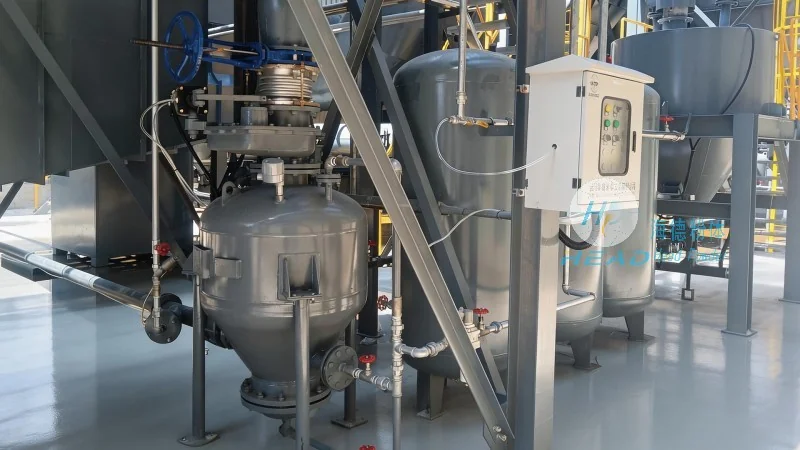
Pneumatic conveying involves the use of air or gas to transport bulk materials, including caustic soda, through a pipeline system. The core principle revolves around creating a pressure differential to move the material. In the case of caustic soda, which is often in solid form (such as flakes or pellets), the system typically employs a combination of positive and negative pressure to ensure effective and controlled transport. The process begins with the material being introduced into a hopper or feeder, where it is then drawn or pushed by the air flow through the pipeline to the destination point.
Working Principle of Caustic Soda Pneumatic Conveying
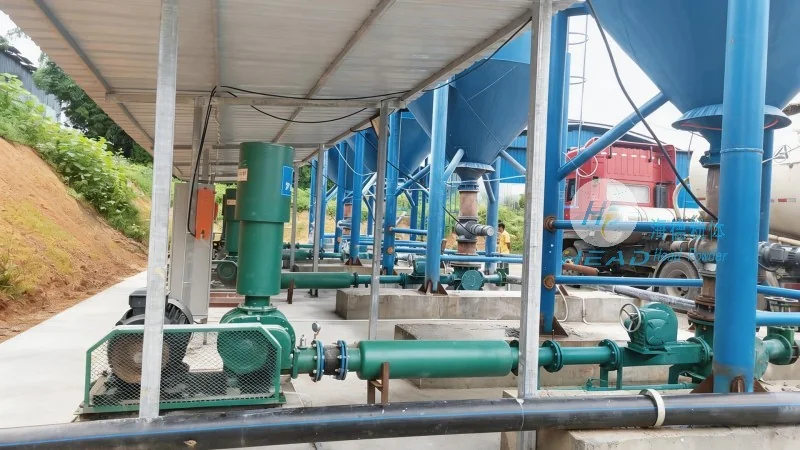
The working principle of caustic soda pneumatic conveying can be broken down into several key components. First, the material is fed into the conveying system, usually via a rotary valve or screw feeder, ensuring a consistent flow. Next, the air is introduced into the system, either by a blower or compressor, creating the necessary pressure. The air flow then carries the caustic soda particles through the pipeline. The velocity of the air is critical; it must be sufficient to overcome the gravitational force and friction within the pipeline, ensuring that the material is transported without clogging or degradation. The system may also include a filter or separator at the receiving end to separate the material from the air, allowing for clean discharge.
Classification of Caustic Soda Pneumatic Conveying Systems
Caustic soda pneumatic conveying systems are broadly classified into two main categories: aspiration (or suction) systems and pressure (or blow) systems. Each type has distinct characteristics and is suitable for different operational requirements.
Aspiration (Suction) Systems
Aspiration systems operate under negative pressure, drawing the material from the source to the receiver. These systems are commonly used for short-distance conveying and are particularly effective when the material is to be transported from a lower elevation to a higher one. The primary advantage of aspiration systems is their ability to handle fine powders and prevent dust emissions at the source. However, they have limitations in terms of conveying distance and material capacity, as the pressure drop can affect the efficiency.
Pressure (Blow) Systems
Pressure systems operate under positive pressure, pushing the material from the source to the receiver. These systems are ideal for longer distances and higher material capacities. They can handle a wider range of material types, including bulkier or more abrasive materials. The main advantage is their ability to maintain consistent flow rates and handle larger volumes, making them suitable for industrial-scale applications. Pressure systems typically use a blower or compressor to generate the necessary pressure, ensuring reliable operation.
Applications of Caustic Soda Pneumatic Conveying
The application of caustic soda pneumatic conveying spans multiple industries, including chemical manufacturing, paper production, and water treatment. In chemical plants, these systems are used to transport caustic soda from storage tanks to reactors or processing units, ensuring a continuous supply of the chemical. In the paper industry, caustic soda is used in the pulping process, and pneumatic conveying helps in transporting it from storage to the pulping machines. Water treatment facilities also rely on these systems to transport caustic soda for pH adjustment and water purification processes.
Advantages of Using Pneumatic Conveying for Caustic Soda
Implementing pneumatic conveying for caustic soda offers several advantages over traditional methods such as belt conveyors or bucket elevators. Firstly, it provides a closed system, which minimizes dust emissions and ensures environmental compliance. This is particularly important for caustic soda, which can be hazardous if released into the environment. Secondly, pneumatic systems offer flexibility in terms of layout, as they can be installed in various configurations, including vertical, horizontal, or inclined pipelines. This allows for integration into existing plant layouts without major structural changes. Thirdly, the system is relatively simple to operate and maintain, with fewer moving parts compared to mechanical conveyors. This reduces downtime and maintenance costs, making it a cost-effective solution in the long run.
Considerations for Implementing Caustic Soda Pneumatic Conveying
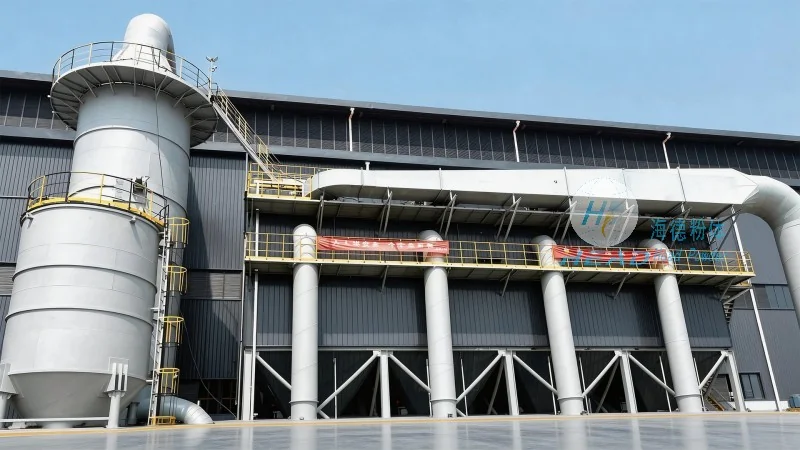
While pneumatic conveying offers numerous benefits, there are several considerations to keep in mind when implementing such a system for caustic soda. The first is the material's properties, such as its moisture content and particle size. Caustic soda is hygroscopic, meaning it can absorb moisture from the air, which may affect its handling and transport. Therefore, the system must be designed to minimize exposure to moisture and maintain the material's integrity. Secondly, the system must be constructed from materials that are resistant to caustic soda, such as stainless steel or specialized plastics, to prevent corrosion and ensure durability. Thirdly, the air flow rate and pressure must be carefully controlled to avoid material degradation or clogging. Proper filtration and separation systems are also essential to maintain the quality of the conveyed material and protect the equipment from wear and tear.
Conclusion
Caustic soda pneumatic conveying is a vital technology in modern industrial operations, offering efficient, safe, and flexible transportation of this essential chemical. By understanding the working principles and classification of these systems, industries can select the most appropriate solution for their specific needs. The advantages of closed systems, flexibility, and reduced maintenance make pneumatic conveying an attractive option, especially when compared to traditional methods. As industrial demands continue to evolve, the importance of reliable and efficient material handling systems, such as those provided by companies like Shandong HeadPowder Engineering Co., Ltd., will only grow. With their expertise in engineering and manufacturing, such companies play a crucial role in ensuring that caustic soda is transported safely and effectively, supporting the smooth operation of various industrial processes.