

What is a Quantitative Feeding Material Pneumatic Conveying Line? What Are Its Design Principles?
Welcome to Shandong HeadPowder Engineering Co., Ltd., a leading provider of advanced material handling solutions. In this article, we will explore the concept of quantitative feeding material pneumatic conveying lines and delve into the core design principles that underpin their functionality and efficiency.
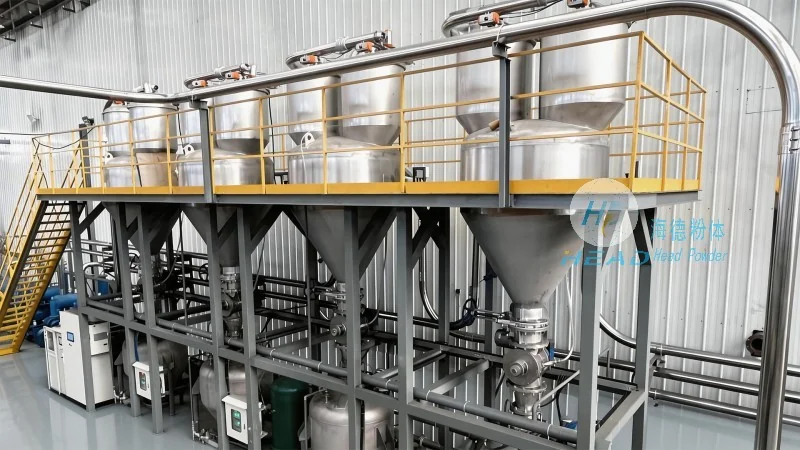
Understanding Quantitative Feeding Material Pneumatic Conveying Lines
A quantitative feeding material pneumatic conveying line is a sophisticated system designed to transport bulk materials in a controlled and precise manner. This technology is widely used in various industries, including food processing, pharmaceuticals, chemicals, and mining, where accurate material dosing and reliable transport are critical. The system combines the principles of pneumatic conveying with precise feeding mechanisms to ensure consistent flow rates and minimal material loss.
Key Components and Functionality
The quantitative feeding material pneumatic conveying line typically consists of several key components that work in harmony to achieve its objectives. These include a material hopper, a feeding device (such as a rotary valve or screw feeder), a pneumatic conveying pipeline, a dust collector, and a discharge unit. The feeding device is the heart of the system, as it regulates the flow of material into the conveying line, ensuring that the quantity delivered is consistent and meets the required specifications.
The material hopper stores the bulk material and provides a stable feed source. It is designed to prevent material bridging and ensure a smooth flow into the feeder. The pneumatic conveying pipeline transports the material from the feeding point to the discharge point using compressed air or other gases. The pipeline is usually made of stainless steel or other corrosion-resistant materials to accommodate various material types and environmental conditions.
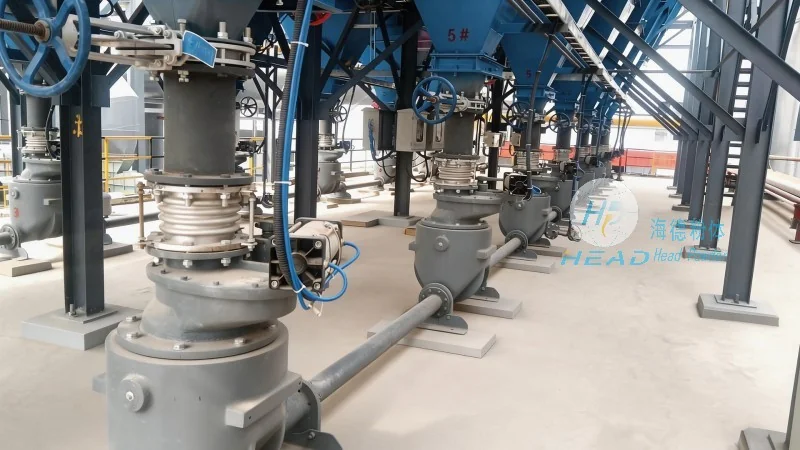
Design Principles for Optimal Performance
The design of a quantitative feeding material pneumatic conveying line is governed by several critical principles aimed at maximizing efficiency, reliability, and safety. One of the primary principles is the maintenance of consistent pressure and flow within the system. This is achieved through the use of pressure regulators, flow meters, and other control devices that monitor and adjust the air pressure and material flow in real-time.
Another important design principle is the prevention of material degradation and contamination. The system is designed with materials that are resistant to corrosion and wear, and the conveying process is optimized to minimize particle breakage and exposure to air. This is particularly crucial in industries where product quality and purity are paramount, such as in food and pharmaceutical applications.
Efficiency and energy conservation are also key considerations in the design. The system is engineered to minimize energy consumption while maximizing material throughput. This is achieved through the use of efficient feeding mechanisms, optimized pipeline designs, and advanced control systems that reduce unnecessary air usage and maintain optimal operating conditions.
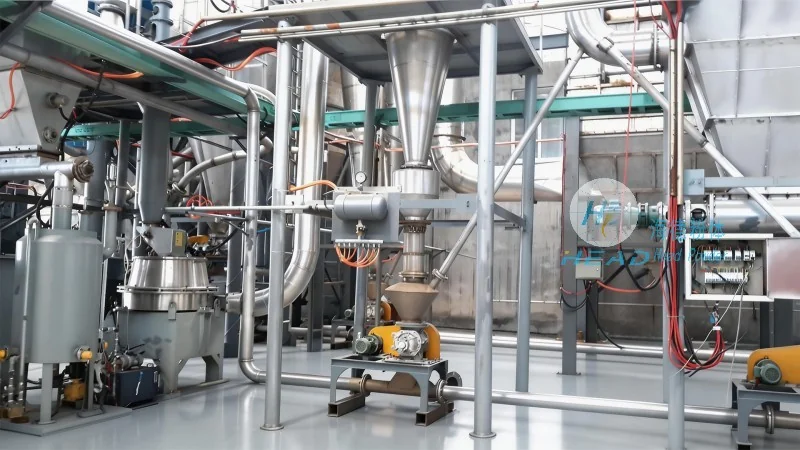
Applications and Benefits
Quantitative feeding material pneumatic conveying lines offer numerous benefits across a wide range of industrial applications. They provide a cost-effective and flexible solution for transporting bulk materials over short to medium distances, with minimal labor requirements and reduced material handling costs. The precise feeding capabilities of these systems ensure accurate dosing, which is essential for processes that require consistent material input, such as batching, mixing, and packaging.
Additionally, the pneumatic conveying method eliminates the need for mechanical components like belts or buckets, reducing maintenance and downtime. The system is also highly adaptable, allowing for easy integration with existing production lines and the ability to handle a variety of material types, including powders, granules, and even fine particles.
Conclusion
In conclusion, quantitative feeding material pneumatic conveying lines are advanced material handling systems that combine precision feeding with efficient pneumatic transport. The design principles behind these systems focus on consistency, reliability, and efficiency, making them an ideal solution for industries that demand accurate material dosing and reliable transport. At Shandong HeadPowder Engineering Co., Ltd., we specialize in the design, manufacturing, and installation of such systems, providing tailored solutions to meet the unique needs of our clients.