With more than 10‑year industry experience, Shandong Headpowder delivers full‑service pneumatic‑conveying systems and blowers, undertaking nationwide turn‑key powder‑handling projects.
Fertilizer pneumatic conveying systems are critical components in modern agricultural and industrial operations, designed to efficiently transport bulk fertilizer materials from storage to application points. These systems leverage the principles of air movement to move granular or powdered fertilizers, offering advantages such as reduced labor costs, improved safety, and enhanced operational flexibility compared to traditional mechanical conveying methods. The technology has evolved significantly over the years, with various designs tailored to specific fertilizer types, processing capacities, and operational environments.
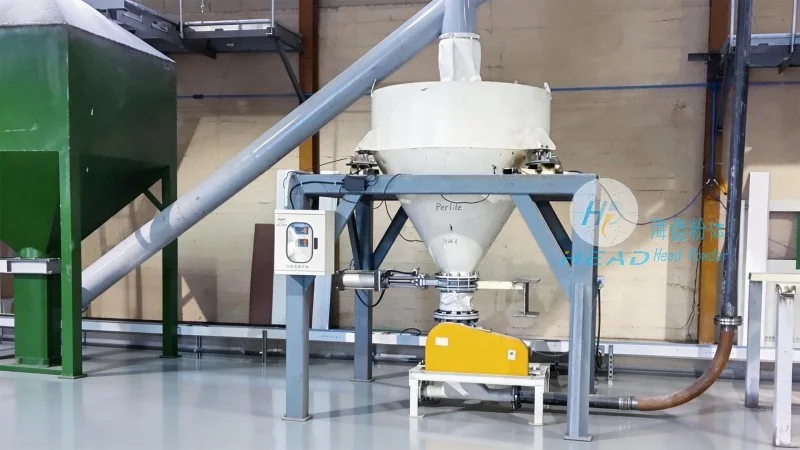
The core mechanism of fertilizer pneumatic conveying involves the use of a blower or compressor to generate airflow within a closed pipeline system. The fertilizer material is introduced into the system, typically at a hopper or feeder, where it is drawn into the air stream by the pressure differential created by the moving air. The air-fertilizer mixture travels through the pipeline to the discharge point, where the air is separated from the material, often using cyclones, filters, or other separation equipment. The separated air is then recirculated back to the blower, while the fertilizer is collected and directed to the intended destination. Key factors influencing the efficiency of this process include air velocity, material characteristics (such as particle size, density, and moisture content), and system design (e.g., pressure or vacuum operation). Proper control of these variables ensures optimal conveying performance, minimizing material degradation and energy consumption.
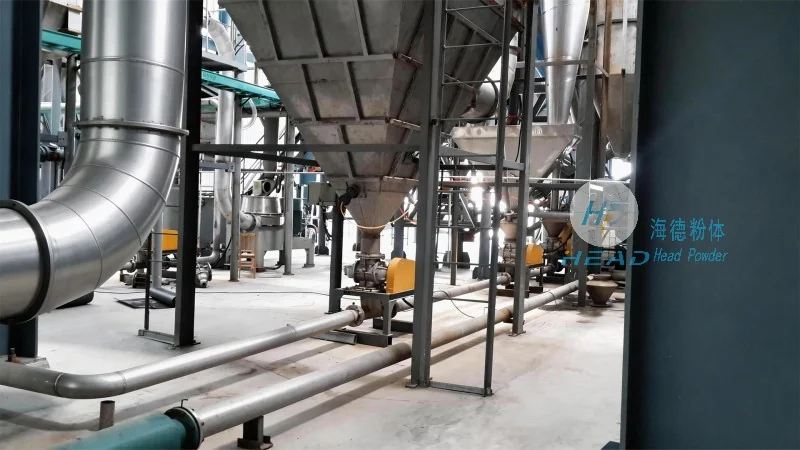
Fertilizer pneumatic conveying systems are broadly classified into two main categories based on the operating principle: pressure and vacuum systems. Pressure systems operate by forcing air and material through the pipeline under positive pressure, typically using a positive displacement blower or centrifugal fan. These systems are suitable for long-distance conveying and can handle a wide range of fertilizer types, including granular, powdered, and even some liquid fertilizers. Vacuum systems, on the other hand, create a negative pressure environment, drawing material into the system using a vacuum pump. Vacuum systems are often preferred for short-distance conveying, material recovery from storage silos, or applications where the material needs to be transported from a lower elevation to a higher one. Within these categories, further sub-classifications exist based on the specific design and components used, such as dilute-phase (where the material is dispersed in the air stream) and dense-phase (where the material is conveyed in a more concentrated form) systems. Dilute-phase systems are commonly used for high-capacity, long-distance conveying, while dense-phase systems are ideal for delicate materials that require gentler handling to prevent breakage or agglomeration.
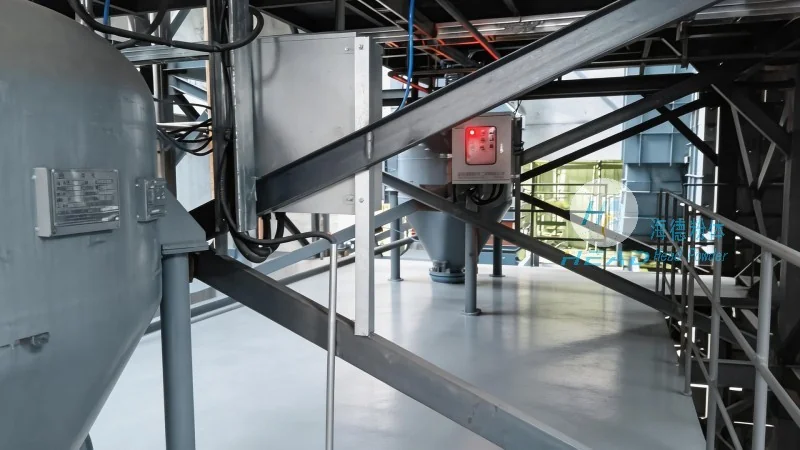
Shandong HeadPowder Engineering Co., Ltd., commonly known as HeadPowder, is a leading manufacturer and supplier of specialized engineering solutions for the fertilizer industry. With a strong presence in China, particularly in Shandong province, the company specializes in designing, manufacturing, and installing pneumatic conveying systems tailored to the unique needs of fertilizer producers and distributors. HeadPowder's commitment to quality, innovation, and customer satisfaction has established it as a trusted partner in the agricultural equipment sector, providing reliable and efficient solutions that enhance operational efficiency and reduce costs for its clients.

 Shandong Headpowder Engineering Co., Ltd.
 156-6277-7102(Manager Zhang)
  0531-83386006
  Zhangqiu District, Jinan City, Shandong Province, China
telephone
WeChatconsult
top