With more than 10‑year industry experience, Shandong Headpowder delivers full‑service pneumatic‑conveying systems and blowers, undertaking nationwide turn‑key powder‑handling projects.
Your current position:首页 >> News >> Q&A

Principle and Classification Application of Riced Flour Pneumatic Conveying

Release time:2026-09-14 10:39:54
name of the company:Shandong Headpowder Engineering Co., Ltd.
telephone:156-6277-7102
contacts:Manager Zhang

HeadPowder, a prominent enterprise in the field, specializes in pneumatic conveying solutions for riced flour applications. This article explores the fundamental principles of pneumatic conveying, its classifications, and practical applications in industrial settings. By understanding these aspects, businesses can optimize material handling processes, enhance efficiency, and ensure product integrity.
Principle and Classification Application of Riced Flour Pneumatic Conveying

Company Overview: HeadPowder Engineering

HeadPowder is a professional manufacturer and supplier of pneumatic conveying equipment, with its headquarters located in Shandong, China. The company, known for its innovative designs and reliable performance, serves a wide range of industries, including food processing, pharmaceuticals, and chemical manufacturing. HeadPowder's commitment to quality and customer satisfaction has established it as a trusted partner for businesses seeking efficient material handling solutions.

Understanding Pneumatic Conveying Principles

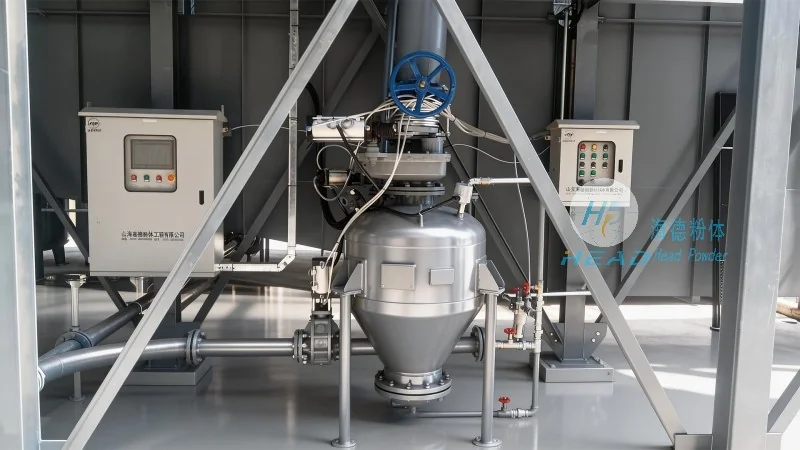
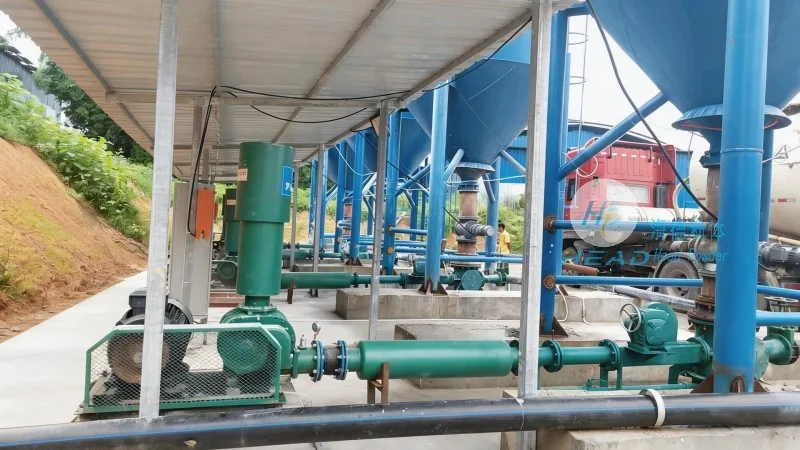
Pneumatic conveying is a method of transporting bulk materials, such as riced flour, using a stream of pressurized air or vacuum. The core principle involves creating a flow of air that moves the material through a pipeline. This process can be categorized into two main types: pressure and vacuum systems. Pressure systems utilize compressed air to push the material forward, while vacuum systems use a vacuum to draw the material into the pipeline. The choice between these systems depends on factors like material properties, distance, and system complexity.
Principle and Classification Application of Riced Flour Pneumatic Conveying

Classifications of Pneumatic Conveying Systems

Pneumatic conveying systems for riced flour are typically classified based on their operating pressure and the method of material transport. The primary classifications include:

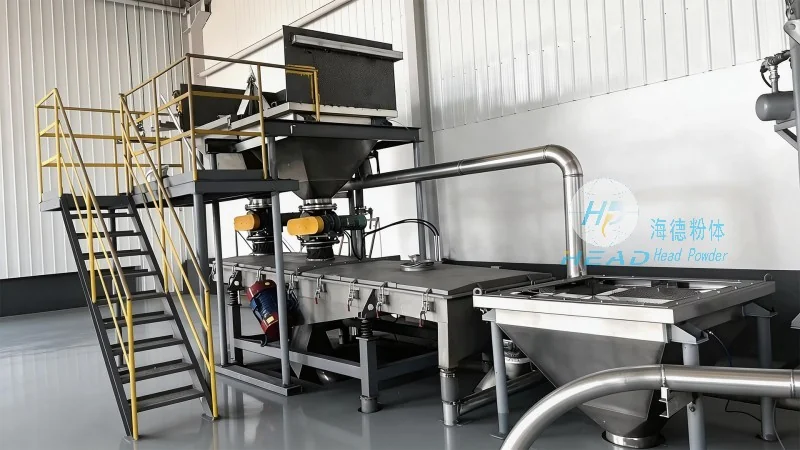
  • Positive Pressure Systems: These systems use compressed air to force the material through the pipeline. They are suitable for short to medium distances and can handle a wide range of materials, including fine powders like riced flour. Positive pressure systems are often preferred for their ability to handle abrasive or corrosive materials without causing wear on the system components.
  • Negative Pressure (Vacuum) Systems: In contrast, vacuum systems create a low-pressure environment that draws the material into the pipeline. These systems are ideal for applications requiring material to be drawn from multiple sources or over longer distances. Vacuum systems are commonly used in industries where dust control and material recovery are critical, as they can effectively capture and transport fine powders while minimizing environmental impact.
  • Combined Systems: Some applications may benefit from a hybrid approach, combining elements of both pressure and vacuum systems. For instance, a system might use a vacuum to draw material from a hopper and then a pressure boost to transport it over longer distances. This approach offers flexibility and can optimize performance for specific operational needs.

Application Scenarios in Riced Flour Processing

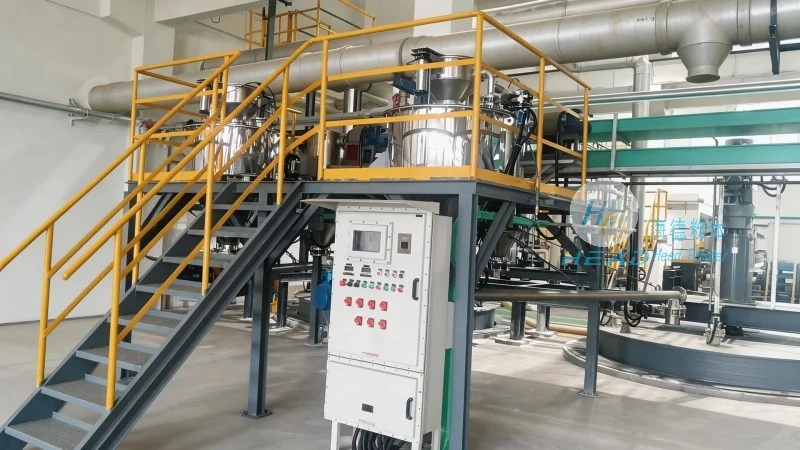
The application of pneumatic conveying in riced flour processing varies based on the production scale and operational requirements. For small to medium-sized operations, a simple pressure system may suffice for transporting riced flour from storage silos to processing equipment. In larger industrial settings, more complex systems with multiple conveying lines and material handling stations are employed to manage high volumes efficiently.
Principle and Classification Application of Riced Flour Pneumatic Conveying

Key applications include:

Principle and Classification Application of Riced Flour Pneumatic Conveying

  • Raw Material Transport: Moving riced flour from storage facilities to production lines, ensuring a continuous supply without manual handling.
  • Process Integration: Integrating pneumatic conveying with other processing steps, such as mixing, blending, or packaging, to streamline the production workflow.
  • Dust Control and Environmental Compliance: Using enclosed systems to prevent dust emissions, which is crucial for maintaining a safe and compliant working environment, especially in food processing industries.
  • Product Transfer to Packaging: Transferring riced flour directly to packaging machines, reducing the need for manual loading and improving operational efficiency.

Benefits of Pneumatic Conveying for Riced Flour

Implementing pneumatic conveying systems for riced flour offers several advantages that enhance operational performance and product quality:

  • Efficiency and Speed: Pneumatic systems can transport materials quickly and continuously, reducing downtime and increasing overall production throughput.
  • Product Integrity: The enclosed nature of pneumatic conveying minimizes exposure to contaminants, moisture, and air, preserving the quality and freshness of riced flour.
  • Space Efficiency: Unlike traditional belt or bucket elevators, pneumatic systems require less floor space, making them suitable for facilities with limited room for material handling equipment.
  • Reduced Labor Costs: Automated material transport reduces the need for manual labor, lowering operational costs and improving workplace safety.
  • Flexibility: Pneumatic conveying systems can be easily modified or expanded to accommodate changes in production volume or process requirements.

Conclusion

Understanding the principles and classifications of pneumatic conveying is essential for optimizing riced flour handling in industrial applications. By selecting the appropriate system based on operational needs and material characteristics, businesses can enhance efficiency, maintain product quality, and ensure compliance with industry standards. HeadPowder, with its expertise in engineering and manufacturing, provides tailored pneumatic conveying solutions that meet the specific demands of riced flour processing, helping companies achieve their operational goals effectively.

recommend

Copyright © Shandong Headpowder Engineering Co., Ltd.    营业执照公示 网站地图

top