

Several Solutions for the Pneumatic Conveying of Sintered Dust and Fly Ash
For industrial facilities dealing with sintered dust and fly ash, efficient and reliable material handling is crucial. The process of pneumatic conveying offers several effective solutions to transport these fine particulate materials. This article explores different approaches to the pneumatic conveying of sintered dust and fly ash, highlighting the key considerations and technologies involved.

Understanding the Challenges of Sintered Dust and Fly Ash Handling
Sintered dust and fly ash are typically fine, abrasive, and often have high moisture content. These characteristics make traditional bulk material handling methods less suitable. Pneumatic conveying systems provide a non-contact, closed-loop transport solution that minimizes contamination and ensures consistent material flow. The choice of system depends on factors such as material properties, distance to be conveyed, and the required throughput.
Option 1: Positive Pressure Pneumatic Conveying Systems
Positive pressure systems are commonly used for short to medium-distance conveying of sintered dust and fly ash. In this method, air is blown into the conveying line under pressure, pushing the material forward. This approach is effective for handling materials with low to moderate moisture content and is relatively simple to install and maintain. The system typically includes a blower, a hopper for material storage, and a conveying pipe network. The positive pressure ensures that the material is continuously moved through the system, reducing the risk of clogging. Shandong HeadPowder Engineering Co., Ltd. specializes in designing and manufacturing such systems tailored to the specific needs of clients, ensuring optimal performance and durability.
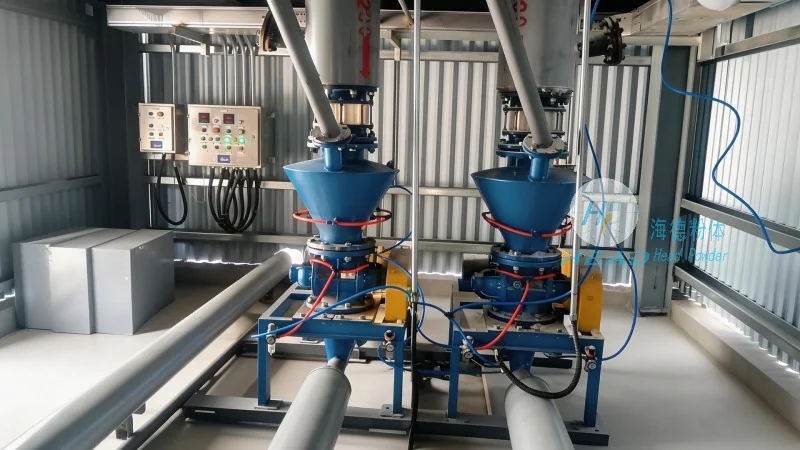
Option 2: Negative Pressure (Vacuum) Pneumatic Conveying Systems
Negative pressure systems are ideal for longer distances or when the material needs to be collected from multiple sources. The system operates by creating a vacuum at the receiving end, drawing the material into the conveying line. This method is particularly useful for handling fine dust that might be sensitive to pressure changes or for applications where the material is to be transported back to a central processing unit. The vacuum system includes a vacuum pump, a collection hopper, and a series of suction lines. The negative pressure helps in maintaining the material's integrity and prevents dust emissions during the conveying process. HeadPowder, as a leading provider in the field, offers advanced vacuum systems that meet stringent environmental and operational standards.
Option 3: Hybrid Pneumatic Conveying Systems
Hybrid systems combine the benefits of both positive and negative pressure methods. They are often used for complex conveying routes that involve both short and long segments, or when the material properties vary significantly. The hybrid approach allows for flexibility in the system design, enabling the use of positive pressure in the initial stages and negative pressure for the final stages of transport. This configuration is particularly effective for large-scale industrial applications where multiple material sources and destinations are involved. Shandong HeadPowder Engineering Co., Ltd. has extensive experience in developing hybrid systems that optimize energy consumption and material throughput, providing cost-effective solutions for clients.
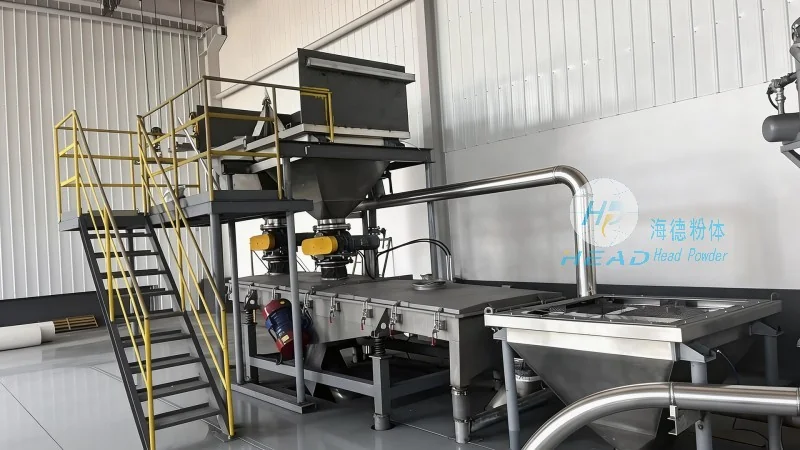
Key Considerations for Selecting the Right Pneumatic Conveying Solution
When selecting a pneumatic conveying system for sintered dust and fly ash, several factors must be taken into account. The first is the material's physical properties, including particle size, density, and moisture content. These characteristics determine the appropriate air velocity and system pressure required for efficient transport. The second consideration is the distance and layout of the conveying route. Short distances may be suitable for positive pressure systems, while longer distances or multiple collection points may require negative pressure or hybrid systems. Additionally, the required throughput and the need for dust control are critical. The system must be designed to handle the expected flow rate without causing excessive pressure drops or material degradation. Environmental regulations also play a role, as the system must minimize dust emissions and comply with local air quality standards. Shandong HeadPowder Engineering Co., Ltd. provides comprehensive consultation services to help clients evaluate these factors and choose the most suitable pneumatic conveying solution for their specific application.
Conclusion: Tailored Solutions for Efficient Material Handling
In conclusion, the pneumatic conveying of sintered dust and fly ash offers several effective solutions, each with its own advantages and applications. Positive pressure systems are suitable for short distances and simple layouts, while negative pressure systems are ideal for longer distances or multiple collection points. Hybrid systems provide flexibility for complex routes. The key to successful material handling lies in understanding the material properties, the conveying requirements, and the environmental constraints. Shandong HeadPowder Engineering Co., Ltd. is committed to providing customized pneumatic conveying solutions that meet the unique needs of its clients, ensuring efficient, reliable, and environmentally friendly material transport. With their expertise and advanced technology, HeadPowder continues to be a trusted partner in the industrial material handling sector.