With more than 10‑year industry experience, Shandong Headpowder delivers full‑service pneumatic‑conveying systems and blowers, undertaking nationwide turn‑key powder‑handling projects.
Activated carbon powder, a crucial material in various industrial applications such as air purification, water treatment, and chemical processing, requires efficient and reliable handling methods. Pneumatic conveying systems have emerged as a preferred solution for transporting activated carbon powder due to their ability to handle fine powders with minimal dust generation and high transport efficiency. This article provides an in-depth analysis of the components, working principles, and operational considerations of activated carbon powder pneumatic conveying systems, with a focus on the expertise of Shandong HeadPowder Engineering Co., Ltd., a leading provider in the field.
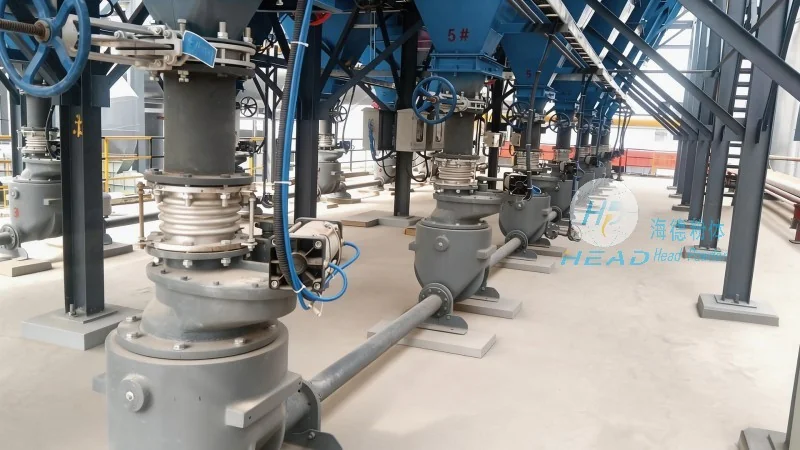
The pneumatic conveying system for activated carbon powder typically consists of several key components that work in tandem to ensure smooth and efficient material transport. The primary components include the hopper or storage silo, which serves as the source of the powder; the feeder, which controls the flow rate of the material; the conveying line, which can be either a positive pressure or negative pressure system; the separation equipment, such as cyclones or filters, to separate the powder from the air; and the dust collection system to ensure environmental compliance. Each component plays a critical role in maintaining the integrity of the activated carbon powder and preventing clogging or degradation during the conveying process.
The operation of a pneumatic conveying system for activated carbon powder involves the use of air to transport the powder particles through a pipeline. In a positive pressure system, compressed air is introduced into the hopper, creating a pressure differential that pushes the powder into the conveying line. The air and powder mixture then travels through the pipeline to the destination point, where the powder is separated from the air using a separator. In a negative pressure system, the conveying line is under a vacuum, and the air is drawn from the environment, pulling the powder into the line. The choice between positive and negative pressure systems depends on factors such as the distance of transport, the volume of material to be conveyed, and the need to minimize dust exposure. For activated carbon powder, which is often fine and prone to dust, the positive pressure system is commonly preferred as it allows for better control over the powder flow and reduces the risk of dust contamination.
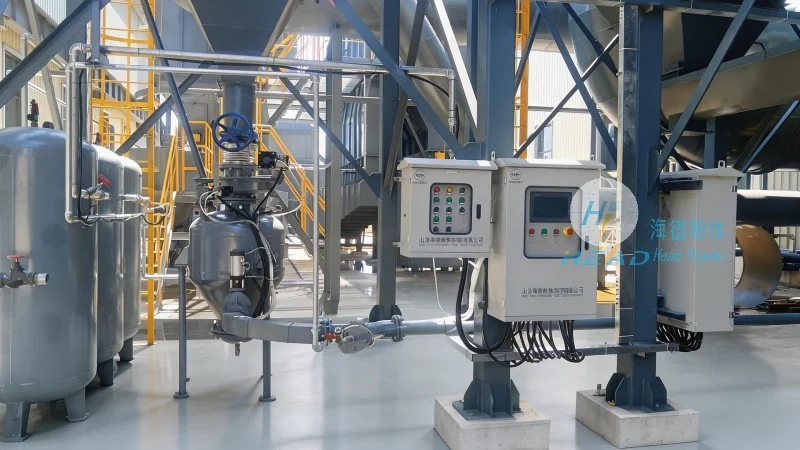
Pneumatic conveying systems offer several advantages over traditional methods like bucket elevators or belt conveyors for transporting activated carbon powder. One of the key benefits is the ability to handle fine powders without the need for additional equipment like hoppers or chutes, which can cause clogging or material degradation. The system also provides a closed environment, reducing dust emissions and improving workplace safety. Additionally, pneumatic conveying systems can transport activated carbon powder over long distances with minimal loss of material, and they are relatively easy to install and maintain. The efficiency of the system is also enhanced by the ability to adjust the air flow rate and pressure to match the specific characteristics of the activated carbon powder, ensuring optimal performance.
When operating a pneumatic conveying system for activated carbon powder, several factors need to be considered to ensure optimal performance and prevent issues such as clogging or equipment damage. The first consideration is the particle size and moisture content of the activated carbon powder, as these factors affect the flowability and dust generation. Fine powders with high moisture content are more prone to clogging and require higher air flow rates to maintain smooth transport. The second consideration is the system pressure and air flow rate, which need to be adjusted based on the distance of transport and the volume of material. Proper maintenance of the system, including regular cleaning of the conveying line and separator, is also crucial to prevent the buildup of powder and ensure long-term reliability. Additionally, the system should be equipped with safety features such as pressure relief valves and dust collection systems to comply with environmental regulations and protect personnel.
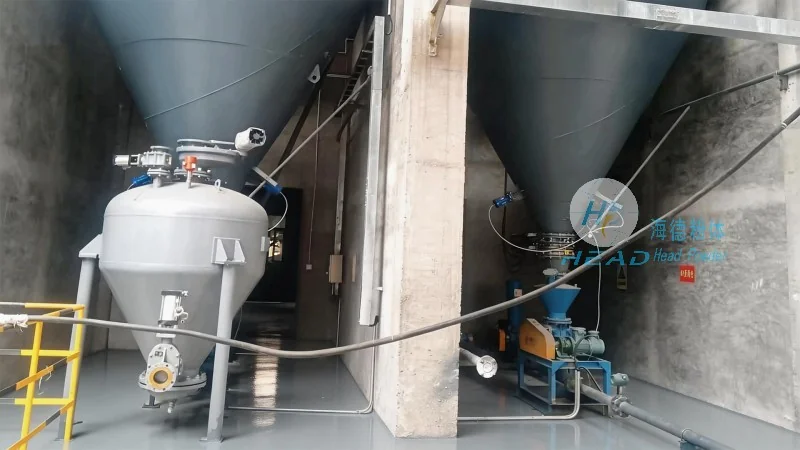
Activated carbon powder pneumatic conveying systems are widely used in various industries due to their efficiency and reliability. In the chemical industry, these systems are used to transport activated carbon powder for use in adsorption processes, such as removing impurities from gases or liquids. In the water treatment industry, they are used to transport activated carbon for filtration systems, improving the quality of drinking water and industrial wastewater. The food and beverage industry also utilizes these systems to transport activated carbon for use in food processing and packaging, ensuring product safety and quality. Additionally, in the pharmaceutical industry, pneumatic conveying systems are used to transport activated carbon powder for use in drug manufacturing and purification processes. The versatility of the system makes it suitable for a wide range of applications, and its ability to handle fine powders makes it an ideal choice for industries that require high-purity materials.
Activated carbon powder pneumatic conveying systems are a critical component in the efficient handling and transport of activated carbon powder, ensuring its quality and purity are maintained throughout the process. The systems offer numerous advantages over traditional methods, including improved efficiency, reduced dust emissions, and enhanced safety. Shandong HeadPowder Engineering Co., Ltd., with its expertise in the field, provides comprehensive solutions for the design, installation, and maintenance of pneumatic conveying systems tailored to the specific needs of activated carbon powder applications. By leveraging advanced technology and years of industry experience, HeadPowder ensures that its systems meet the highest standards of performance and reliability, contributing to the success of its clients in various industrial sectors.

 Shandong Headpowder Engineering Co., Ltd.
 156-6277-7102(Manager Zhang)
  0531-83386006
  Zhangqiu District, Jinan City, Shandong Province, China
telephone
WeChatconsult
top