With more than 10‑year industry experience, Shandong Headpowder delivers full‑service pneumatic‑conveying systems and blowers, undertaking nationwide turn‑key powder‑handling projects.
Denitrification urea, a critical component in modern industrial processes, requires efficient and reliable transportation methods to ensure optimal performance and environmental compliance. This article provides an overview of pneumatic conveying systems designed for denitrification urea, detailing their working principles and operational benefits.
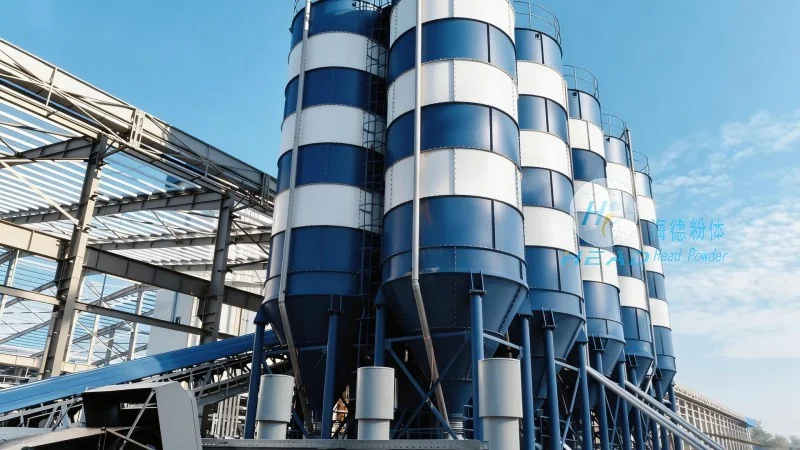
Shandong HeadPowder Engineering Co., Ltd. specializes in engineering solutions for material handling, including advanced pneumatic conveying systems tailored for denitrification urea applications. These systems are engineered to handle the unique properties of denitrification urea, such as its granular structure and potential moisture content, ensuring safe and efficient transport from storage to processing units.
Pneumatic conveying systems operate by utilizing air or gas to transport bulk materials through a pipeline network. In the case of denitrification urea, the system typically employs a positive pressure or negative pressure (vacuum) method. The positive pressure system injects compressed air into the material stream, creating a high-velocity flow that propels the urea particles through the pipeline. Conversely, the negative pressure system creates a vacuum at the receiving end, drawing the urea from the source and transporting it to the destination. Both methods are designed to maintain the integrity of the urea particles and minimize degradation during transit.
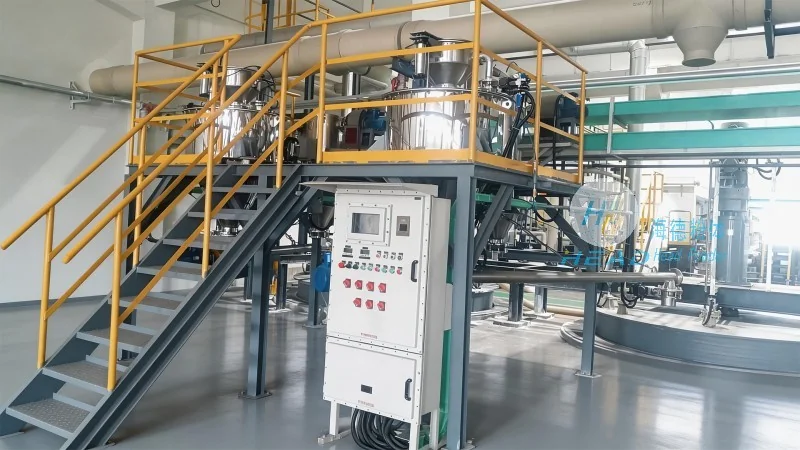
The pneumatic conveying system for denitrification urea consists of several key components, each playing a crucial role in the overall operation. These include the hopper or storage silo, which holds the urea; the conveyor line, which transports the material; the air compressor or vacuum pump, which provides the necessary pressure or vacuum; and the control system, which regulates the flow and pressure to maintain optimal performance. Additionally, components like rotary valves, filters, and dust collectors are integrated to ensure the system operates efficiently and safely, preventing material buildup and maintaining air quality.
Compared to traditional mechanical conveying methods, pneumatic conveying offers several advantages for denitrification urea transportation. These include reduced risk of material contamination, as the system is enclosed and sealed, preventing exposure to external elements. Additionally, pneumatic systems provide greater flexibility in terms of layout and routing, allowing for complex material flow paths without the need for extensive infrastructure modifications. The ability to handle varying material flow rates and maintain consistent pressure also contributes to improved process control and efficiency. Furthermore, the system's ability to transport denitrification urea over long distances with minimal loss or degradation makes it an ideal choice for industrial applications where reliability and performance are paramount.
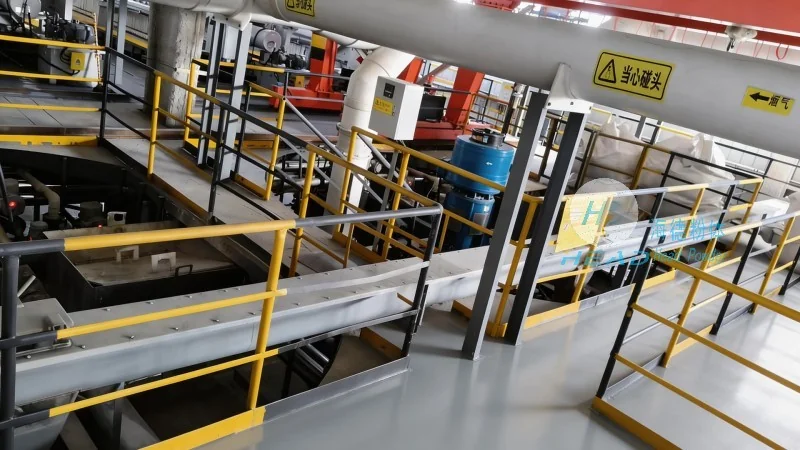
Pneumatic conveying systems for denitrification urea are widely used in various industrial sectors, including power generation, chemical manufacturing, and agricultural processing. In power plants, these systems are essential for transporting denitrification urea from storage to the selective catalytic reduction (SCR) system, where it is used to reduce nitrogen oxide emissions. The system's ability to handle large volumes of material at high speeds ensures that the SCR system operates continuously and efficiently, contributing to lower emissions and improved environmental compliance. In chemical manufacturing, the system is used to transport denitrification urea to reactors and processing units, where it is integrated into other chemical processes. Operational considerations, such as maintaining proper air pressure, regular maintenance of components, and monitoring material flow, are critical to ensuring the system's longevity and performance. Regular cleaning of filters and rotary valves, as well as checking for air leaks, helps prevent system downtime and ensures consistent operation.
Shandong HeadPowder Engineering Co., Ltd. is a leading provider of pneumatic conveying solutions for denitrification urea, leveraging advanced engineering and manufacturing capabilities to deliver reliable and efficient systems. With a focus on innovation and customer satisfaction, the company has established itself as a trusted partner in the industrial material handling sector. By combining expertise in material science, fluid dynamics, and system design, HeadPowder ensures that its pneumatic conveying systems meet the highest standards of performance and safety, supporting the needs of industries that rely on denitrification urea for environmental and operational efficiency.

 Shandong Headpowder Engineering Co., Ltd.
 156-6277-7102(Manager Zhang)
  0531-83386006
  Zhangqiu District, Jinan City, Shandong Province, China
telephone
WeChatconsult
top