With more than 10‑year industry experience, Shandong Headpowder delivers full‑service pneumatic‑conveying systems and blowers, undertaking nationwide turn‑key powder‑handling projects.
For industrial applications, efficient material handling is crucial, and pneumatic conveying systems have emerged as a versatile solution for transporting bulk materials like cement particles. This article provides an overview of cement particle pneumatic conveying, detailing the fundamental principles and operational mechanics of such systems.
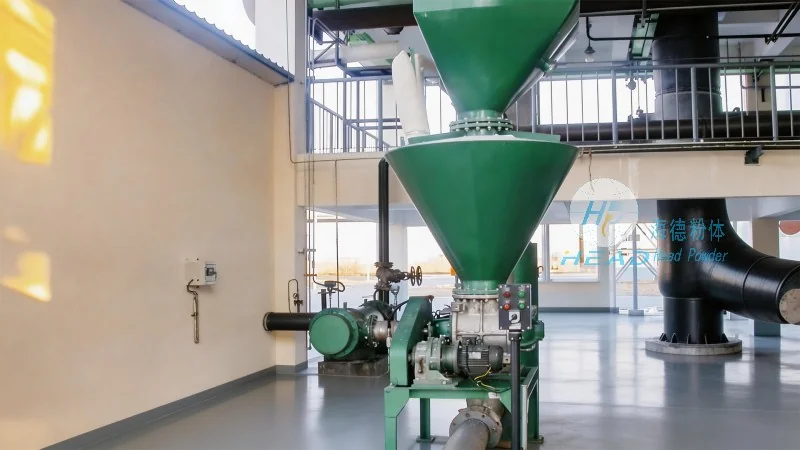
Pneumatic conveying systems utilize air or gas to transport solid materials through a pipeline network. In the context of cement particle handling, these systems are designed to move fine, abrasive particles with precision and minimal degradation. The core components typically include a feeding mechanism, a conveying line, a separation or collection unit, and a control system. The feeding device, often a rotary valve or a hopper with an airlock, ensures a consistent flow of cement particles into the system. The conveying line, usually made of stainless steel or other corrosion-resistant materials, is equipped with pressure vessels or cyclones to maintain the material's suspended state. The separation unit, such as a cyclone separator or a bag filter, captures the cement particles and directs them to the destination, while the control system regulates air pressure, flow rates, and other operational parameters to optimize performance.
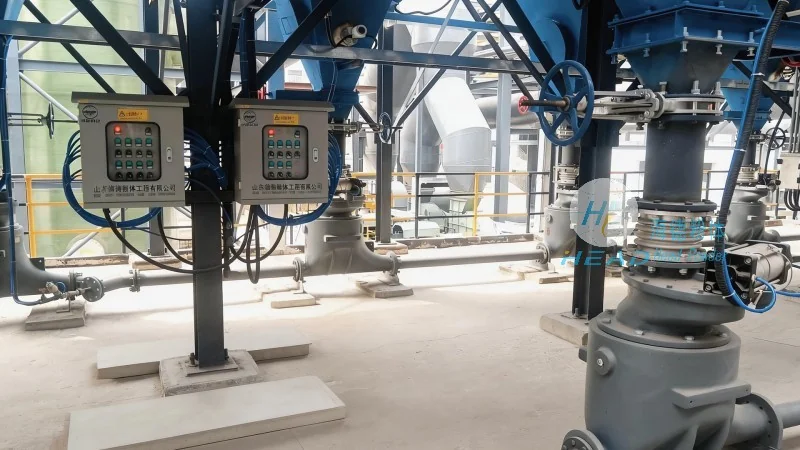
The operation of a cement particle pneumatic conveying system involves several key steps. Initially, the cement particles are fed into the system via a hopper or a feeder. Simultaneously, a high-pressure air stream is generated by a blower or a compressor. This air stream is introduced into the conveying line, creating a flow that lifts and transports the cement particles. The air and particles travel through the pipeline, with the air providing the necessary force to overcome gravity and friction. At the receiving end, a separation device, like a cyclone, uses centrifugal force to separate the cement particles from the air stream. The separated particles are then collected in a storage bin or a silo, while the air is either filtered and recirculated or vented to the atmosphere. The entire process is controlled by sensors and controllers that monitor pressure, flow, and particle concentration, ensuring stable and efficient operation.

Compared to traditional mechanical conveying methods, pneumatic conveying offers several advantages for cement particle transport. Firstly, it eliminates the need for mechanical components like belts or chains, reducing maintenance requirements and minimizing the risk of material contamination. Secondly, the system can handle fine and abrasive particles without causing wear or degradation, which is critical for cement, a material prone to dust and particle breakage. Thirdly, pneumatic conveying systems can operate in a closed environment, preventing dust emissions and ensuring compliance with environmental regulations. Additionally, these systems are flexible and can be easily integrated into existing industrial processes, allowing for adjustments in flow rates and system configurations as needed.
Pneumatic conveying systems are widely used in the cement industry for various applications, including raw material transport, finished product handling, and waste material removal. In raw material processing, these systems efficiently transport limestone, clay, and other raw materials from storage silos to the grinding mills. During the production of cement, pneumatic conveying is employed to move clinker from the kiln to the cement silos, ensuring a continuous and controlled flow. In addition, these systems are utilized for transporting cement from the factory to distribution centers, enabling seamless logistics operations. The ability to handle high volumes of material with minimal downtime makes pneumatic conveying an essential technology in modern cement manufacturing.
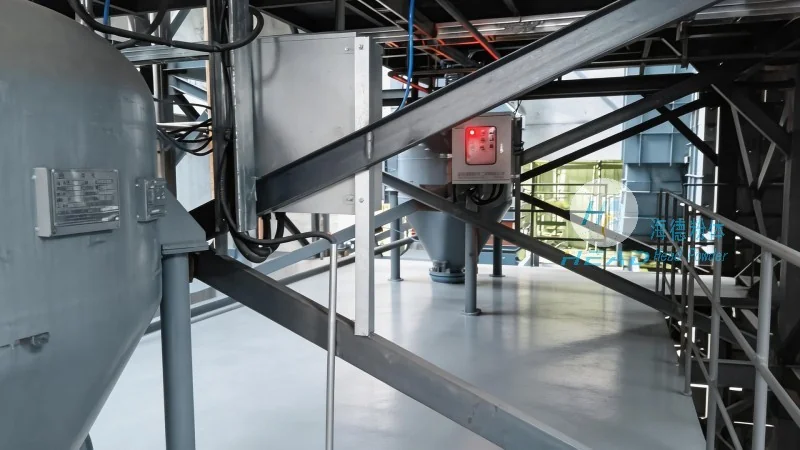
Shandong HeadPowder Engineering Co., Ltd., commonly known as HeadPowder, is a leading provider of pneumatic conveying solutions tailored for the cement industry. With a focus on innovation and quality, HeadPowder designs and manufactures customized systems that meet the specific needs of cement manufacturers. The company's expertise lies in developing efficient, reliable, and cost-effective pneumatic conveying systems that enhance productivity and ensure material integrity. HeadPowder's products are engineered to handle the unique challenges of cement particle handling, such as dust control, material abrasion, and system durability. By leveraging advanced technology and industry experience, HeadPowder delivers solutions that help cement companies optimize their material handling processes and improve overall operational efficiency.

 Shandong Headpowder Engineering Co., Ltd.
 156-6277-7102(Manager Zhang)
  0531-83386006
  Zhangqiu District, Jinan City, Shandong Province, China
telephone
WeChatconsult
top