With more than 10‑year industry experience, Shandong Headpowder delivers full‑service pneumatic‑conveying systems and blowers, undertaking nationwide turn‑key powder‑handling projects.
HeadPowder Engineering Co., Ltd., based in Shandong, China, specializes in the design and manufacturing of advanced dust-free loading stations equipped with pneumatic conveying systems for handling small bag materials. These systems are engineered to ensure efficient, clean, and safe material transfer in industrial applications, particularly in sectors requiring strict contamination control, such as pharmaceuticals, food processing, and chemical manufacturing.
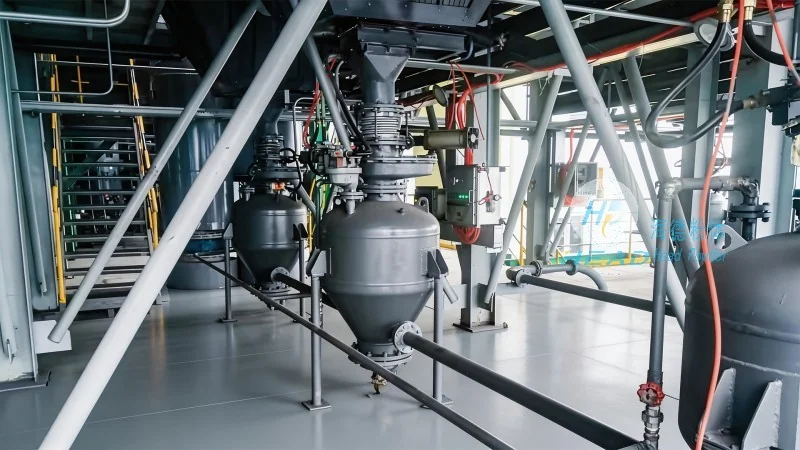
The dust-free loading station is a critical component in material handling operations, designed to receive bulk powders from small bags while maintaining a clean and controlled environment. The system integrates a pneumatic conveying mechanism that utilizes compressed air to transport materials from the bag to a storage silo or processing equipment. This approach eliminates the need for manual handling, reducing the risk of dust exposure and cross-contamination.
The pneumatic conveying equipment for small bag materials typically consists of several key components, each playing a vital role in the overall operation. These include the bag opening mechanism, airlock, conveyor line, and material collection hopper. The bag opening system is designed to safely and efficiently open the small bags without generating dust, often using a vacuum or air pressure to draw the material into the system. The airlock acts as a valve to control the flow of material and prevent backflow, ensuring a smooth and continuous transfer. The conveyor line, usually a flexible or rigid tube, transports the material from the bag to the processing equipment, while the material collection hopper stores the received powder before it is further processed.
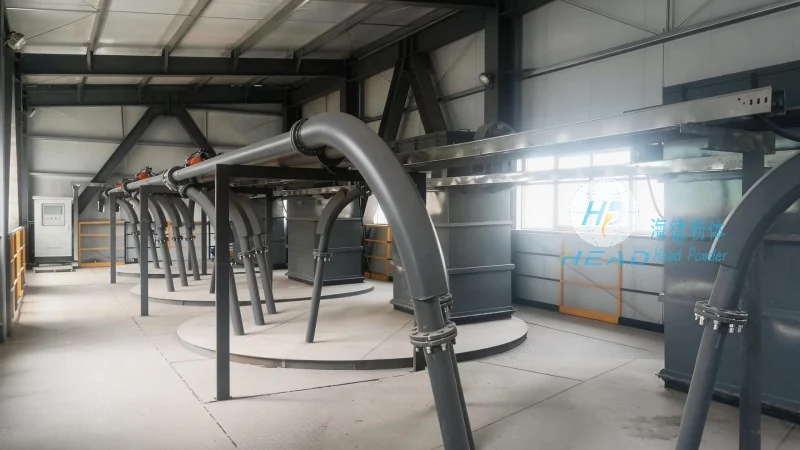
The operation of the dust-free loading station begins with the placement of a small bag containing the powder material into the designated opening area. The system then activates the bag opening mechanism, which may involve a vacuum or compressed air to draw the material from the bag into the conveying line. As the material is drawn, the airlock opens to allow the material to enter the conveyor. The compressed air, supplied by a dedicated air compressor, propels the material through the tube at a controlled velocity, ensuring efficient transport without causing excessive pressure or dust generation. The material is then deposited into the collection hopper, where it is stored until it is transferred to the next stage of processing. The entire process is automated, minimizing human intervention and maintaining a consistent flow rate and purity of the material.
The working principle of the pneumatic conveying system relies on the fundamental physics of fluid dynamics. Compressed air is introduced into the conveying line, creating a pressure differential that moves the powder particles along the tube. The air velocity is carefully controlled to ensure that the material is transported without causing particle degradation or excessive wear on the system components. The system may employ different conveying modes, such as dilute phase or dense phase, depending on the material characteristics and the required transfer distance. Dilute phase conveying uses lower air velocities and higher material concentrations, suitable for short distances and low to medium material flow rates. Dense phase conveying, on the other hand, uses higher air velocities and lower material concentrations, ideal for longer distances and higher flow rates, as it reduces the risk of clogging and ensures a more stable flow.
The integration of a dust-free loading station with a pneumatic conveying system offers several advantages over traditional material handling methods. Firstly, it significantly reduces dust exposure, enhancing workplace safety and compliance with environmental regulations. Secondly, it minimizes cross-contamination, which is critical in industries like pharmaceuticals and food processing where product purity is paramount. Thirdly, the automated operation improves efficiency and reduces labor costs, as the system can operate continuously without the need for manual handling. Additionally, the compact design of the equipment makes it suitable for installation in limited spaces, and the modular construction allows for easy maintenance and scalability. These benefits make the system a preferred choice for modern industrial applications requiring high standards of cleanliness and material integrity.
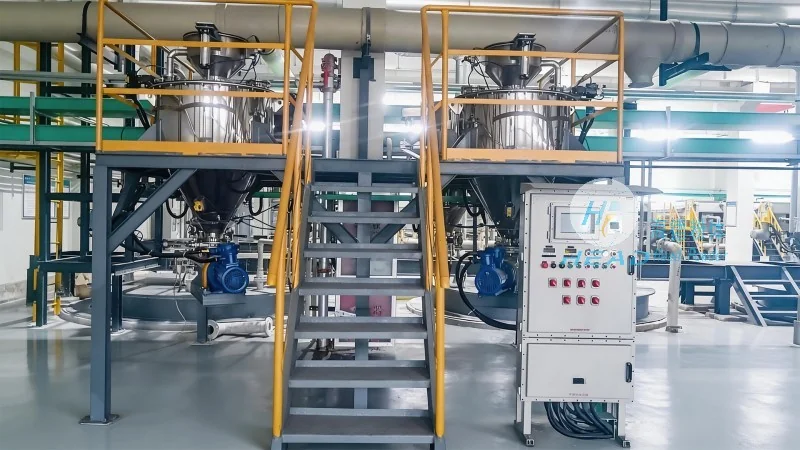
The dust-free loading station with pneumatic conveying is widely used in various industries that handle fine powders and granules. In the pharmaceutical industry, it is used to transfer active pharmaceutical ingredients (APIs) and excipients into processing equipment, ensuring that the materials remain sterile and free from contamination. In the food processing industry, it is employed to handle ingredients like flour, sugar, and spices, maintaining the quality and safety of the final products. The chemical industry also utilizes this system for transporting raw materials and intermediates, particularly in processes where dust control is essential to prevent explosions or fire hazards. Additionally, in the agricultural and mining sectors, the system is used for handling bulk materials such as fertilizers and minerals, improving the efficiency of material handling operations.
HeadPowder Engineering Co., Ltd. provides advanced dust-free loading stations equipped with pneumatic conveying systems that are designed to meet the demanding requirements of modern industrial applications. By combining efficient material handling with strict contamination control, these systems offer a reliable and cost-effective solution for transferring small bag materials. The operation process and working principle of the equipment ensure consistent performance, high material purity, and enhanced workplace safety. As industries continue to prioritize cleanliness and efficiency, the demand for such advanced material handling solutions is expected to grow, making the dust-free loading station with pneumatic conveying a vital component in the future of industrial operations.

 Shandong Headpowder Engineering Co., Ltd.
 156-6277-7102(Manager Zhang)
  0531-83386006
  Zhangqiu District, Jinan City, Shandong Province, China
telephone
WeChatconsult
top